


 English
  русский
  Español
Home / News / Industry News / Custom vs. Standard & Polyester vs. Cotton: A Technical Comparison of Fashion Personalized Shoelaces for Sneaker Culture and Branding

Industry News
Jun 17,2026
Custom vs. Standard & Polyester vs. Cotton: A Technical Comparison of Fashion Personalized Shoelaces for Sneaker Culture and Branding
Content
- 0.1 1. Introduction: The Rise of Shoelaces as a Fashion Statement
- 0.2 2. Defining Fashion Personalized Shoelaces
- 0.3 3. Comparison One: Custom Printed Shoelaces vs. Standard Solid Color Laces
- 0.4 4. Comparison Two: Polyester vs. Cotton vs. Poly-Cotton Blends
- 0.5 5. Printing Technologies for Personalized Shoelaces
- 0.6 6. Tensile Strength and Durability Requirements
- 0.7 7. Length and Width Selection for Different Shoe Types
- 0.8 8. Special Features: Reflective, Luminous, and Waterproof Laces
- 0.9 9. Applications Across Sneaker Culture and Branding
- 0.10 10. Sustainability in Fashion Personalized Shoelaces
- 0.11 11. Quality Testing and Standards
- 0.12 12. Conclusion: Matching the Lace to the Sneaker and the Statement
- 1 5 Frequently Asked Questions (FAQs)
- 2 References
1. Introduction: The Rise of Shoelaces as a Fashion Statement
Sneaker culture has evolved dramatically over the past two decades. What was once a niche community of collectors has become a global phenomenon worth billions of dollars. Limited edition releases, collaborations, and customizations drive hype and demand. In this ecosystem, every detail matters. The silhouette, the colorway, the materials, and even the laces contribute to the overall aesthetic and value.
Fashion personalized shoelaces have emerged as a critical accessory within sneaker culture. Enthusiasts swap out factory laces for custom colors, patterns, and materials to make their sneakers unique. Brands use custom laces to differentiate special editions and collaborations. The humble shoelace, once purely functional, has become a canvas for self expression and brand identity.
This article provides a comprehensive technical comparison of fashion personalized shoelaces across key parameters: custom versus standard laces, polyester versus cotton versus blended materials, printed versus woven designs, and functional features such as reflective or waterproof treatments. For sneaker enthusiasts, brand product developers, and procurement professionals, this guide serves as a reference for selecting the right shoelaces for different shoe types, style preferences, and performance requirements.
2. Defining Fashion Personalized Shoelaces
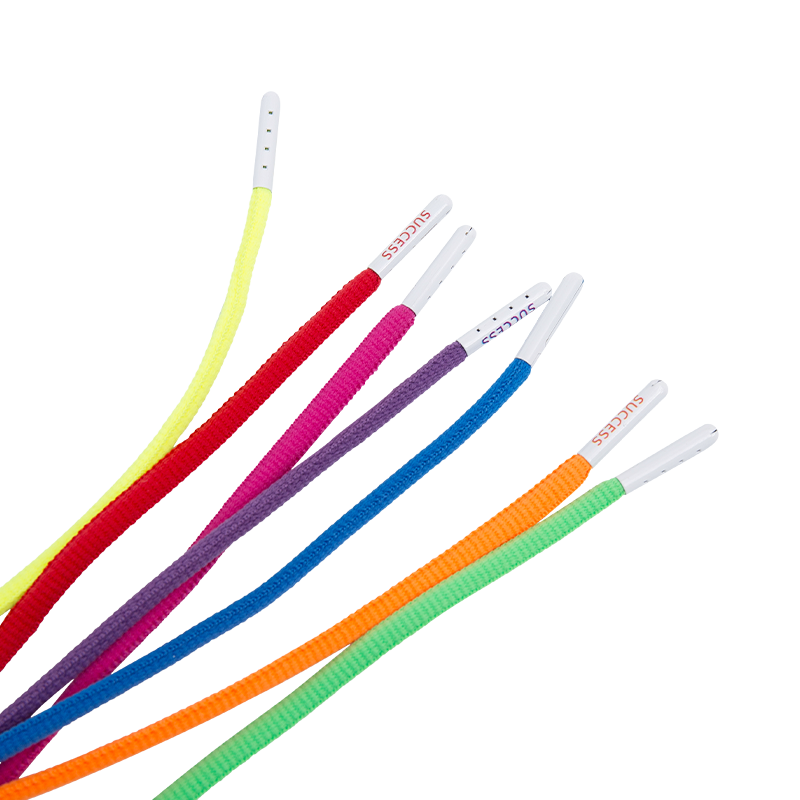
A shoelace is a narrow textile cord, typically 3 to 10 millimeters in width, used to secure a shoe around the foot. Fashion personalized shoelaces elevate this functional item into a design element through customized colors, patterns, materials, finishes, and even text or logos.
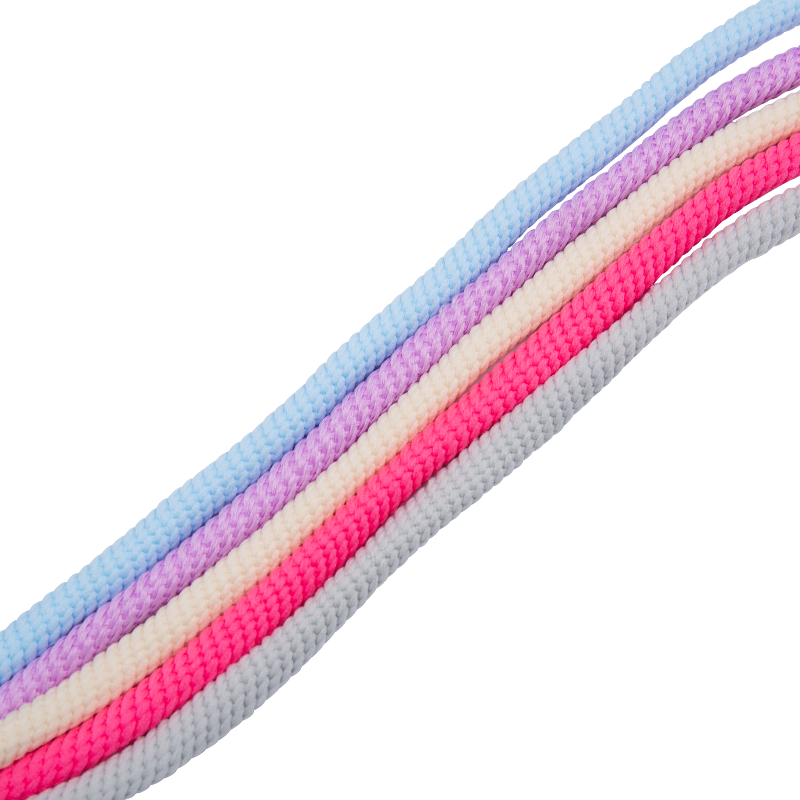
The basic construction of a shoelace includes the core and the sheath. The core provides tensile strength and resistance to stretching. The sheath provides the visible surface and the texture. High quality shoelaces have a braided construction where multiple yarns are interlocked, creating a durable, uniform surface.
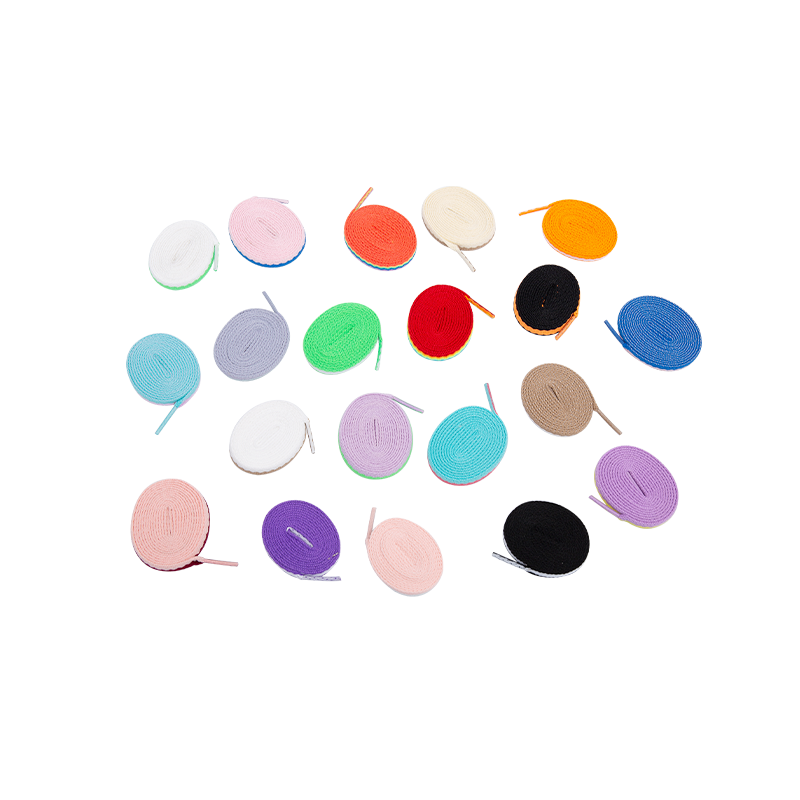
Standard shoelaces are mass produced in common colors such as white, black, brown, and navy. They are sold in standard lengths ranging from 60 centimeters for children shoes to 180 centimeters for high top boots. Standard laces serve the basic functional need at the lowest cost.
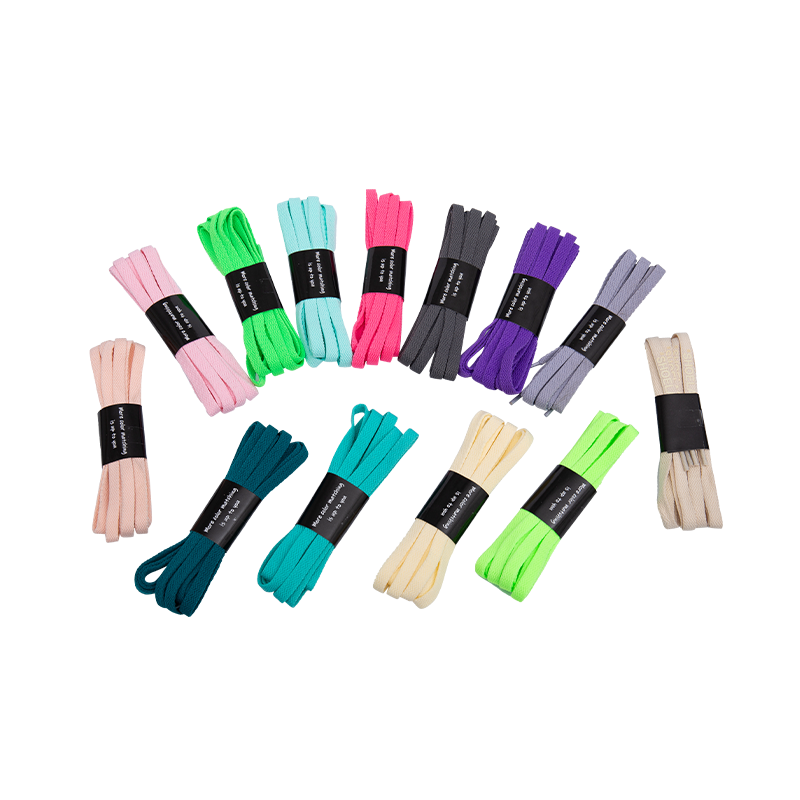
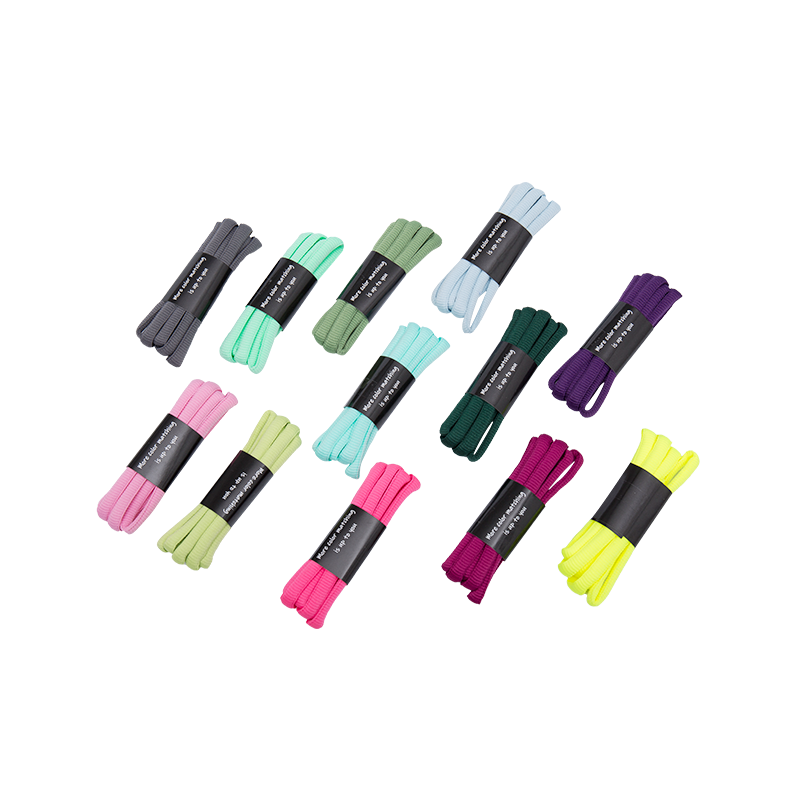
Fashion personalized shoelaces are produced to customer specifications. The buyer chooses the color from a wide palette, including Pantone matches. The buyer specifies the pattern, which may be stripes, geometric shapes, camouflage, tie dye, or custom printed logos. The buyer selects the material, such as 100 percent polyester, cotton, or poly cotton blends. The buyer may add text, such as a brand name or personal message, printed directly onto the lace.
When you select a Fashion Personalized Shoelaces, you are commissioning a product that combines the durability of industrial textile engineering with the creativity of graphic design.
3. Comparison One: Custom Printed Shoelaces vs. Standard Solid Color Laces
The most fundamental distinction in the shoelace market is between custom printed laces and standard solid color laces. Each serves different market segments and use cases.
Standard solid color laces are manufactured in high volumes and stocked in warehouses. They are available for immediate shipment. The cost per pair is low, typically $0.10 to $0.50 depending on material and quantity. The limitations are the restricted color palette and the absence of any pattern or branding. Standard laces are suitable for basic footwear where the lace is not a design feature.
Custom printed shoelaces are manufactured to order. The buyer provides artwork or selects from a library of patterns. The design is applied to the lace using a printing process, typically sublimation or screen printing. Custom laces require a production lead time of 2 to 6 weeks. The cost per pair is higher, typically $1.00 to $3.00 or more depending on complexity and quantity. Custom laces are suitable for sneaker enthusiasts seeking unique designs, for brands launching limited edition shoes, and for promotional products.
The table below compares custom printed and standard solid color shoelaces.
| Parameter | Custom Printed Shoelaces | Standard Solid Color Laces |
|---|---|---|
| Design Options | Unlimited patterns, gradients, logos, text | Limited to standard color palette |
| Brand Identity Integration | High logos and brand colors possible | None |
| Uniqueness | High exclusive designs | Low widely available |
| Minimum Order Quantity | Varies by manufacturer, often 100-500 pairs | None, sold as stock |
| Lead Time | 2 to 6 weeks | Immediate |
| Cost per Pair | Higher ($1.00-$3.00+) | Lower ($0.10-$0.50) |
| Best Application | Limited editions, sneaker customization, branding | Basic footwear, replacement laces |
For sneaker enthusiasts who want their shoes to stand out from the crowd, custom printed laces offer a low cost way to personalize expensive sneakers. For brands, custom laces transform a functional component into a marketing opportunity.
4. Comparison Two: Polyester vs. Cotton vs. Poly-Cotton Blends
The material of the shoelace affects durability, feel, washability, color retention, and environmental footprint. The three most common materials are polyester, cotton, and poly cotton blends.
Polyester is a synthetic fiber made from petroleum. It is strong, durable, resistant to stretching, and quick drying. Polyester laces hold their shape well and resist fraying. The material is hydrophobic, meaning it repels water, so polyester laces do not become heavy when wet. Polyester accepts dye well and retains color through repeated washing. The disadvantages of polyester are that it can feel slippery and may be less comfortable against the skin than cotton. From an environmental perspective, standard polyester is made from non renewable resources, though recycled polyester is increasingly available.
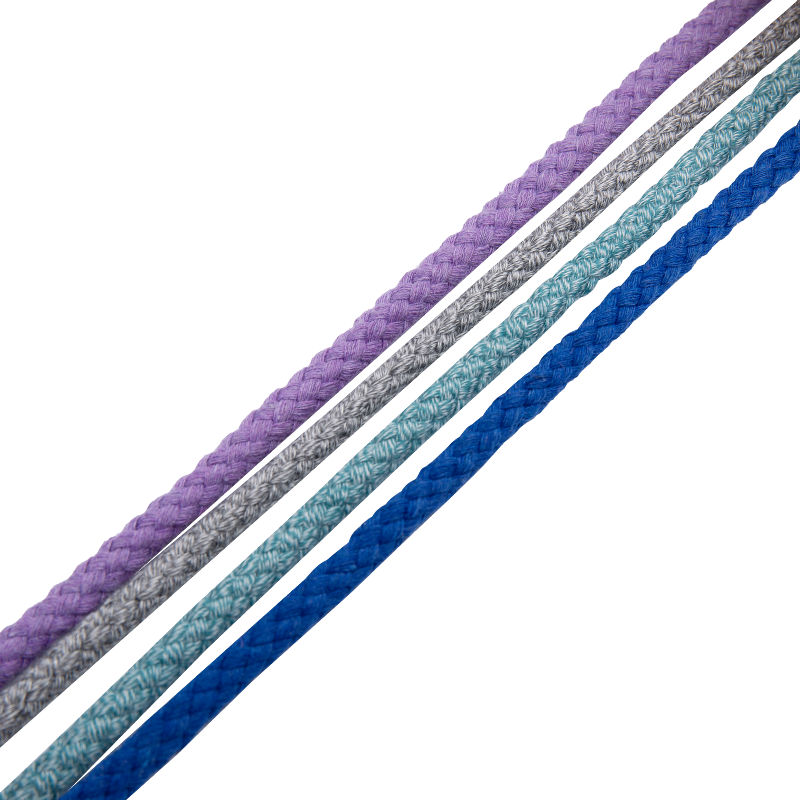
Cotton is a natural fiber grown from the cotton plant. It is soft, breathable, and comfortable against the skin. Cotton laces have a natural, casual appearance that many consumers prefer for lifestyle and fashion sneakers. The disadvantages of cotton are that it absorbs water, becoming heavy and slow drying. Cotton is less strong than polyester and may stretch or fray over time. Color retention is also poorer than polyester, with cotton laces fading more quickly with washing and sun exposure. Organic cotton laces offer a more sustainable option but at higher cost.
Poly cotton blends combine the advantages of both fibers. A typical blend is 60 percent polyester and 40 percent cotton. The polyester provides strength, durability, and color retention. The cotton provides softness and a natural hand feel. Poly cotton laces are a popular choice for fashion personalized shoelaces because they print well, hold their shape, and feel premium.
The table below compares polyester, cotton, and poly cotton blend shoelaces.
| Parameter | 100% Polyester | 100% Cotton | 60/40 Poly-Cotton |
|---|---|---|---|
| Tensile Strength | Very high | Moderate | High |
| Abrasion Resistance | Excellent | Good | Very good |
| Water Absorption | Very low hydrophobic | High absorbent | Moderate |
| Drying Speed | Very fast | Slow | Fast |
| Color Retention | Excellent | Moderate | Very good |
| Hand Feel | Smooth, can be slippery | Soft, natural | Soft, balanced |
| UV Resistance | Good | Poor, fades quickly | Good |
| Shrinkage | None | Moderate | Low |
| Environmental Impact | Petroleum based (recycled available) | Natural, water intensive | Mixed |
| Cost | Low to moderate | Moderate | Low to moderate |
| Best Application | Sport, outdoor, durable use | Casual, lifestyle, comfort | Fashion, all purpose |
For fashion personalized shoelaces intended for sneakers that will be worn frequently and may be washed, polyester or poly cotton blends are preferred. For a premium, natural aesthetic, cotton laces with a matte finish are appropriate.
5. Printing Technologies for Personalized Shoelaces
The visual impact of fashion personalized shoelaces depends on the printing technology used. Different methods offer different color capabilities, durability, and cost structures.
Sublimation printing is the most common method for all over patterns on polyester shoelaces. The design is printed onto a transfer paper using special sublimation inks. The paper is wrapped around the lace, and heat and pressure are applied. The ink turns into a gas and penetrates the polyester fibers. When cooled, the ink becomes solid again, locked inside the fiber. Sublimation produces vibrant, durable prints that do not crack or peel. The print becomes part of the lace. The limitation is that sublimation works only on polyester or high polyester content materials.
Screen printing applies ink through a mesh screen onto the lace. Each color requires a separate screen. Screen printing produces opaque, vibrant colors and works on cotton, polyester, and blends. The ink sits on the surface of the lace rather than penetrating the fiber. For large solid areas or simple designs, screen printing is cost effective. For complex multicolor designs, the cost of multiple screens can be high. Screen printed designs may crack or peel over time with repeated flexing and washing.
Digital direct printing uses inkjet technology to print directly onto the lace. No screens are required, making digital printing suitable for short runs and designs with many colors. The ink is absorbed into the lace fibers. Digital printing produces photographic quality images, including gradients and small text. The limitation is that digital printing is slower and more expensive per unit than screen printing for large quantities.
Heat transfer printing applies a design from a printed film onto the lace using heat and pressure. This method is used for small quantities or for adding logos to standard laces. The transfer may be less durable than sublimation or screen printing.
The table below compares printing technologies for fashion personalized shoelaces.
| Parameter | Sublimation | Screen Printing | Digital Direct | Heat Transfer |
|---|---|---|---|---|
| Best Material | 100% polyester | Cotton, poly, blends | Cotton, poly, blends | Most materials |
| Color Vibrancy | Excellent | Very good | Good | Good |
| Durability | Excellent | Good | Very good | Moderate |
| Photographic Detail | Good | Poor | Excellent | Good |
| Complex Patterns | Excellent | Poor | Excellent | Moderate |
| Minimum Order | Low | High | Low | Very low |
| Cost per Unit at Volume | Low | Very low | Moderate | High |
| Best Application | All over patterns | Simple designs, logos | Short runs, complex art | Samples, small batches |
For most fashion personalized shoelace applications, sublimation printing on polyester or poly cotton blend laces offers the best combination of vibrancy, durability, and cost for medium to large production runs.
6. Tensile Strength and Durability Requirements
Shoelaces serve a functional purpose beyond aesthetics. They must hold the shoe securely closed under tension without breaking, fraying, or stretching excessively.
Tensile strength is the maximum force a shoelace can withstand before breaking. For adult shoelaces, a typical tensile strength requirement is 50 to 150 newtons, or approximately 5 to 15 kilograms of force. The actual force applied during normal use is much lower, but safety factors account for pulling and tying tension.
Several factors affect tensile strength. The material is the primary factor. Polyester and nylon have higher tensile strength than cotton. The construction matters: braided laces are stronger than twisted or woven laces for the same thickness. The width affects strength: wider laces can incorporate more yarns and thus have higher strength.
Abrasion resistance is equally important for long term durability. Laces rub against the eyelets of the shoe with every step. Poor abrasion resistance leads to fraying, thinning, and eventual breakage. Polyester has excellent abrasion resistance. Cotton is weaker in this respect. Coated laces may show wear at the coating edges.
Elongation, or stretch, is another consideration. Some degree of stretch helps the lace conform to the shoe and the foot. Excessive stretch leads to loosening during wear. Polyester has low stretch, holding tension well. Cotton has moderate stretch. Nylon has high stretch, which is undesirable for most lace applications.
For fashion personalized shoelaces used on athletic or outdoor footwear, specify polyester material and request tensile strength test data from the manufacturer. For lifestyle sneakers where the lace is not load bearing, cotton or poly cotton blends are acceptable.
7. Length and Width Selection for Different Shoe Types
Selecting the correct length and width for fashion personalized shoelaces is essential for proper fit and appearance.
Length is determined by the number of eyelet pairs and the desired bow size. The table below provides general length guidelines.
| Number of Eyelet Pairs | Shoe Type | Recommended Lace Length |
|---|---|---|
| 2-3 pairs | Low top sneakers, children shoes | 60-80 cm (24-32 inches) |
| 4-5 pairs | Standard low top sneakers | 80-100 cm (32-40 inches) |
| 5-6 pairs | Mid top sneakers, casual shoes | 100-120 cm (40-48 inches) |
| 6-7 pairs | High top sneakers, boots | 120-140 cm (48-56 inches) |
| 7-8 pairs | Work boots, hiking boots | 140-180 cm (56-72 inches) |
Width affects both appearance and function. Narrow laces of 3 to 4 millimeters provide a sleek, minimal look suitable for dress shoes and low profile sneakers. Medium laces of 5 to 6 millimeters are the most common, providing good strength and a balanced appearance for most sneakers. Wide laces of 7 to 10 millimeters make a bold statement and are often used on skate shoes, chunky sneakers, and boots.
When ordering fashion personalized shoelaces, consider the eyelet size. Laces that are too wide will not pass through the eyelets. Laces that are too narrow will look disproportionate and may slip through the eyelets.
For personalized designs, the printable area is limited by the lace width. Narrow laces allow only small text or simple patterns. Wide laces provide a larger canvas for detailed designs, logos, or repeating patterns.
8. Special Features: Reflective, Luminous, and Waterproof Laces
Beyond color and pattern, fashion personalized shoelaces can incorporate special features that add functionality and novelty.
Reflective laces incorporate glass beads or prismatic elements that reflect light back to its source. When worn in low light conditions and illuminated by headlights or streetlights, the laces glow brightly. Reflective laces enhance visibility and safety for runners, cyclists, and anyone outdoors at night. The reflective effect can be applied to the entire lace or in patterns such as stripes or logos.
Luminous or glow in the dark laces contain phosphorescent pigments that absorb light energy and slowly release it as a green or blue glow. After charging under bright light, these laces glow for several hours in darkness. Luminous laces are popular for festival wear, club sneakers, and kids shoes.
Waterproof laces are treated with a durable water repellent finish that causes water to bead up and roll off. These laces do not become heavy when wet and resist staining from mud and dirt. Waterproof laces are ideal for outdoor boots, rain shoes, and any footwear exposed to wet conditions.
Anti fray laces have sealed or coated ends that prevent unraveling. High quality laces have aglets, the small plastic or metal tubes at the ends, that secure the yarn tips. For cotton laces, anti fray treatment extends life significantly.
Each special feature adds cost and may affect the printing process. Reflective and luminous effects are typically applied after printing. Waterproof treatments may be applied to the finished lace. Discuss options with the manufacturer during the design phase.
9. Applications Across Sneaker Culture and Branding
Fashion personalized shoelaces serve multiple communities and market segments within the broader sneaker ecosystem.
For individual sneaker enthusiasts, custom laces offer a low cost, high impact way to personalize expensive shoes. A pair of all white sneakers becomes unique with neon gradient laces. A classic black silhouette gains new life with custom printed patterns. Enthusiasts trade laces, share photos on social media, and build collections around rare and limited designs.
For sneaker brands, custom laces differentiate special editions and collaborations. A limited release sneaker with co branded laces commands higher resale value. The lace becomes part of the story and the provenance. Some brands offer interchangeable laces with their shoes, allowing the wearer to change the look.
For corporate merchandise and promotional products, printed laces with company logos or event names are distributed at trade shows, product launches, and community events. The laces are a subtle, wearable form of advertising that generates brand impressions.
For small businesses and independent designers, custom laces allow them to offer unique products without large inventory commitments. A sneaker customizer can offer laces that match their aesthetic. A streetwear brand can create laces that coordinate with their apparel collections.
For special events such as weddings, team sports, and charity runs, personalized laces with names, dates, or messages add a personal touch to footwear.
10. Sustainability in Fashion Personalized Shoelaces
Environmental responsibility is increasingly important to consumers, including sneaker enthusiasts. Sustainable options for fashion personalized shoelaces are becoming more available.
Recycled polyester, or rPET, is made from post consumer plastic bottles. The bottles are cleaned, shredded, melted, and extruded into new polyester fiber. Rpet laces have the same performance characteristics as virgin polyester but use less petroleum and divert waste from landfills. Many manufacturers now offer rPET laces as a standard option.
Organic cotton laces are grown without synthetic pesticides or fertilizers. Organic cotton farming uses less water and maintains soil health. Organic cotton laces have a soft, natural hand feel and appeal to eco conscious consumers.
Natural dyes derived from plants, minerals, and other renewable sources are replacing synthetic dyes in some production. Natural dyes reduce the chemical load of the dyeing process. The color palette is more limited, and color fastness may be lower, but the environmental benefit is significant.
Water based inks for screen printing and digital printing contain fewer volatile organic compounds than solvent based inks. For fashion personalized shoelaces, specify water based inks to reduce environmental impact.
Biodegradable laces are under development but not yet widely available. Most synthetic laces persist in the environment for decades. Cotton and other natural fiber laces biodegrade under the right conditions.
When sourcing fashion personalized shoelaces, ask about recycled content options, organic materials, and eco friendly inks. Communicate sustainable features to consumers who value environmental responsibility.
11. Quality Testing and Standards
Quality fashion personalized shoelaces should meet established standards for strength, color fastness, and safety.
Tensile strength testing measures the force required to break the lace. For adult shoelaces, a breaking strength of 50 newtons is typical. For heavy duty applications, 100 newtons or higher may be specified.
Abrasion testing simulates the rubbing of the lace against eyelets. The lace is rubbed against a standard abrasive surface for a specified number of cycles. The number of cycles to failure indicates abrasion resistance.
Color fastness to washing tests whether the printed design fades or bleeds after laundering. The lace is washed in standard detergent at a specified temperature, then evaluated for color change and staining of adjacent fabrics.
Color fastness to light tests resistance to fading from UV exposure. The lace is exposed to a xenon arc lamp that simulates sunlight, then evaluated for color change.
Safety testing ensures that the lace does not contain harmful chemicals. OEKO TEX Standard 100 certifies that the product is free from substances prohibited or regulated by the standard.
When ordering fashion personalized shoelaces, request test reports from the manufacturer. A reputable supplier will have in house testing or third party certification.
12. Conclusion: Matching the Lace to the Sneaker and the Statement
The selection of fashion personalized shoelaces is an exercise in balancing aesthetics, performance, cost, and sustainability.
For the sneaker enthusiast seeking maximum visual impact, choose sublimation printed polyester laces in bold patterns or gradients. The vibrant, durable print will stand out and last through many wears. Consider special features such as reflective or luminous effects for added novelty.
For the brand developing limited edition sneakers, choose custom printed poly cotton blend laces with the brand logo and coordinating colors. The premium hand feel and good durability align with the brand positioning. Work with the manufacturer to develop exclusive patterns that cannot be copied.
For the corporate promotional product, choose screen printed polyester laces with a simple logo. The low cost and fast production support large volume giveaways. Use standard lengths and widths to hold inventory costs down.
For the eco conscious consumer, specify recycled polyester or organic cotton laces with water based inks. Communicate the sustainable features on the product packaging.
For the functional application such as outdoor boots or athletic shoes, choose polyester laces with high tensile strength and abrasion resistance. Add reflective elements for safety. Select lengths and widths appropriate for the shoe type.
By understanding the technical differences and performance characteristics presented in this article, sneaker enthusiasts, product developers, and procurement professionals can confidently select the right fashion personalized shoelaces for their needs, ensuring that every detail contributes to the perfect sneaker experience.
5 Frequently Asked Questions (FAQs)
Q1: What material is best for fashion personalized shoelaces?
A: For most applications, 100 percent polyester offers the best combination of durability, color retention, and printing quality. Polyester laces hold their shape, resist fraying, dry quickly, and accept vibrant sublimation prints. For a softer, more natural feel, choose a poly cotton blend (60/40) or 100 percent cotton. For sustainability, select recycled polyester (rPET) or organic cotton. For heavy duty applications such as work boots or outdoor footwear, polyester is strongly recommended.
Q2: How do I choose the correct length for my shoelaces?
A: Count the number of eyelet pairs on your shoe. For low top sneakers with 4-5 pairs, use 80-100 cm (32-40 inches). For mid top sneakers with 5-6 pairs, use 100-120 cm (40-48 inches). For high top sneakers with 6-7 pairs, use 120-140 cm (48-56 inches). For boots with 7-8 pairs, use 140-180 cm (56-72 inches). When in doubt, order longer laces; excess length can be hidden in the bow, but short laces cannot be fixed.
Q3: Can I wash sneakers with personalized printed laces?
A: Yes, but follow care instructions. Sublimation printed polyester laces are highly washable and can be machine washed in cold water. Screen printed laces may crack over time with repeated washing. Hand washing is gentler for all printed laces. Do not bleach. Air dry rather than machine drying, as high heat can damage some prints and shrink cotton laces. For best results, remove laces before washing the shoes.
Q4: What is the minimum order quantity for custom printed shoelaces?
A: Minimum order quantities vary by manufacturer and printing method. For sublimation printing on polyester laces, some manufacturers offer low minimums of 100 to 500 pairs. For screen printing, minimums are typically higher, 1,000 to 5,000 pairs, due to screen setup costs. Digital direct printing can produce as few as 10 to 50 pairs but at higher per unit cost. Ask your supplier about their minimums for your specific design.
Q5: Are fashion personalized shoelaces available in environmentally friendly materials?
A: Yes. Recycled polyester (rPET) laces made from post consumer plastic bottles are widely available. Organic cotton laces are also offered by some manufacturers. Look for certifications such as GRS (Global Recycled Standard) for recycled content or GOTS (Global Organic Textile Standard) for organic cotton. Water based inks for printing reduce chemical impact. Ask your supplier about their sustainable product lines.
References
- Jiangyin City Baihong Weaving Band Co., Ltd. (2024). Fashion Personalized Shoelaces Material and Printing Specifications.
- Jiangyin City Baihong Weaving Band Co., Ltd. (2024). Shoelaces Industry Knowledge Publication.
- OEKO TEX Association. (2024). OEKO TEX Standard 100 Certified Product List.
- Textile Exchange. (2023). Preferred Fiber and Materials Market Report.
- ASTM International. (2020). ASTM D4964 Standard Test Method for Tension and Elongation of Elastic Fabrics.
- Jiangyin City Baihong Weaving Band Co., Ltd. (2024). Tensile Strength and Abrasion Testing Data for Shoelaces.
- Global Recycled Standard. (2021). GRS Certification Requirements and Environmental Benefits.
- Jiangyin City Baihong Weaving Band Co., Ltd. (2024). Custom Shoelace Length and Width Selection Guide.
News categories

Over the years, we have been providing high-quality, safe and reliable products for the clothing and footwear industries.
- Quick Links
- Contact Information
-
-
 NO.137-1 Chenglu Road, Huashi Town, Jiangyin City214421, Jiangsu, China
 -
 +86 138-0616-9220
 -
 Lhbhzd@126.com
bh@jyribbon.com
sales2@jyribbon.com
-
- Mobile QR Code

