Content
In the vast and diverse world of textile components, few materials are as universally essential and frequently overlooked as plain and flat cotton webbing. This simple, woven strip of fabric serves as the quiet workhorse behind countless products we use daily, from the sturdy handles of a favorite tote bag to the reliable waistband of a pair of trousers and the critical straps of outdoor gear. Among the various types of cotton webbing available, those featuring plain and flat weaves represent the foundational standard, offering an unmatched combination of versatility, reliability, and cost-effectiveness. This article provides a comprehensive technical analysis of Plain and Flat Cotton Webbing, exploring its construction, performance characteristics, manufacturing applications, and the critical distinctions between its various weave densities. For manufacturers and designers seeking dependable, high-quality materials for their products, understanding the nuances of this webbing is essential for making informed sourcing decisions.
Before delving into the specific characteristics of plain and flat weaves, it is important to establish a clear understanding of cotton webbing itself. Plain and flat cotton webbing, also known as cotton belting, is a flat, tightly woven strip of fabric made from cotton yarns. Its woven structure gives the material considerable strength and durability, making it suitable for a wide range of functional and decorative applications.
Compared to webbing made from synthetic fibers such as nylon or polypropylene, plain and flat cotton webbing is distinguished by its softer hand, superior breathability, and more matte, natural appearance. These characteristics make it easier to sew and more comfortable against the skin, which is a significant advantage in garments and accessories. However, it is worth noting that cotton webbing is generally not as strong as its synthetic counterparts and is prone to absorbing water, which can limit its suitability for heavy-duty or outdoor applications where moisture resistance is paramount.
The quality of plain and flat cotton webbing is determined by several factors, including the grade of the cotton yarn, the tightness of the weave, and the finishing processes applied. High-quality cotton webbing, such as that produced by specialized manufacturers, often undergoes rigorous testing for color fastness, washing fastness, and tensile strength to ensure it meets international standards. For instance, reputable manufacturers typically test their products for colorfastness to light, washing, rubbing, and perspiration, using standardized methods like Xenon arc light testing.
The defining characteristic of Plain and Flat Cotton Webbing lies in the weave structure. While the fundamental plain weave is the simplest and most common, variations in density and yarn thickness create distinct sub-categories, each with unique performance attributes.
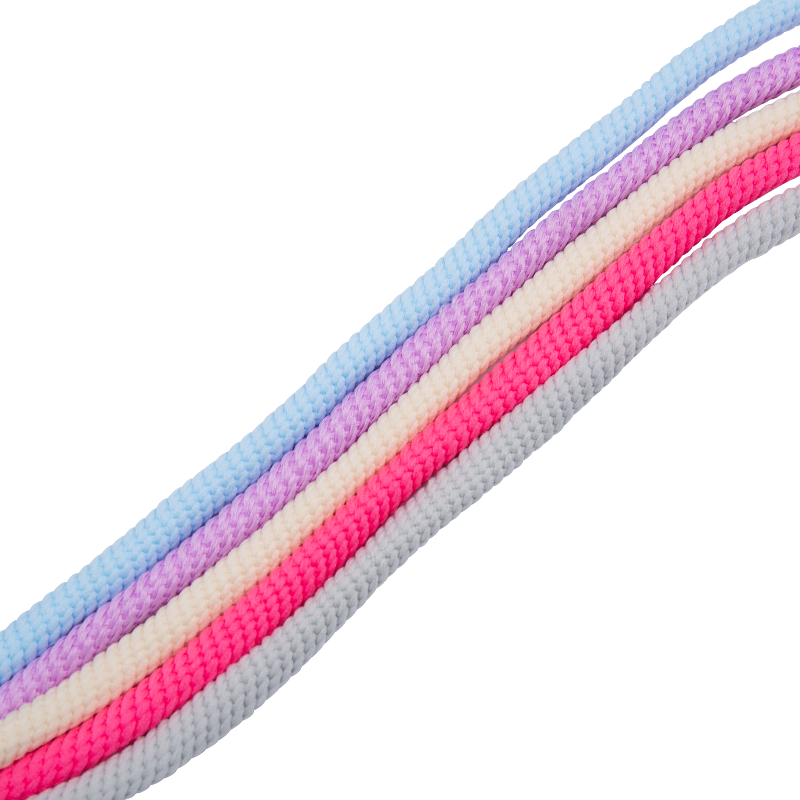
A fine plain weave is characterized by a dense, tight construction where the warp and weft threads are closely packed together. This creates a fabric surface that is smooth, uniform, and visually appealing. In the context of webbing, the fine plain weave provides several critical advantages. The high density of the weave makes the fabric stronger and more durable, with excellent resistance to abrasion. It also offers a clean, crisp appearance that is ideal for applications where aesthetics are important, such as visible bag handles and decorative trim. Furthermore, the tight weave gives the webbing a smooth surface that takes dye evenly, resulting in vibrant, consistent colors.
Due to its strength and visual appeal, fine plain weave cotton webbing is widely used in products requiring both durability and a polished look. It is a top choice for bag straps, belts, and other visible components where quality and appearance matter. Its uniform surface also makes it an excellent substrate for printing and embellishment, offering endless customization possibilities for branding and design.
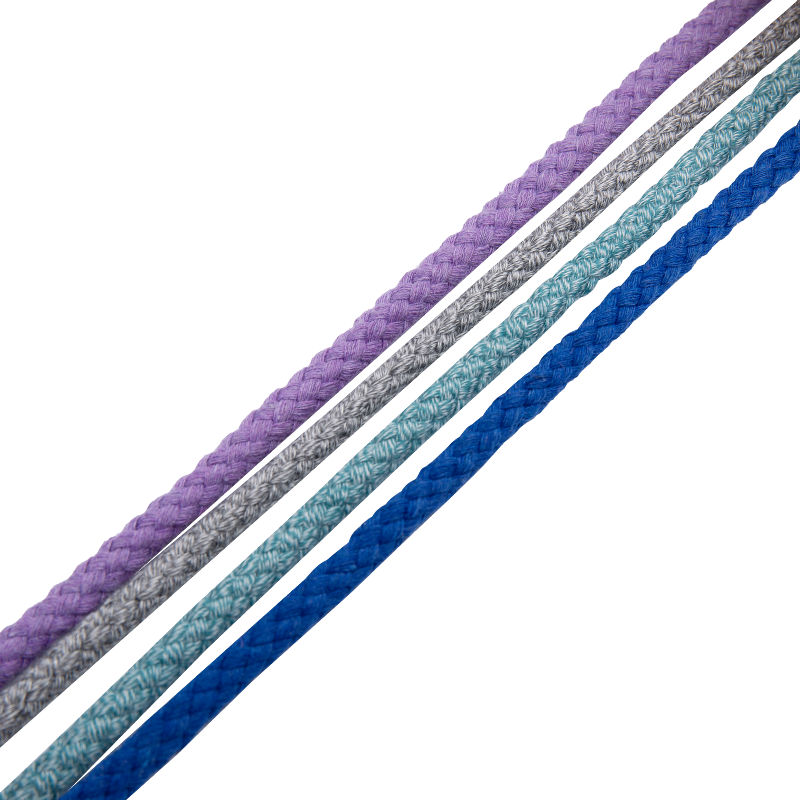
Coarse plain weave, in contrast, uses thicker yarns and a looser construction, resulting in a more textured and rugged fabric. This weave style is characterized by its strong wear resistance and high load-bearing capacity. The thicker yarns and open structure provide excellent strength and flexibility, making it suitable for applications that demand high performance under stress.
In webbing, the coarse plain weave is the preferred choice for heavy-duty industrial uses, outdoor equipment, and sports products. It is commonly found in climbing straps, cargo tie-downs, and heavy-duty beltings where strength and durability are the primary concerns. While it may not have the same refined appearance as a fine weave, its superior load-bearing capacity and resistance to abrasion make it indispensable in demanding environments.
Sparse plain weave, also known as open weave, is characterized by a loose construction with visible gaps between the yarns. This produces a lightweight, airy fabric that is less dense and more flexible than its fine and coarse counterparts. In webbing, the sparse plain weave is relatively light and suitable for lightweight daily necessities and decorative purposes.
This type of webbing is often used in applications where weight and flexibility are more important than strength, such as lightweight garment accessories, decorative trims, and craft projects. Its open structure also gives it a unique visual texture that can be desirable for certain design aesthetics. It is less durable than fine or coarse weaves but offers advantages in applications where minimal weight and maximum flexibility are required.
While all types of plain and flat cotton webbing share the advantages of cotton as a material and the simplicity of a plain weave structure, they differ in key aspects that influence their suitability for various applications. The following table provides a direct comparison to guide manufacturers in selecting the appropriate webbing for their specific needs.
| Feature | Fine Plain Weave | Coarse Plain Weave | Sparse Plain Weave |
|---|---|---|---|
| Weave Density | High - tight and uniform | Medium - textured and rugged | Low - open and airy |
| Primary Advantage | Strength and aesthetic appeal | High wear resistance and load-bearing capacity | Lightweight and flexible |
| Ideal Applications | Bag straps, belts, visible components, decorative trim, printing substrates | Industrial uses, outdoor equipment, climbing straps, cargo tie-downs, heavy-duty beltings | Lightweight garment accessories, decorative trims, craft projects |
| Surface Appearance | Smooth, uniform, and polished | Textured and rugged | Open, airy, and lightweight |
| Durability | High | Very high | Moderate |
| Flexibility | Good | Excellent | Very high |
| Cost Consideration | Moderate | Moderate to high | Lower |
The choice between fine, coarse, and sparse plain cotton webbing ultimately depends on the specific requirements of the end product. If the primary need is for a strong, visually appealing material with a polished look, fine plain weave webbing is the ideal choice. For heavy-duty applications requiring maximum strength and wear resistance, coarse plain weave webbing is the preferred option. And for lightweight, flexible applications where minimal weight is critical, sparse plain weave webbing offers the best solution.
The applications for plain and flat cotton webbing are extensive, spanning multiple industries from fashion and accessories to home décor and crafts.
In the fashion industry, plain and flat cotton webbing is indispensable. It is used for waistbands in trousers and skirts, providing a sturdy yet comfortable foundation. It serves as the structural core for belts, suspenders, and garters. In bag manufacturing, cotton webbing is the material of choice for durable, comfortable handles and straps for totes, handbags, backpacks, and messenger bags. Fine plain weave webbing, with its smooth and polished appearance, is particularly favored for high-end fashion accessories where the detail is visible and contributes to the perceived quality of the item.
The versatility of plain and flat cotton webbing extends into the home. It is widely used in upholstery, as tie-backs for curtains, as trim on cushions and throws, and in the creation of durable, stylish rugs. The DIY and crafting community has also embraced cotton webbing for a myriad of projects, including gift wrapping, scrapbooking, and as a base for personalized embellishments. The smooth surface of fine plain webbing makes it an excellent base for painting, stamping, and embroidery, while the rugged texture of coarse webbing adds a touch of rustic charm to craft projects.
Coarse plain weave cotton webbing finds extensive use in industrial and outdoor applications. Its high strength and wear resistance make it suitable for climbing straps, cargo tie-downs, heavy-duty beltings, and equipment straps. Its natural cotton composition also offers advantages in applications where static electricity is a concern, as cotton is a natural insulator and does not generate static charge as synthetic materials can.
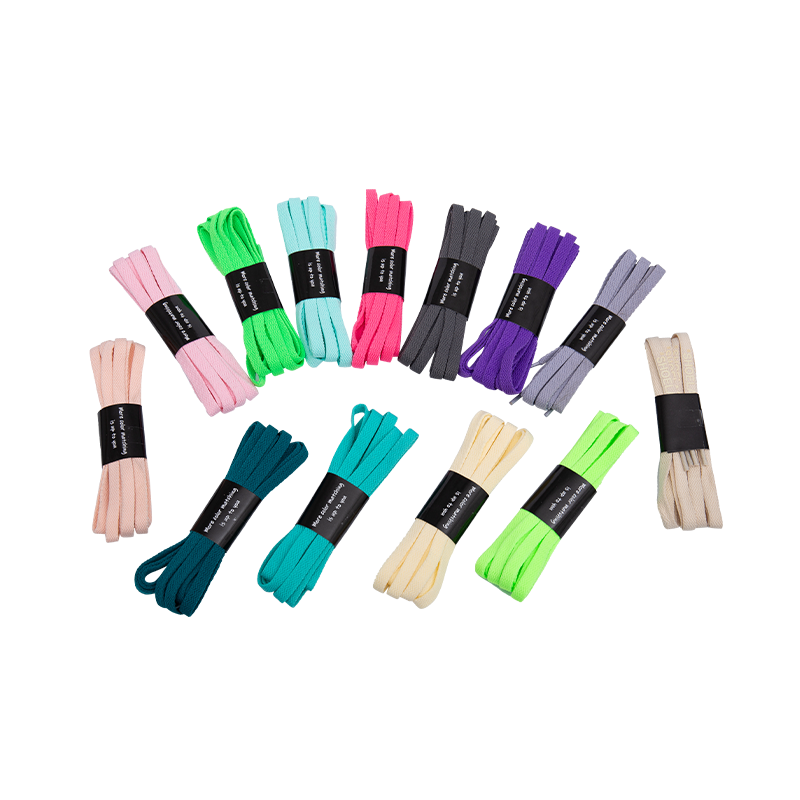
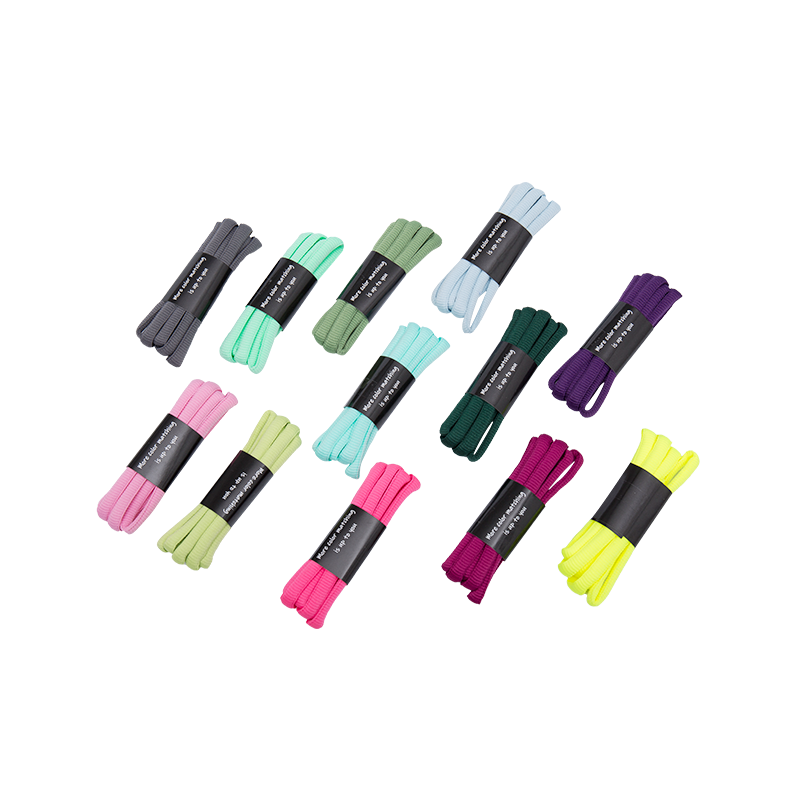
A significant advantage for manufacturers is the ability to customize plain and flat cotton webbing. Suppliers often offer a wide range of colors and the capacity for custom design to match specific brand requirements. This can include weaving with specific colored yarns to create brand-aligned patterns, or producing webbing in bespoke widths to fit unique product designs. The ability to provide lab dips for color approval ensures that the final product meets the exact color specifications of the buyer, which is crucial for maintaining brand consistency across product lines. For companies looking to differentiate their products, investing in custom, high-quality plain or flat cotton webbing is a strategic decision.
To explore the full potential of these versatile materials and view available options, you can visit the product page for Plain/Flat Cotton Webbing.
For businesses involved in international trade and manufacturing, sourcing plain and flat cotton webbing from a reliable supplier is paramount. Exporters should prioritize suppliers with a proven track record, such as those with established credentials like OEKO-TEX certification, which ensures the product is free from harmful substances. The location of the manufacturer can also be a logistical advantage; for instance, suppliers based in regions with convenient access to major shipping ports can offer more efficient delivery and lower freight costs.
Key quality parameters to consider when evaluating plain and flat cotton webbing include:
Plain and flat cotton webbing represent the perfect intersection of traditional craftsmanship and modern functionality. As a material, cotton offers a sustainable, biodegradable, and comfortable alternative to synthetic fibers, aligning with the growing consumer demand for eco-friendly products. The weave variations, whether the dense uniformity of fine weave, the rugged texture of coarse weave, or the lightweight flexibility of sparse weave, provide a range of options to suit diverse applications.
For manufacturers in the apparel, accessories, home décor, and industrial sectors, understanding the subtle yet significant differences between fine, coarse, and sparse plain weaves is essential for informed material selection. By choosing high-quality plain and flat cotton webbing from a reputable supplier, businesses can ensure their products meet the highest standards of quality, durability, and style. Whether used as a robust functional component or as a refined decorative detail, this classic material continues to prove its worth in the global textile industry.
Fine plain weave has a high density, tight construction, offering strength and a smooth, polished appearance. Coarse plain weave uses thicker yarns and a looser construction, providing high wear resistance and load-bearing capacity. Sparse plain weave has a low density, open construction, making it lightweight and flexible.
Coarse plain weave cotton webbing is suitable for heavy-duty applications due to its high strength and wear resistance. However, cotton webbing is generally not recommended for prolonged outdoor use in wet conditions, as it tends to absorb water, which can lead to rot and weakening over time.
Fine plain weave cotton webbing is frequently used in fashion and accessories for visible bag straps, handles, belts, and waistbands. It is also popular in home décor for decorative trim and as a substrate for printing and embellishment.
Cotton is a natural, renewable, and biodegradable fiber. When sourced responsibly, it has a lower environmental impact compared to synthetic, petroleum-based fibers. Cotton webbing is also durable, promoting longevity and reducing waste.
Yes, many manufacturers offer extensive customization options for plain cotton webbing. This includes a wide range of standard colors, custom colors (often with lab dip services for approval), custom widths, and the ability to weave specific patterns or incorporate branding elements.
1. Amazon.it. (2026). 45m Cotton Webbing, 20mm Bias Tape, Plain Cotton Webbing. Retrieved from Amazon product listing.
2. Amazon UK. (2026). NBEADS 45 m/Roll of Plain Cotton Webbing. Retrieved from Amazon product listing.
3. Amazon UK. (2026). Wonninek 36Colors Cotton Plain Webbing. Retrieved from Amazon product listing.
4. Amazon.it. (2026). 50 m White Cotton Webbing, Plain Ribbon. Retrieved from Amazon product listing.
5. WAWAK. (2026). Cotton Belting and Cotton Webbing Straps. Retrieved from WAWAK product catalog.
6. IndiaMART. (2026). Cotton Tape Product Description. Retrieved from IndiaMART supplier directory.
7. Trivantage. (2026). Cotton Webbing. Retrieved from Trivantage product catalog.
8. Textile Institute. (2023). Plain Weave Structures in Narrow Fabrics. Journal of the Textile Institute, 114(5), 712-725.
9. University of Vermont. (2001). SCA-GARB Archives: Fabrics (Plain, Twill, and Satin). UVM Textile Research Archive.
10. F. Schumacher and Co. (2023). Textiles 101: What Is Plain Weave? Schumacher Textile Education Series.
11. Ask Andy About Clothes. (2009). When to Wear Plain or Textured Fabrics. Ask Andy About Clothes Forum Archives.
12. IndiaMART. (2026). Cotton Webbings Product Details. Retrieved from IndiaMART supplier directory.