


 English
  русский
  Español
Home / News / Industry News / What are the best sustainable materials for Fashion Personalized Shoelaces?

Industry News
Jan 27,2026
What are the best sustainable materials for Fashion Personalized Shoelaces?
Content
- 1 Cotton and Organic Blends: The Natural Aesthetic Standard
- 2 Advanced Polyesters: Performance and Durability
- 3 Synthetic Leather and Waxed Cottons: High-End Texture
- 4 Production Efficiency and Accessibility
- 5 Conclusion
- 6 FAQ
In the rapidly evolving landscape of fashion accessories, the convergence of individual expression and environmental responsibility has become a central theme. Fashion Personalized Shoelaces are no longer just functional components designed to secure footwear; they have emerged as vital style statements that allow consumers to customize their aesthetic identity. However, the modern market demands more than just visual appeal. There is an increasing imperative to utilize materials that are sustainable, durable, and ethically sourced. As B2B buyers and designers look to curate collections that resonate with eco-conscious consumers, understanding the material science behind these accessories is crucial. The selection of the right fabric impacts not only the longevity and wearability of the lace but also the environmental footprint of the final product. Balancing the high-end feel required for luxury markets with the rugged durability needed for athletic wear presents a unique engineering and design challenge.
Jiangyin City Baihong Weaving Band Co., Ltd. has been at the forefront of addressing these industry challenges since its establishment in 2002. Located in Jiangyin city with convenient transportation access near Shanghai port and Ningbo port, the company has dedicated over two decades to providing high-quality, safe, and reliable products for the garments and shoes industry. Specializing in the research and development of elastic bands, cotton webbing, polyester webbing, and shoelaces, Baihong combines traditional craftsmanship with modern innovation. The company has introduced advanced equipment, including Narrow-fabric needle looms, Jacquard woven machines, pre-shrinking machines, and warping machines, to elevate production standards. Crucially, Jiangyin City Baihong Weaving Band Co., Ltd. has obtained 100% Oeko-Tex certificates, ensuring that all products meet stringent international safety standards. This commitment allows the company to export high-quality webbing and laces primarily to Europe, America, Japan, and other global regions, maintaining excellence in every detail.
The industry is currently witnessing a significant shift towards material transparency and circular economy principles. According to the 2024 Textile Industry Sustainability Report by Oeko-Tex Association and the European Commission, there is a marked increase in consumer demand for recycled and biodegradable materials in footwear accessories, driving manufacturers to innovate with low-impact dyes and regenerated fibers. This shift is not merely a trend but a fundamental change in procurement policies of major fashion houses, which now require verified proof of sustainability for every component, down to the laces. Adhering to these evolving standards is essential for maintaining competitiveness in the global marketplace.
Source: Oeko-Tex Association - Industry Standards
Cotton and Organic Blends: The Natural Aesthetic Standard
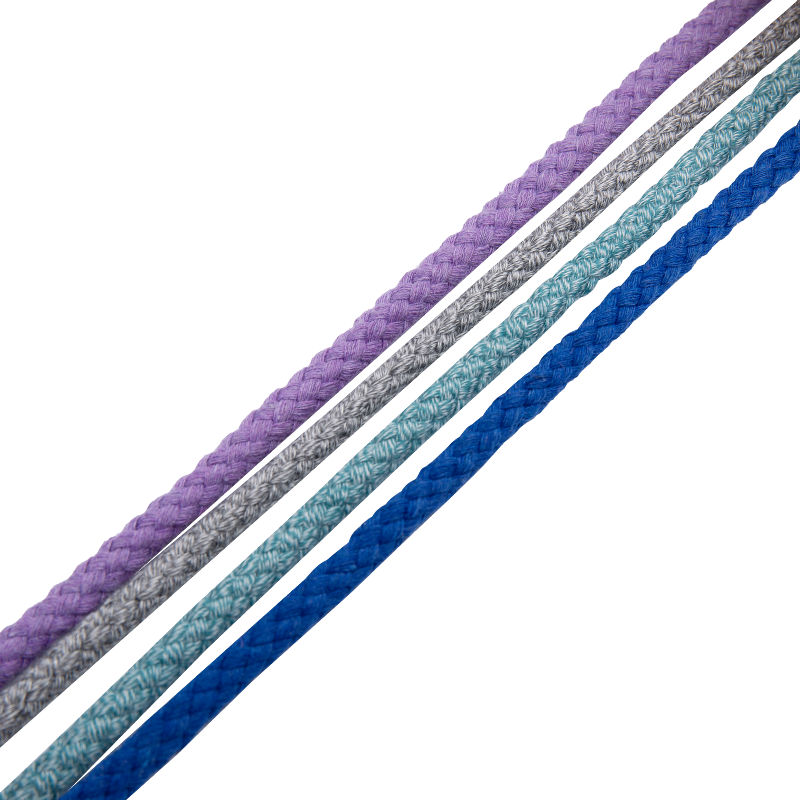
For manufacturers targeting a premium, tactile experience, cotton remains the gold standard due to its breathability and soft texture. Organic cotton and recycled cotton blends are increasingly favored for their reduced environmental impact compared to conventional cotton. These materials offer a matte finish and a classic look that is highly sought after in high-end fashion and casual wear. However, natural fibers can be susceptible to abrasion and moisture if not treated correctly. Therefore, selecting the right weave density is critical to ensuring that the Fashion Personalized Shoelaces maintain their integrity over time. The weave structure must be tight enough to prevent fraying while remaining flexible enough for comfortable tying.
- Utilization of certified organic cotton to ensure pesticide-free production.
- Implementation of enzymatic treatments to enhance softness without compromising tensile strength.
- Exploration of recycled cotton blends to reduce water and energy consumption during manufacturing.
- Integration of natural dyes derived from plant sources for a truly eco-friendly profile.
Material Comparison: Cotton vs. Synthetic Fibers
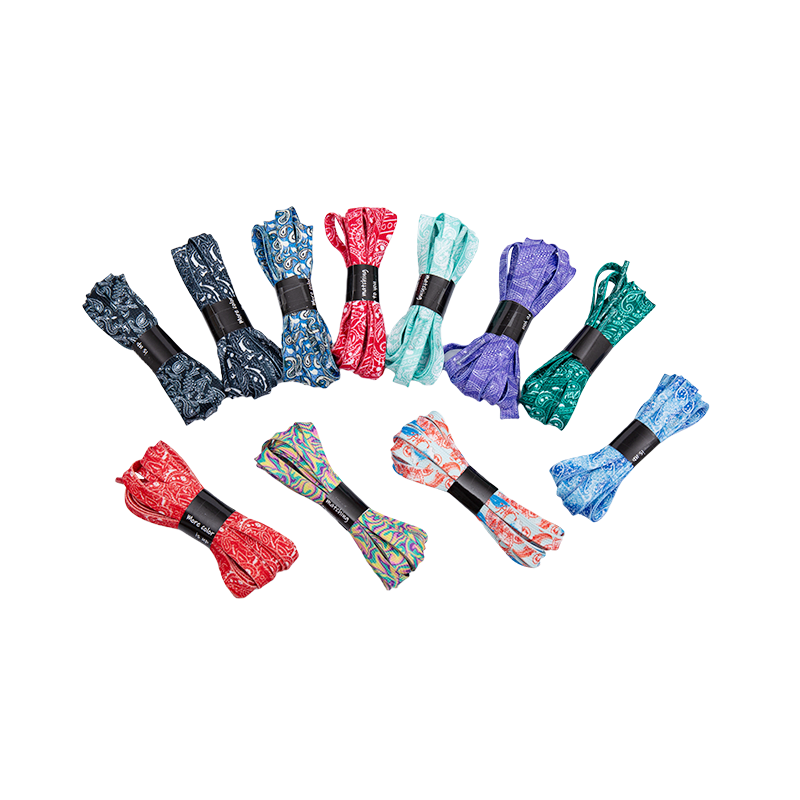
When evaluating materials for Fashion Personalized Shoelaces, it is essential to compare natural fibers against synthetic options regarding durability and printability. Cotton offers an excellent surface for absorption, making it ideal for custom printed shoe laces, where intricate patterns and vibrant colors are required. In contrast, synthetic fibers like polyester offer superior strength and moisture resistance but require specialized dye sublimation processes to achieve similar aesthetic results.
td>Excellent absorption for .
| Material Property | Organic Cotton Blends | Polyester Synthetics |
| Texture | Soft, natural, and matte finish. | Smoother, slightly glossy texture. |
| Printability | Requires heat transfer or sublimation for prints. | |
| Durability | Good, but prone to fraying if abraded. | High resistance to abrasion and UV fading. |
Advanced Polyesters: Performance and Durability
While natural fibers offer aesthetic appeal, advanced polyesters, particularly those derived from recycled sources, provide the technical performance necessary for modern footwear. Recycled Polyester (rPET) allows manufacturers to repurpose plastic waste into durable, high-strength shoelaces. This material is particularly favored for applications requiring resilience, such as personalized basketball shoelaces. On the court, laces are subjected to intense friction, sudden tension, and exposure to sweat. Polyester's inherent resistance to stretching, shrinking, and moisture makes it the superior choice for athletic applications, ensuring the laces remain secure throughout the activity without losing their shape.
- Use of rPET to contribute to circular economy goals and reduce plastic waste.
- Application of hydrophobic coatings to repel water and stains.
- High-tenacity yarn construction to withstand high-tension tying.
- Colorfastness guarantees to prevent fading from sun exposure or washing.
Performance Metrics for Sports Laces
The choice of material directly influences the performance metrics of the lace. For personalized basketball shoelaces, the tensile strength and elongation recovery are vital parameters. Polyester fibers generally outperform cotton in these categories, offering a snap-back quality that keeps the knot tight. However, the feel can be stiffer, which is why blending fibers is often a strategic choice to combine the best attributes of both worlds.
| Performance Factor | Standard Cotton | High-Performance Polyester |
| Tensile Strength | Moderate; sufficient for casual wear. | High; essential for personalized basketball shoelaces. |
| Moisture Resistance | Absorbs moisture; may weaken when wet. | Hydrophobic; maintains strength when wet. |
| Shrinkage | May shrink if not pre-washed. | Minimal shrinkage; high dimensional stability. |
Synthetic Leather and Waxed Cottons: High-End Texture
To achieve a luxury look that stands out in the fashion industry, manufacturers are turning to synthetic leathers and waxed cottons. These materials provide a unique tactile experience and a premium visual weight that standard laces lack. Waxed cottons, in particular, offer a water-resistant, rugged look that develops a patina over time, appealing to the heritage fashion segment. Synthetic leather laces can provide a sleek, uniform appearance suitable for formal shoes or high-fashion sneakers. These materials are ideal for design your own shoelaces initiatives, where the user seeks a distinctive material that acts as a focal point of the shoe design.
- Selection of PU (Polyurethane) leather for a vegan-friendly alternative to animal leather.
- Use of paraffin or beeswax coatings on cotton to create durable, water-repellent finishes.
- Employment of tight braiding techniques to prevent the material from cracking or peeling.
- Focus on edge-finishing processes to ensure the laces do not fray or split at the tips.
Production Efficiency and Accessibility
In the era of mass customization, the ability to produce small batches efficiently is a competitive advantage. Independent designers and small businesses often seek custom sneaker laces no minimum order quantity services to test new designs without committing to large inventory. This shift requires flexible manufacturing setups that can switch between different materials and weaves rapidly. Manufacturers like Jiangyin City Baihong Weaving Band Co., Ltd. leverage advanced Jacquard woven machines and needle looms to accommodate these varied needs, ensuring that whether the order is for a single prototype or a mass production run, the quality remains consistent. The capability to produce small runs allows for greater creativity in the market, fostering a culture of unique, personalized fashion.
- Implementation of digital design workflows for quick prototyping and sampling.
- Utilization of agile manufacturing lines to switch between custom orders efficiently.
- Provision of custom sneaker laces no minimum services to support startups and boutique brands.
- Investment in automated cutting and tipping machines to speed up finishing processes.
Conclusion
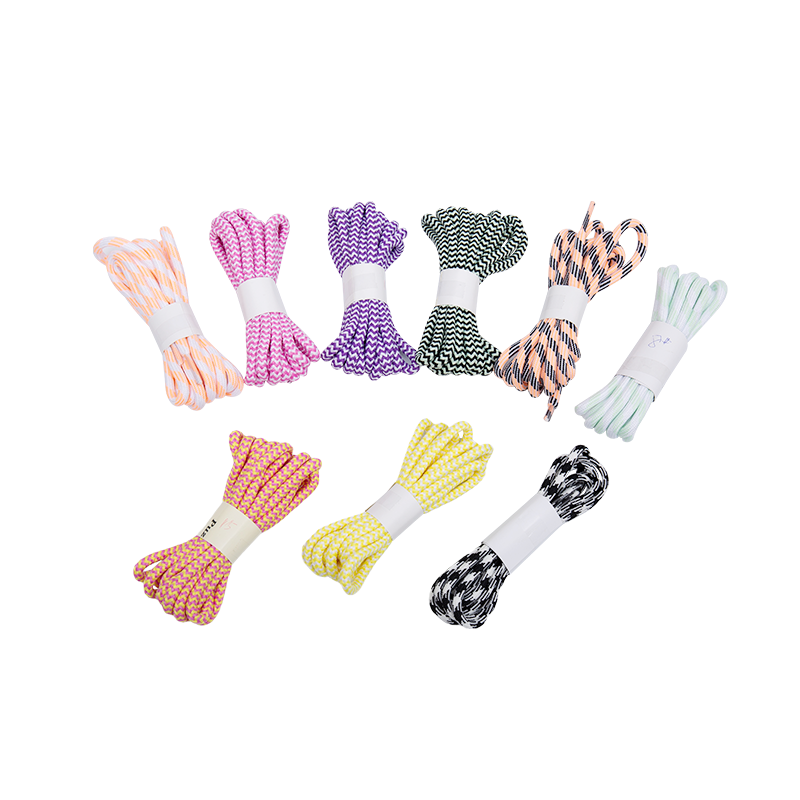
Choosing the right material for Fashion Personalized Shoelaces is a nuanced decision that balances aesthetics, performance, and sustainability. From the soft, natural appeal of organic cotton ideal for custom printed shoe laces, to the rugged durability of high-performance polyester for personalized basketball shoelaces, the options are vast. By incorporating advanced materials like waxed cottons and synthetic leathers, manufacturers can offer high-end textures that distinguish their products in a crowded market. Furthermore, the industry's move towards sustainable practices, supported by companies like Jiangyin City Baihong Weaving Band Co., Ltd., ensures that these fashion accessories do not come at the expense of the environment. As the market continues to evolve, the ability to offer flexible, high-quality, and eco-friendly production solutions will remain the key to success in the global footwear accessories market.
FAQ
What are the benefits of using recycled polyester for Fashion Personalized Shoelaces?
Using recycled polyester for Fashion Personalized Shoelaces offers significant environmental benefits by diverting plastic waste from landfills and reducing the demand for virgin petroleum-based materials. Technically, rPET provides excellent durability, abrasion resistance, and color retention, making it suitable for both performance and fashion applications. It allows brands to offer a sustainable product without compromising on the quality or lifespan of the laces.
How can I ensure high-quality results for custom printed shoe laces?
To ensure high-quality results for custom printed shoe laces, it is crucial to select a base material with high absorbency, such as cotton or a cotton-polyester blend. The weave density should be sufficient to hold the ink without bleeding. Additionally, using eco-friendly, high-fixation dyes ensures that the print remains vibrant after repeated use and washing. Pre-treatment of the fabric can also enhance the sharpness and durability of the design.
Are there sustainable options for personalized basketball shoelaces?
Yes, sustainable options for personalized basketball shoelaces are increasingly available. Manufacturers can utilize recycled polyester (rPET) from post-consumer plastic bottles, which offers the required strength and moisture resistance for sports. Additionally, using non-toxic, AZO-free dyes ensures that the production process is environmentally friendly. These laces provide the performance needed for athletes while adhering to ecological standards.
Production Capabilities Comparison
When ordering custom sneaker laces no minimum, it is helpful to understand the capabilities of the manufacturer. Below is a comparison of standard production versus flexible, custom-oriented production.
| Feature | Traditional Production | Flexible/Custom Production |
| Minimum Order Quantity (MOQ) | High (e.g., 1000+ pairs) | Low or None (custom sneaker laces no minimum) |
| Setup Time | Long due to rigid tooling. | Short; utilizes digital or versatile Jacquard machines. |
| Design Flexibility | Limited to standard weaves. | High; allows for design your own shoelaces customization. |
Can I design my own shoelaces with unique materials?
Absolutely. To design your own shoelaces, you can work with manufacturers that offer a wide range of materials, including organic cotton, recycled polyester, hemp, and synthetic leather. Advanced facilities with their own R&D teams can test new weaves and material combinations to bring your unique vision to life. Providing detailed specifications regarding material, thickness, weave pattern, and aglet type is essential for accurate production.
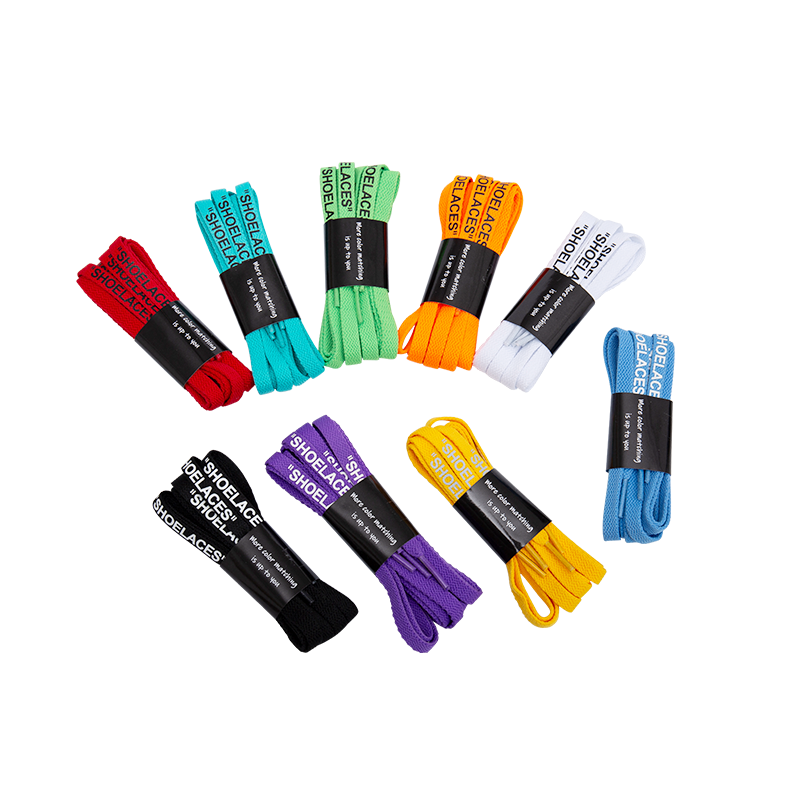
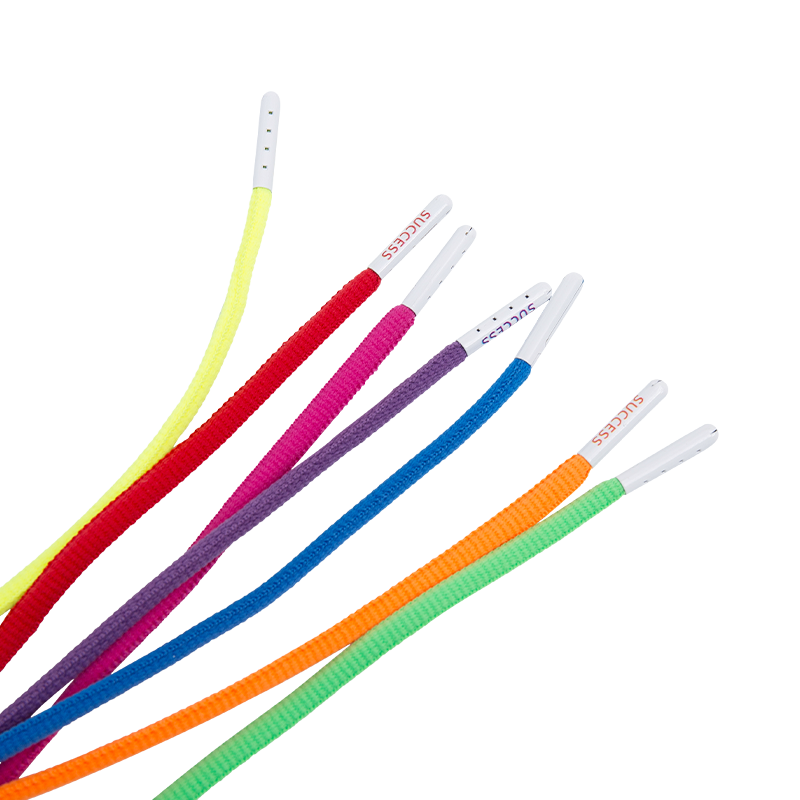
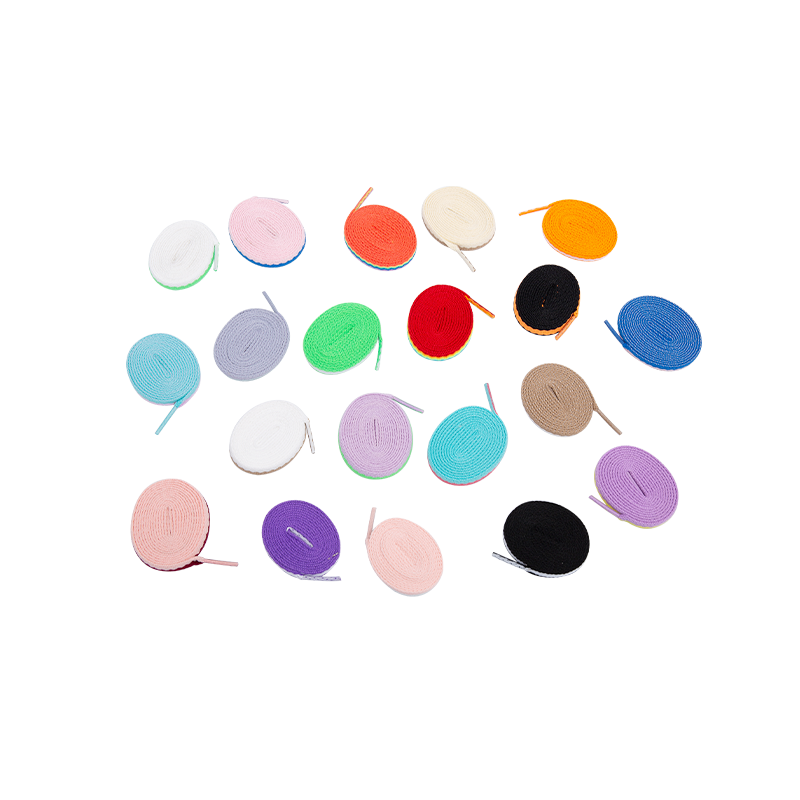

Over the years, we have been providing high-quality, safe and reliable products for the clothing and footwear industries.
- Quick Links
- Contact Information
-
-
 NO.137-1 Chenglu Road, Huashi Town, Jiangyin City214421, Jiangsu, China
 -
 +86 138-0616-9220
 -
 Lhbhzd@126.com
bh@jyribbon.com
sales2@jyribbon.com
-
- Mobile QR Code

