


 English
  русский
  Español
Industry News
Feb 16,2026
What is Herringbone Cotton Webbing?
Content
- 1 The Definitive Guide to Herringbone Cotton Webbing
- 1.1 1. Unmatched Durability for Demanding Projects: Heavy Duty Herringbone Cotton Webbing
- 1.2 2. Crafting Comfort & Style: Herringbone Cotton Webbing for Bag Straps
- 1.3 3. Practicality Meets Quality: The Advantage of Washable Herringbone Cotton Webbing
- 1.4 4. Buying Flexibility: Understanding Herringbone Cotton Webbing by the Yard
- 1.5 5. The Natural Aesthetic: Embracing Natural Color Herringbone Cotton Webbing
- 2 FAQ
In the diverse world of textile components, few materials combine aesthetic appeal, structural integrity, and versatile functionality as effectively as herringbone cotton webbing. Characterized by its distinctive V-shaped weaving pattern reminiscent of a fish skeleton, this webbing is more than just a strip of fabric; it is a fundamental building block for designers, manufacturers, and crafters across numerous industries. From providing the comfortable yet sturdy shoulder strap on a favorite tote bag to serving as durable reinforcement in industrial applications, herringbone webbing's unique construction offers a balance of flexibility and strength that plain weaves often cannot match. Its textured surface not only adds visual interest and a premium, tactile feel but also enhances the fabric's grip and durability. For businesses in apparel, luggage, pet products, outdoor gear, and home furnishings, selecting the right type of herringbone webbing is a critical decision that impacts product quality, user experience, and brand perception. This comprehensive guide delves into the specific variants that address common needs, such as heavy duty herringbone cotton webbing for demanding tasks and washable herringbone cotton webbing for practical longevity. We will explore its primary uses, including as the ideal herringbone cotton webbing for bag straps, the flexibility of purchasing it herringbone cotton webbing by the yard, and the eco-chic appeal of natural color herringbone cotton webbing. Understanding these facets will empower you to make an informed choice for your next project, ensuring both performance and style are seamlessly woven together.
The Definitive Guide to Herringbone Cotton Webbing
The enduring popularity of herringbone cotton webbing is no accident; it is the direct result of its superior engineering and adaptable nature. Unlike standard plain or twill weaves, the herringbone pattern creates a denser, more resilient fabric structure that resists stretching and fraying more effectively. This makes it exceptionally reliable for applications bearing weight or experiencing friction. For manufacturers and brands committed to quality, this webbing represents a component that upholds product integrity over time. Its natural cotton composition offers breathability and comfort against the skin, a crucial factor for wearable items like bag straps or harnesses. Furthermore, the weaving technique allows for a remarkable range of customization in terms of width, thickness, and color integration, making it a versatile choice for both functional and decorative purposes. From the initial design phase to the final product assembly, understanding the full spectrum of herringbone webbing's capabilities is essential for leveraging its benefits to the fullest, ensuring your products stand out in a competitive market through enhanced durability and refined detail.
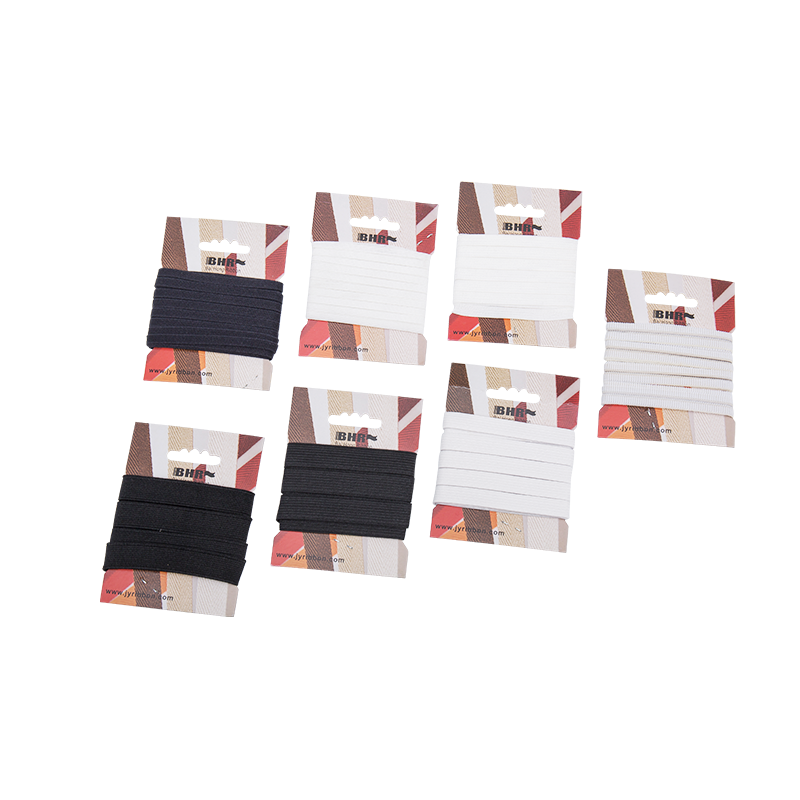
1. Unmatched Durability for Demanding Projects: Heavy Duty Herringbone Cotton Webbing
When a project demands exceptional strength and resilience, not all webbing is created equal. Heavy duty herringbone cotton webbing is specifically engineered to withstand significant stress, weight, and repetitive use. The "heavy-duty" designation typically refers to webbing with a higher weight per yard (often measured in ounces), a denser, tighter herringbone weave, and sometimes a thicker overall profile. This construction translates to superior tensile strength, meaning it can bear heavier loads without stretching or breaking, and enhanced abrasion resistance, allowing it to endure friction without excessive wear. This type of webbing is indispensable for applications where safety and longevity are paramount. It is the go-to choice for load-bearing straps in outdoor gear like backpacks and camping equipment, for reinforced handles on heavy-duty duffel bags or tool bags, and in pet products like leashes and harnesses where control and durability are essential. Choosing a heavy-duty variant ensures that the webbing will perform as a reliable structural component, not just a decorative trim.
- Key Features: High tensile strength, superior abrasion resistance, minimal stretch, and a robust, substantial feel.
- Ideal Applications: Backpack straps, tool bag handles, dog leashes, climbing gear (non-life-critical), and industrial tie-downs (light-duty).
- Selection Tip: Always check the weight specification (e.g., oz/yd) and width to ensure it matches the load requirements of your application.
| Webbing Type | Typical Weight | Best For | Not Recommended For |
| Standard Herringbone | Lighter | Decorative trim, lightweight bag handles | Heavy load-bearing |
| Heavy Duty Herringbone | Heavier (e.g., 10+ oz/yd) | Backpack straps, tool bags, pet gear | Delicate apparel or accessories |
2. Crafting Comfort & Style: Herringbone Cotton Webbing for Bag Straps
The strap is often the most interacted-with part of a bag, making its comfort and durability critical to user satisfaction. Herringbone cotton webbing for bag straps has become a gold standard for designers seeking a blend of ergonomic comfort, visual texture, and reliable strength. The herringbone pattern provides a slightly textured surface that helps prevent the strap from slipping off the shoulder, while the inherent flexibility and breathability of cotton make it comfortable to wear for extended periods, unlike some synthetic alternatives that can chafe or feel stiff. The weave's natural diagonal lines add a classic, sophisticated detail that elevates the bag's overall aesthetic, suitable for everything from casual market totes to high-end designer handbags. When selecting webbing for this purpose, considerations extend beyond mere strength to include width (for weight distribution), softness of finish, and colorfastness to ensure the strap remains a proud feature of the bag throughout its life.
- Why It Works: The textured pattern increases grip, cotton is breathable and softens with age, and the structure resists twisting.
- Design Variables: Common widths for bag straps range from 1 inch (25mm) for handbags to 2 inches (50mm) for heavier totes or messenger bags.
- Durability Factor: For daily-use bags, opting for a tighter, heavier herringbone weave or a blended yarn can extend the strap's life significantly.
3. Practicality Meets Quality: The Advantage of Washable Herringbone Cotton Webbing
For products destined for real-world use, cleanability is a non-negotiable feature. Washable herringbone cotton webbing refers to webbing that has been treated or manufactured to maintain its integrity—including minimal shrinkage, color retention, and preserved strength—through multiple washing cycles. Standard cotton webbing can shrink and warp significantly when washed, compromising the fit and function of the final product. High-quality washable webbing undergoes controlled pre-shrinking processes during production and often utilizes color-fast dyes. This makes it the ideal choice for items that require regular cleaning, such as aprons, reusable grocery bags, pet accessories, children's products, and performance apparel. Specifying washable webbing to your supplier demonstrates foresight in product design, ensuring that end-users can maintain their items without fear of ruining a crucial component, thereby enhancing product longevity and customer satisfaction.
- The Pre-Shrinking Process: A crucial manufacturing step where webbing is exposed to moisture and tension in a controlled manner to remove residual shrinkage before it reaches the customer.
- Testing for Washability: Look for webbing tested against standards for dimensional stability and colorfastness after repeated home laundering.
- Application Priority: Essential for any product with care labels instructing machine or hand washing.
4. Buying Flexibility: Understanding Herringbone Cotton Webbing by the Yard
Purchasing herringbone cotton webbing by the yard (or meter) offers unparalleled flexibility for businesses and makers of all scales. This supply method allows for precise cost control, minimal material waste, and the freedom to prototype or produce custom runs without committing to large, pre-cut quantities. For small batch producers, crafters, or designers experimenting with new products, buying by the yard is economically sensible. For larger manufacturers, it facilitates just-in-time inventory management and allows for cutting straps to exact, custom lengths that pre-finished straps may not offer. When sourcing by length, it's important to clarify if the price includes cut fees, the minimum order quantity (MOQ), and whether the webbing is sold from a continuous bolt or pre-cut and bundled. Understanding these terms ensures a smooth procurement process and helps accurately calculate the total material cost for your project.
- Benefits: Reduces waste, enables custom-length production, ideal for prototyping and small batches.
- Planning: Always order a slightly longer length (e.g., 5-10% extra) to account for any cutting waste or testing during production setup.
- Supplier Capability: A reliable supplier should offer clean, straight cuts and consistent winding for easy handling of yardage.
5. The Natural Aesthetic: Embracing Natural Color Herringbone Cotton Webbing
The trend towards sustainability and minimalist design has propelled natural color herringbone cotton webbing to the forefront. This webbing is left undyed, showcasing the inherent, often off-white or beige, hue of the raw cotton fibers. Its appeal lies in its organic, earthy aesthetic that pairs beautifully with other natural materials like linen, canvas, leather, and wood. It offers a neutral base that can be easily incorporated into a wide range of color palettes or left in its pure state for a rustic, honest look. From an environmental standpoint, natural webbing skips the dyeing process, reducing water, energy, and chemical use. For brands with an eco-conscious ethos, this is a significant advantage. Furthermore, this webbing provides a perfect substrate for custom dyeing or printing, allowing designers to create unique colors and patterns on a consistent, high-quality base material.
- Design Versatility: Acts as a neutral element that complements both vibrant and subdued color schemes; excellent for brands with a natural or organic identity.
- Eco-Advantage: Reduced environmental footprint due to the absence of dyes and associated chemicals.
- Note on Variation: Natural cotton color can vary slightly between batches due to differences in the raw cotton crop, which adds to its authentic character.
| Color Type | Primary Appeal | Best Use Cases | Considerations |
| Natural/Undyed | Eco-friendly, organic, minimalist aesthetic | Sustainable brands, rustic designs, custom dyeing base | May have natural batch-to-batch color variation |
| Dyed Webbing | Brand color matching, vibrant designs, consistency | Fashion accessories, corporate branding, coordinated collections | Requires colorfastness testing for washability |
FAQ
Is herringbone cotton webbing strong enough for a dog leash?
Yes, herringbone cotton webbing can be an excellent choice for a dog leash, provided you select the correct specification. For this application, you must choose a heavy duty herringbone cotton webbing with sufficient width (typically 1 inch or wider) and weight. The tight herringbone weave provides great tensile strength and resistance to fraying from constant pulling and abrasion. Its textured surface also offers a secure, non-slip grip. It is crucial to ensure the webbing is securely stitched with heavy-duty thread and attached to robust hardware (clips, rings) rated for the appropriate weight. For very strong or large dogs, a polyester-blend or all-synthetic webbing might be recommended for maximum strength and minimal stretch, but heavy-duty cotton herringbone remains a popular, comfortable, and durable option for many pets.
How do I prevent herringbone webbing from fraying when cut?
Preventing fraying is essential for a professional finish. The dense herringbone cotton webbing weave naturally resists fraying better than a plain weave, but edges should still be sealed. The most effective methods are:
- Heat Sealing: For 100% synthetic or synthetic-blend webbing, carefully melting the cut edge with a hot knife or lighter fuses the fibers. Caution: This can produce fumes and requires practice.
- Fray Check Liquid: Applying a clear, liquid seam sealant along the cut edge is effective for natural fibers like cotton and is widely used in crafting.
- Overlocking/Serging: Sewing along the edge with an overlock stitch provides a very durable, textile-based seal ideal for items that will be washed.
- Folding & Stitching: In finished products, the cut end is typically folded under and stitched down within a seam (like in a bag strap), which is the most secure long-term solution.
Always test your chosen method on a scrap piece first.
Can herringbone cotton webbing be dyed at home?
Yes, herringbone cotton webbing can be successfully dyed at home using fiber-reactive dyes (like those for cotton clothing), especially if you start with natural color herringbone cotton webbing. Cotton is very receptive to dye. For best results, the webbing must be thoroughly scoured (washed) to remove any natural oils or manufacturing finishes that could block dye absorption. Use a dye bath large enough to allow the webbing to move freely for even color. It is critical to follow the dye manufacturer's instructions regarding salt, soda ash, temperature, and time. Keep in mind that home dyeing can result in slight variations, and achieving a perfectly consistent, deep color may be challenging on a large scale. For commercial production, working with a supplier to provide pre-dyed webbing to your exact color standards is recommended for consistency and colorfastness.
What is the difference between herringbone and twill webbing?
While both herringbone and twill are diagonal weaves, they have a distinct structural difference that affects their appearance and performance. Standard twill webbing (like a simple 45-degree diagonal) creates a uniform, continuous line. Herringbone cotton webbing is a specific type of broken-twill weave. Its diagonal lines reverse direction at regular intervals, creating the classic "V" or zigzag pattern. This break in the weave pattern makes herringbone webbing more stable and less prone to stretching or distortion along the diagonal line compared to a straight twill. The herringbone pattern also creates a denser, thicker, and more textured fabric, often resulting in greater durability and a more pronounced visual appeal. In short, all herringbone is a form of twill, but not all twill is herringbone—the herringbone's broken pattern is its defining, performance-enhancing feature.

Over the years, we have been providing high-quality, safe and reliable products for the clothing and footwear industries.
- Quick Links
- Contact Information
-
-
 NO.137-1 Chenglu Road, Huashi Town, Jiangyin City214421, Jiangsu, China
 -
 +86 138-0616-9220
 -
 Lhbhzd@126.com
bh@jyribbon.com
sales2@jyribbon.com
-
- Mobile QR Code

