


 English
  русский
  Español
Industry News
Dec 09,2025
What Makes Organic Printed Cotton Webbing a Better Choice?
Content
- 1 What Is Organic Printed Cotton Webbing?
- 2 Why Do Manufacturers Prefer Organic Printed Cotton Webbing?
- 3 Common Applications Across Fashion and Industrial Fields
- 4 How to Choose the Right Organic Printed Cotton Webbing
- 5 Where to Buy and Trends Shaping Demand
- 6 FAQ
- 6.1 Is Organic Printed Cotton Webbing machine washable and colorfast?
- 6.2 How does the price of Organic Printed Cotton Webbing compare to conventional webbing?
- 6.3 Can I get custom prints on small orders for Organic Printed Cotton Webbing?
- 6.4 What certifications should I request when sourcing Organic Printed Cotton Webbing?
- 6.5 Which long-tail searches reflect current buyer intent for this material?
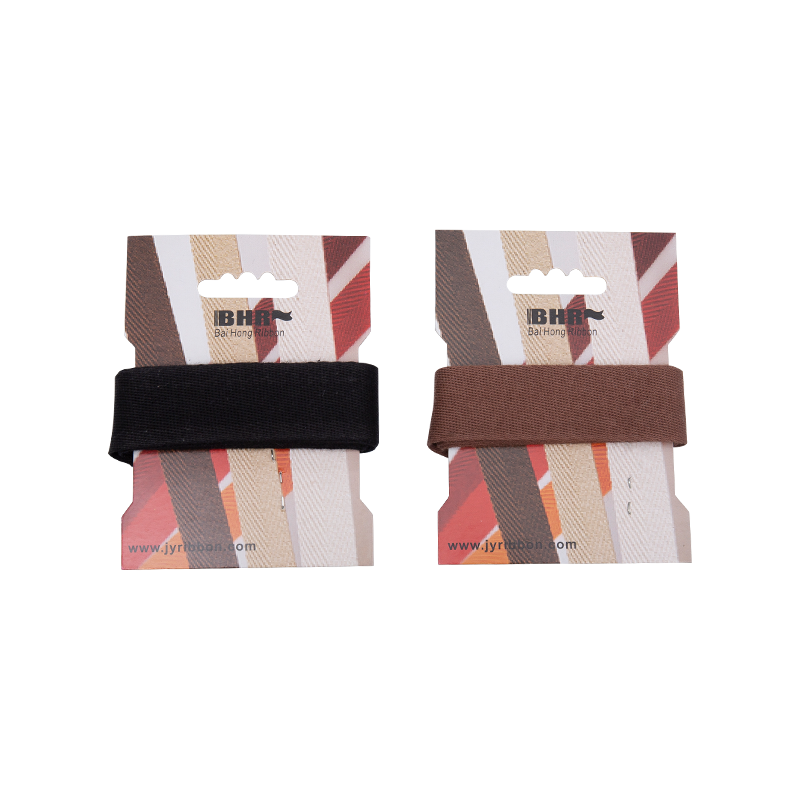
Organic Printed Cotton Webbing
Choosing the right webbing material influences product performance, sustainability claims, and end-user satisfaction. The market has seen a clear shift toward natural, certified textiles that combine functional durability with environmental responsibility. Organic Printed Cotton Webbing stands at this intersection: it offers the tactile comfort of cotton, the lower environmental footprint of organic cultivation, and the branding flexibility of printed surfaces. Buyers — from independent crafters to product designers — are increasingly searching for materials that perform well under repeated wear and washing while aligning with consumer demand for transparent sourcing and safe dyes. That rising search intent explains why topics such as print permanence, certifications, and wholesale options appear frequently in query trends.
Beyond sustainability, performance matters. Modern printed organic cotton webbing is manufactured with tighter weave densities and finishing treatments that improve abrasion resistance, resist fraying, and limit shrinkage. Advances in ink technologies and pre-treatment methods have reduced color bleeding while increasing washability — making printed patterns viable for consumer goods that require regular laundering. Designers appreciate the combination of a soft hand-feel and structural stability, enabling use in bag straps, pet accessories, and visible trim where both comfort and aesthetics matter.
- Environment: lower pesticide and synthetic fertilizer use due to organic farming practices.
- Safety: many manufacturers use low-migration, certified dyes suitable for apparel and children’s items.
- Performance: denser weaving and edge reinforcement minimize fraying and deformation.
- Design: printing enables brand patterns, repeatable motifs, and color matches for coordinated collections.
| Evaluation Factor | Conventional Cotton Webbing | Organic Printed Cotton Webbing |
| Environmental Impact | Higher | Lower (organic practices) |
| Print Quality | Variable | High with modern inks |
| Washability | Moderate | Improved with finishing |
| Hand Feel | Natural | Softer, refined |
What Is Organic Printed Cotton Webbing?
At its core, Organic Printed Cotton Webbing is a woven tape constructed from cotton fibers grown and processed under organic agricultural standards. Unlike conventionally farmed cotton, organic cotton is cultivated without synthetic pesticides and chemical fertilizers, which reduces ecosystem harm and chemical residues in fibers. Producers then weave the cotton into a webbing structure — typically flat, tightly woven tape that balances flexibility with tensile strength — and apply printed designs using inks and processes compatible with textile safety standards. The printed surface can range from simple single-color logos to complex, multicolor patterns that require precision registration and colorfast dyes.
Understanding the production chain is essential when evaluating quality. Key stages include fiber selection, yarn spinning, weaving density, dye or ink selection, printing technique, and post-print finishing. Fiber selection determines softness and tensile baseline; yarn spinning affects evenness and tensile uniformity; weaving density influences abrasion resistance and how well the print adheres to the surface. Printing techniques vary: rotary screen printing and digital textile printing are common for short-run customization, while rotary or transfer printing suit large-volume runs. Each technique has trade-offs for color vibrancy, registration precision, and per-unit cost.
From a product specification perspective, buyers should examine metrics such as grams per meter (GSM), weave count, elongation at break, and colorfastness to washing and light. Testing to international standards, or references to certifications like OEKO-TEX or GOTS for the base fibers, can be used to validate safety and environmental claims. For designers, printed organic webbing offers a reliable balance of eco-credentials and practical performance: it maintains the natural aesthetic of cotton while enabling distinct brand storytelling through print.
- Production steps: fiber → yarn → weave → print → finish.
- Common print methods: rotary screen, digital, transfer.
- Quality metrics to request: GSM, weave count, elongation, colorfastness.
- Relevant certifications: GOTS for organic content, OEKO-TEX for low chemical residues.
| Specification | Typical Range | What to Ask Supplier |
| Width | 10–40 mm (common) | Exact mm and tolerance |
| GSM | 150–300 g/m | GSM or weight per linear meter |
| Colorfastness | 3–5 (ISO scale) | Wash/rub/lightfastness ratings |
| Certification | Optional | GOTS/OEKO-TEX documentation |
Why Do Manufacturers Prefer Organic Printed Cotton Webbing?
Manufacturers select materials based on a mix of technical performance, cost-efficiency, regulatory compliance, and consumer demand. Organic Printed Cotton Webbing addresses all four vectors: it reduces supply chain chemical risk, appeals to eco-conscious buyers, integrates easily with apparel and accessory manufacturing lines, and can be customized to reinforce brand identity. Sustainability claims supported by certifications enhance downstream sales channels that require proof of responsible sourcing. Retailers and brands seeking to reduce their lifecycle environmental impacts find organic cotton webbing an accessible substitution for synthetic or conventionally produced tape.
From a production standpoint, modern organic printed webbing is engineered to withstand common manufacturing stresses. Woven tapes intended for bag handles or straps go through cutting, heat sealing, sewing, and edge finishing — processes that demand dimensional stability and abrasion resistance. Manufacturers often select higher weave counts and perform edge reinforcement to ensure the webbing retains performance after repeated assembly and consumer use. Printing technology plays a role, too: water-based inks with proper fixation yield better hand-feel and reduced effluent toxicity during laundering.
Cost considerations remain a practical constraint: certified organic materials typically command a premium. However, many brands offset this through perceived value, higher retail pricing, or by emphasizing limited runs and bespoke designs. For contract manufacturers, offering customization including repeat patterns, color matching, and private-label printing creates differentiation and opens wholesale opportunities. Additionally, supply chain transparency — including traceability from farm to finished webbing — is increasingly important for brands that must report sustainability metrics to stakeholders or regulatory bodies.
- Lower chemical risk compared to conventional cotton.
- Better market positioning for sustainable or premium products.
- Manufacturing compatibility with standard sewing and finishing lines.
- Potential price premium offset by higher perceived value.
| Manufacturer Concern | Conventional Webbing | Organic Printed Cotton Webbing |
| Supply Stability | High (commodity) | Medium (certified supply needed) |
| Cost | Lower | Higher (premium) |
| Brand Value | Neutral | Positive (eco-friendly) |
| Processing Needs | Standard | Standard + occasional print fixation |
Common Applications Across Fashion and Industrial Fields
The versatility of Organic Printed Cotton Webbing makes it suitable across a wide spectrum of applications. In fashion, it is used for bag straps, belt loops, hat trims, and visible brand labels where both hand-feel and printed aesthetics matter. In craft and home goods, crafters utilize printed cotton webbing for handles on handmade tote bags, aprons, pet leashes, and decorative curtain ties. The soft touch of cotton reduces abrasion against skin, which is a practical advantage for accessories that come into direct contact with users. Furthermore, the printed surface enables storytelling — brand logos, care icons, or decorative motifs can be directly integrated into the functional trim without additional labels.
Industrial and technical applications include uses where natural fibers are preferred for thermal sensitivity, lower static, or where biodegradability is a concern. While organic printed cotton webbing is not a substitute for high-strength synthetic webbings in load-bearing industrial contexts, it is ideal for light-to-medium duty uses and areas where aesthetics and comfort are equally important. Outdoor gear that prioritizes low-toxicity materials, children’s products where chemical residue limits are stringent, and sustainable homewares are typical sectors that adopt printed organic webbing.
Designers should match webbing specifications to the application: wider widths and higher weave densities for bag handles, narrower widths for trim and decorative binding. For pet accessories, edge reinforcement and stitched overlays prolong service life. For home textiles, print durability and washability matter most — designers often request accelerated wash tests to ensure colorfastness over repeated laundering cycles.
- Fashion: bag straps, belts, hat trims.
- Crafts: handmade bag handles, aprons, decorative trim.
- Pet accessories: leashes, collars (light-duty).
- Home textiles: curtain ties, upholstery trim.
| Application | Recommended Width | Key Property |
| Bag Straps | 25–40 mm | High weave density, edge reinforcement |
| Tote Handles | 20–30 mm | Comfortable hand-feel, durable stitching |
| Pet Leashes (Light Duty) | 15–25 mm | Strong weave, secure printing |
| Decorative Trim | 10–20 mm | Vibrant print, soft hand |
How to Choose the Right Organic Printed Cotton Webbing
Selecting the correct webbing begins with a clear specification of use-case, required mechanical performance, and desired aesthetic. First, define load expectations: will the webbing be used as a structural strap or purely as decorative trim? For structural uses such as bag handles, prioritize higher weave counts and consider edge reinforcement or folded-and-stitched constructions. Second, evaluate print requirements: for complex multi-color logos or photographic prints, digital textile printing offers superior fidelity for short runs, while rotary screen printing can be more cost-effective for long runs. Third, confirm finishing and wash treatments; many buyers favor pre-shrunk finishes and wash-resistant ink fixations to minimize field failures after consumer laundering.
When sourcing, request technical datasheets that include GSM, tensile strength (if available), elongation, and test results for wash and rub fastness. Insist on sample swatches to validate hand-feel, color reproduction, and edge integrity after cutting and sewing. For bulk or custom projects, discuss minimum order quantities (MOQs) and turnaround times; custom designs often require pre-press proofs and color matches that extend lead times. In addition, consider certifications: ask suppliers for GOTS documentation if organic content is required, and OEKO-TEX or similar certificates to ensure low chemical residues suitable for children’s products.
- Confirm use-case: structural vs decorative.
- Request technical datasheets and sample swatches.
- Ask about print method and color matching workflow.
- Verify certifications and wash/abrasion test data.
| Decision Point | What to Request | Why It Matters |
| Use Case | Application description | Determines strength and width needs |
| Print Quality | Sample proof | Ensures color fidelity and registration |
| Durability | Wash/rub test results | Predicts lifespan under use |
| Certifications | GOTS/OEKO-TEX docs | Validates sustainability/chemical safety |
Where to Buy and Trends Shaping Demand
Sourcing channels for Organic Printed Cotton Webbing include wholesale textile suppliers, specialized ribbon and webbing manufacturers, and niche eco-focused marketplaces. Buyers searching for supply options often balance price against certifications and the ability to support custom prints. Recent search trends show increased queries for phrases such as Eco-friendly Organic Printed Cotton Webbing suppliers and Custom design Organic Printed Cotton Webbing wholesale, indicating that both sustainable credentials and design flexibility are driving purchase decisions. The growth in D2C brands and artisanal makers has expanded demand for shorter MOQs and more color-accurate digital printing services.
Several market trends currently influence purchasing choices: first, a stronger focus on verified certifications (GOTS, OEKO-TEX) as retailers demand verifiable documentation. Second, sustainable dyeing and low-impact print processes — for example, waterless digital printing and low-temperature fixation — reduce effluent and energy usage, which appeals to environmentally conscious brands. Third, on-demand customization and rapid prototyping capabilities enable faster product cycles; many manufacturers now offer small-batch digital printing runs that allow designers to test market interest before committing to large wholesale orders.
- Certifications such as GOTS drive buyer confidence and retail acceptance.
- Digital printing lowers MOQ barriers for custom designs.
- Low-impact dye processes are increasingly required by sustainable retailers.
- Shorter lead times are a competitive advantage for modern suppliers.
| Channel | Typical MOQ | Strength |
| Wholesale Manufacturer | Large | Lower per-unit cost, consistent quality |
| Specialty Supplier | Medium | Certification support and customization |
| Eco Marketplace | Small | Low MOQ, curated options |
| Digital Print Service | Very Small | Fast prototyping, high fidelity |
FAQ
Is Organic Printed Cotton Webbing machine washable and colorfast?
Most modern Organic Printed Cotton Webbing products are engineered for machine washability, but colorfastness depends on the printing method and fixation process. Water-based inks with proper heat or chemical fixation typically achieve higher washfastness. Always request wash test data (ISO or AATCC standards where possible) and obtain physical samples to run in-use wash cycles. For consumer products, recommend laundering instructions on the finished item to maximize print longevity.
How does the price of Organic Printed Cotton Webbing compare to conventional webbing?
Certified organic webbing generally carries a price premium due to higher raw material costs and the administrative overhead associated with certifications like GOTS. Printing and custom design further increase unit cost, especially at low volumes. Buyers can offset costs through higher retail margins, premium positioning, or by optimizing order quantities and print methods — digital printing for short runs and rotary for larger runs typically balance cost and quality.
Can I get custom prints on small orders for Organic Printed Cotton Webbing?
Yes. Advances in digital textile printing allow for high-fidelity custom prints at low minimum order quantities. Many suppliers now offer short-run digital services that cater to designers and small brands. When ordering, confirm color matching processes, file prep requirements, turnaround times, and any pre-press proof fees. Samples are essential before committing to volume production.
What certifications should I request when sourcing Organic Printed Cotton Webbing?
Key certifications include GOTS (Global Organic Textile Standard) for verified organic fiber content and responsible processing, and OEKO-TEX for low chemical residues. If you require traceability back to farming practices, request chain-of-custody documentation and supplier traceability statements. For print safety, ask for test reports on colorfastness and any low-migration dye certifications if the product will be used for children’s goods.
Which long-tail searches reflect current buyer intent for this material?
Search volume signals show strong intent for terms combining application and sourcing: Organic Printed Cotton Webbing for bag making, Eco-friendly Organic Printed Cotton Webbing suppliers, Custom design Organic Printed Cotton Webbing wholesale, Durable Organic Printed Cotton Webbing straps for crafts, and Soft and washable Organic Printed Cotton Webbing material. These phrases indicate buyers who are ready to design, source, or purchase — making them ideal targets for product pages, buying guides, and supplier listings.

Over the years, we have been providing high-quality, safe and reliable products for the clothing and footwear industries.
- Quick Links
- Contact Information
-
-
 NO.137-1 Chenglu Road, Huashi Town, Jiangyin City214421, Jiangsu, China
 -
 +86 138-0616-9220
 -
 Lhbhzd@126.com
bh@jyribbon.com
sales2@jyribbon.com
-
- Mobile QR Code

