


 English
  русский
  Español
Industry News
Dec 23,2025
What Makes Standard Braided Elastic Bands a Reliable Choice?
Content
- 1 Overview of Standard Braided Elastic Bands
- 2 How Standard Braided Elastic Bands Perform in Different Applications
- 3 Choosing the Right Type of Braided Elastic Band
- 4 Manufacturing Structure: How Braiding Impacts Elasticity & Durability
- 5 Visual Guide: Comparing Elastic Band Types
- 6 Best Practices for Using Standard Braided Elastic Bands in Projects
- 7 FAQ
Overview of Standard Braided Elastic Bands
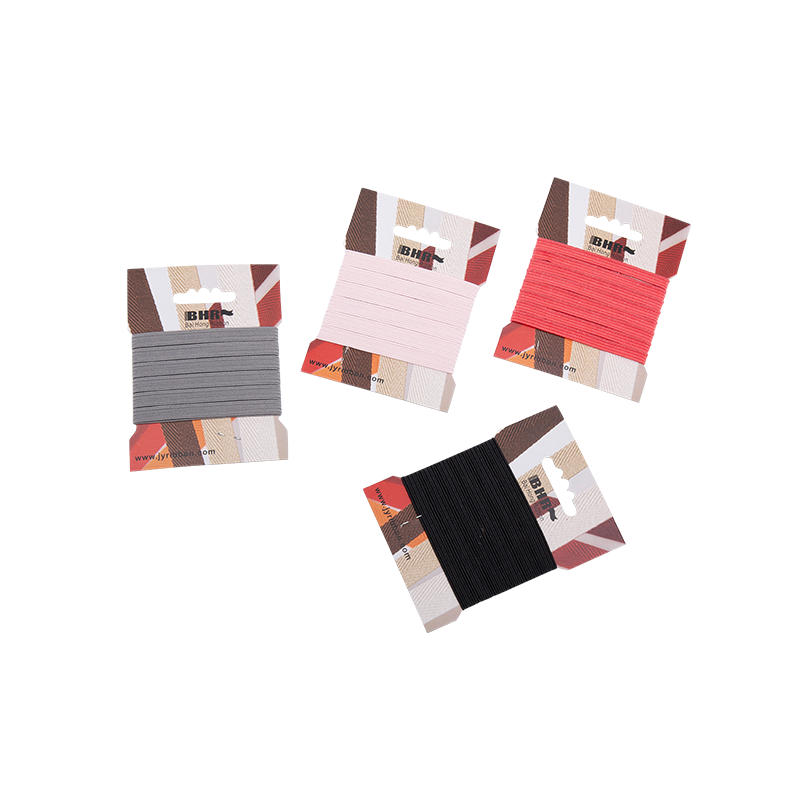
Standard braided elastic bands have become one of the most widely used elastic materials across apparel, accessories, household goods, and industrial sewing projects. Their durability, firm stretch profile, and resistance to narrowing under tension make them ideal for many mainstream applications. Modern buyers often search for durable standard braided elastic bands because they want materials that maintain elasticity after repeated laundering, stretching, and long-term wear.
These bands are constructed through a braiding technique in which multiple fiber strands are interlaced in a consistent and tight structure. This structure naturally creates strong tension resistance and reliable recovery. Beyond basic sewing, braided elastics are chosen for scenarios that demand dimensional stability, even when repeatedly stretched.
What Are Standard Braided Elastic Bands?
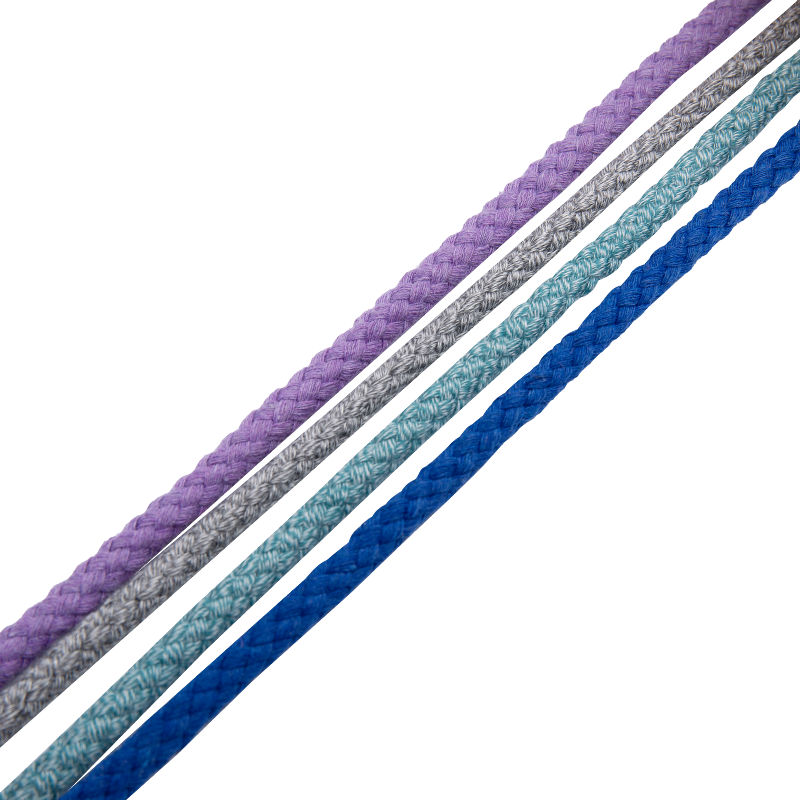
These elastic bands consist of rubber or spandex filaments covered by braided polyester, cotton, or nylon yarns. The braiding technique adds firmness and helps the elastic resist rolling or twisting during use. In general applications, braided elastics remain flat and stable, even after prolonged tension.
Key Features and Functional Characteristics
The strength of braided elastic lies in its tight interwoven pattern. This pattern makes the bands ideal for waistbands, medical straps, bags, sports accessories, and more. Compared with knitted or woven bands, braided elastics offer a firmer stretch and more defined grip.
- Firm stretch profile that provides reliable hold
- Resistant to curling, rolling, or distortion
- Performs well under repeated stress cycles
- Suitable for general household and industrial sewing
Why Are They Considered Durable and Reliable?
Braided elastic maintains structure even when pulled repeatedly, making it suitable for garments and sewn items that undergo regular movement. The structure prevents premature fraying, deformation, or overstretching. When users choose durable standard braided elastic bands, they expect a product that performs consistently over time, which braided elastics deliver.
How Standard Braided Elastic Bands Perform in Different Applications
Braided elastic bands provide versatility that extends across sewing, apparel manufacturing, and mask production. Searches such as standard braided elastic bands for sewing, soft braided elastic bands for clothing, and braided elastic bands for face masks reveal that buyers prioritize comfort, flexibility, and stable stretch.
Performance in General Sewing Projects
When used in sewing applications, braided elastics deliver predictable performance. Their slightly firmer stretch makes them suitable for waistbands, straps, and flexible closures. The elasticity remains stable even after multiple passes through a sewing machine, and the fibers do not fray easily.
- Consistent behavior under needle tension
- No excessive narrowing when stretched
- Excellent control during stitching
- Compatible with household and industrial sewing machines
Apparel & Clothing Use Cases
In clothing applications, comfort and recovery matter. While knitted elastic is often softer, many buyers still choose soft braided elastic bands for clothing because braided types offer better structure for waistbands, cuffs, and fitted sections. The tactile feel varies depending on fiber content, but well-made braided elastic still provides good skin comfort.
Face Mask and Medical Use Scenarios
Demand for braided elastic bands for face masks has increased drastically over recent years. Braided elastic is chosen because it maintains high stretch while withstanding frequent sterilization and washing. These characteristics make it reliable for ear loops and mask straps that require comfort without losing elasticity.
Performance Comparison Table
Below is a comparison of braided elastic performance across different applications:
| Application | Performance Level | Key Benefit |
| Sewing Projects | High | Stable under machine stitching |
| Clothing | Medium–High | Firm hold for waistbands and cuffs |
| Face Masks | High | Strong stretch with long-term comfort |
Choosing the Right Type of Braided Elastic Band
Users searching for heavy duty braided elastic bands often require an elastic that withstands greater load or tension. Choosing the correct elastic ensures the final product performs as intended without stretching out prematurely.
Factors to Consider Before Selecting Elastic
Width, fiber composition, stretch rate, and application type all influence performance. For projects requiring high elasticity retention, heavy-duty options provide greater strength and durability.
Differences Between Light, Medium, and Heavy-Duty Types
Light-duty bands are best for children’s clothing or lightweight crafts; medium-duty suits general garments; heavy-duty is ideal for equipment straps, uniforms, and reinforced apparel sections.
Specification Comparison Table
A matrix comparison of different duty levels:
| Elastic Type | Stretch Strength | Typical Use |
| Light-Duty | Low | Light garments |
| Medium-Duty | Moderate | Everyday clothing |
| Heavy-Duty | High | Equipment straps / workwear |
Manufacturing Structure: How Braiding Impacts Elasticity & Durability
Elastic durability is largely determined by its construction. Searches for durable standard braided elastic bands often lead users to learn about how braiding improves performance. Braided elastics interlock fibers in a manner that creates a tough yet flexible structure.
Braided Construction vs Knitted vs Woven
Braided elastics have firmer tension, knitted elastics offer softer stretch, and woven elastics provide maximum strength with limited stretch. Each type suits different needs depending on comfort, firmness, and long-term recovery requirements.
Material Choices and Their Influence
Polyester offers stability, nylon delivers softness, and cotton adds breathability. The elastic core material—latex or spandex—determines maximum elongation and recovery.
Stretch, Recovery, and Long-Term Performance
High-quality braided elastic can withstand frequent movement and laundering without major degradation. It maintains tension and remains flat, reducing wear and structural damage over time.
Visual Guide: Comparing Elastic Band Types
Feature Comparison Table
Comparison of braided, knitted, and woven elastic:
| Elastic Type | Softness | Firmness | Best For |
| Braided | Medium | High | Sewing, masks, waistbands |
| Knitted | High | Medium | Clothing requiring soft feel |
| Woven | Low | Very High | Heavy-duty applications |
Application Suitability Table
| Application | Recommended Elastic | Reason |
| Face Masks | Braided | Soft + durable stretch |
| Sportswear | Knitted | Maximum comfort |
| Workwear | Woven | High strength |
Best Practices for Using Standard Braided Elastic Bands in Projects
Cutting and Edge Treatment
Cut braided elastic using sharp scissors or rotary tools to maintain clean edges. Avoid fraying by heat-sealing synthetic elastics or stitching edges immediately.
Stitching Techniques
Use zig-zag stitching for stretch areas and ensure the elastic remains flat while sewing. Avoid excessive thread tension to prevent distortion.
Avoiding Common Issues
To prevent twisting or narrowing, ensure the elastic width and tension match the fabric type. Always pre-stretch elastic before sewing it into waistbands or cuffs.
FAQ
What are standard braided elastic bands used for?
They are widely used for waistbands, mask ear loops, sleeves, bags, and general sewing because of their stable tension and durability.
Are braided elastic bands better for sewing than knitted ones?
For structure, yes—braided elastic provides firmer tension. For softness, knitted elastic is superior. The choice depends on project needs.
Can braided elastic be used for face masks?
Yes. Braided elastic bands for face masks offer durable stretch and comfort, making them one of the most common options for ear loops.
How do I choose between regular and heavy-duty braided elastic?
Choose heavy duty braided elastic bands when you need strong tension for equipment straps, workwear, or reinforced garments. Regular types suit everyday clothing and crafts.
Is braided elastic comfortable enough for clothing waistbands?
Yes. Many manufacturers use soft braided elastic bands for clothing because they balance stability with comfort while maintaining a firm grip.

Over the years, we have been providing high-quality, safe and reliable products for the clothing and footwear industries.
- Quick Links
- Contact Information
-
-
 NO.137-1 Chenglu Road, Huashi Town, Jiangyin City214421, Jiangsu, China
 -
 +86 138-0616-9220
 -
 Lhbhzd@126.com
bh@jyribbon.com
sales2@jyribbon.com
-
- Mobile QR Code

