


 English
 русский
 Español

News
Nov 09,2026
How to Compare Webbing Suppliers by Material, Construction and Product Range
Content
- 1 Material: The First Filter When You Compare Webbing Suppliers
- 2 Construction: The Second Filter When You Compare Webbing Suppliers
- 3 Score Every Candidate on a Weighted Checklist
- 4 Product Range: Compare Depth, Not Catalogue Count
- 5 Certification and Test Reports You Can Verify
- 6 Commercial Terms That Expose Real Capability
- 7 Frequently Asked Questions
Three quotations arrive for one line item: 25 mm cotton webbing in ecru, 50 kg, delivered to a shoe factory. The cheapest is 14% below the highest, and all three attachments describe what looks like the same product.
That spread is routine in the trim trade, and it is rarely pure negotiation margin. Most of it sits in yarn count, pick density, pre-shrinking and whether the mill can put a test report behind the tape. Anyone working out how to compare webbing suppliers by material, construction and product range should read three things before touching the price column: what the tape is made of, how it is built, and whether the factory can carry a whole trim package through one colour approval.
14% Typical price spread between quotes for an identical nominal spec
50% Approximate share of tape cost held in yarn choice and weaving
3 Production lots to sample before you commit to a supplier
Material: The First Filter When You Compare Webbing Suppliers
Material specification drives most of the gap between two webbing quotations, so the first comparison is not price per kilogram but yarn composition, measured weight in grams per metre and shrinkage behaviour.
"Cotton webbing" is a trade name, not a specification. In one mill it means a 100% combed cotton warp and weft; in another it is a cotton warp with a polyester weft that protects the price and quietly changes how the tape dyes, shrinks and wears. The same logic applies to polyester, which may be filament or spun, virgin or recycled, dull or bright.
- Yarn composition with percentages, not a family name
- Measured weight per metre on a one-metre cut, weighed on a scale, not the theoretical figure
- Yarn count and ply for warp and weft separately
- Residual shrinkage after three home washes at a normal warm setting
| Material family | Typical use | What to verify in writing |
| Combed or mercerized cotton | Apparel trim, shoe linings, bag handles | Residual shrinkage, mercerization level, colour consistency across lots |
| Plain or satin polyester | Belts, backpack straps, mattress binding | Filament or spun yarn, tenacity, colour fastness to rubbing |
| Recycled polyester | Brand eco programmes | Chain-of-custody certificate and the verified recycled percentage |
| Nylon | Jacquard rope webbing, outdoor gear | Abrasion cycles and UV stability data |
| PP yarn blends | Budget elastic webbing | Stiffness, UV yellowing and behaviour during dyeing |
 Organic Cotton Webbing for Bags, Apparel, and Pet ProductsFor buyers clarifying cotton webbing specifications, this organic option offers softness, breathability, and traceability to certified organic suppliers.View Product →
Weight and yarn count also explain most quotation arguments about cotton webbing cost optimisation, because a 10% weight difference at the same width almost always means a different pick density rather than a better deal.
Construction: The Second Filter When You Compare Webbing Suppliers
Construction covers weave structure, warp and weft density, edge finish and, for elastic tape, whether the band is woven or knitted. It is the second filter that separates two mills quoting identical material.
Construction, in webbing terms, is the combination of weave structure (plain, twill, satin or jacquard), ends and picks per inch, edge treatment and, for elastic tape, the knitting or weaving method plus any silicone coating.
Plain weave is the cheapest and most dimensionally stable, which is why it dominates bag handles and binding tape. Twill and herringbone add surface texture and slightly more stretch on the bias. Satin gives the tape its sheen and a softer hand, at the cost of abrasion resistance. Jacquard is a different capability altogether: it needs a computer jacquard loom and a design file, and it is where many otherwise capable mills fall short.
Woven elastic
- Higher modulus and predictable tension at low elongation
- Holds shape well in shoe uppers and binding
- Firmer hand, less next-to-skin softness
Knitted elastic
- Softer stretch and better breathability
- Needs silicone or grip treatment to resist slipping
- Lower recovery under sustained load
Four construction checks settle most comparisons in a single afternoon:
- Count ends and picks per inch on a one-metre cut and compare with the quoted figure
- Check the edge: fraying, curling or a ragged selvedge shows up within a few rubs
- Measure thickness at three points and accept no more than a 0.2 mm deviation
- Extend an elastic sample to 50% and measure recovery after one hour
 Non-Slip Silicone Elastic for Activewear and SportswearFor activewear, this woven elastic uses silicone coating or exposed latex threads to increase grip while maintaining stretch and recovery.View Product →
Sample rule
Never approve construction from a photo or a hand feel alone. Request a one-metre cut, wash it once, and re-measure width, thickness and length. A tape that loses 4% of its width after washing will cost more in cutting-room rejects than any saving on the invoice.
Score Every Candidate on a Weighted Checklist
A weighted scorecard converts a shortlist into a repeatable decision, and giving material evidence and construction consistency more weight than price stops the cheapest quote from winning by default.
Suggested weighting for a webbing supplier scorecard
Weights reflect the cost impact of each criterion on a typical footwear or apparel programme.
Score each supplier from one to five on every line and calculate the weighted total. Material evidence should cover test reports and lot traceability, construction should cover measured weight and pick density, and range fit should cover whether the same colour can be matched across several tape families.
Product Range: Compare Depth, Not Catalogue Count
A supplier with 400 catalogue items across one weaving width is less useful than one with 60 items across four material families, because most trim programmes need matched colour and hand feel across several tapes at once.
Range depth shows up in three places: whether the mill can hold one colour reference across cotton and polyester, whether jacquard weaving is done in-house or subcontracted, and whether widths run from 3 mm to 50 mm on the same machine base. A factory that already runs narrow looms, jacquard looms, a pre-shrinking range and warping equipment can usually hold tolerances across a mixed order. One that outsources finishing cannot.
- Send one Pantone TCX reference and ask for lab dips on three different tape constructions.
- Order the same material in three widths and compare the edge quality side by side.
- Request one two-colour jacquard sample and check registration and backing.
- Ask directly which steps are in-house and which are subcontracted, then write the answer into the contract.
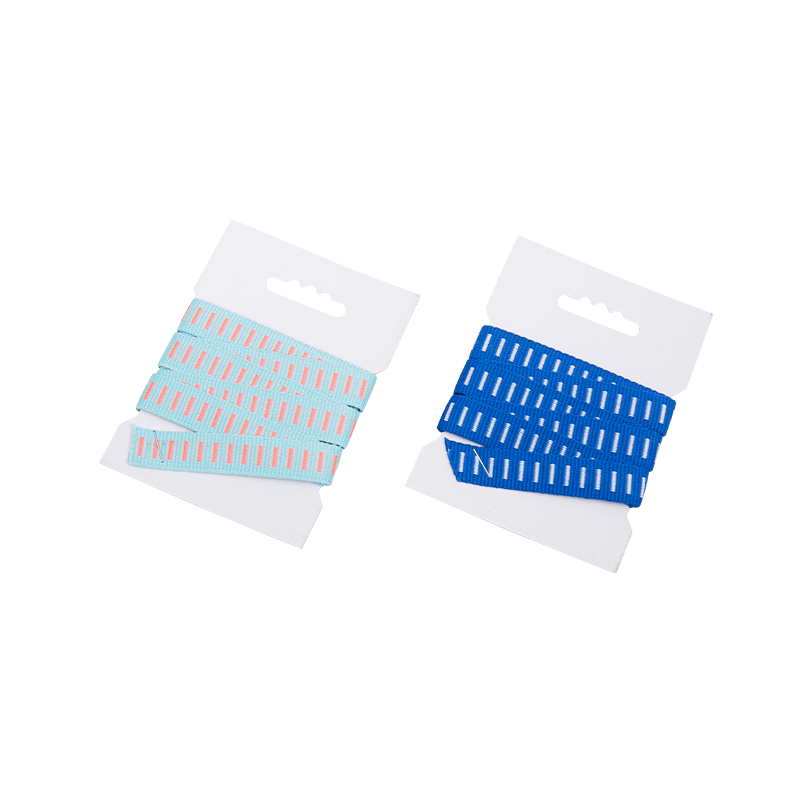 Jacquard Polyester Webbing with Excellent Color FastnessPolyester webbing with jacquard patterns that resist fading from sun and washing, suitable for applications requiring durable, colorful designs.View Product →
Range test
Give the supplier a single colour target and ask for a webbing, a matching shoelace and a matching elastic band. A mill with genuine range depth returns all three from one dye lot; a trader returns three different shades and one apology.
Certification and Test Reports You Can Verify
Ask for the certificate number, the test standard and the issue date, because a scanned logo is not evidence of anything.
Oeko-Tex Standard 100 is the usual baseline for textile skin contact, and a serious supplier will state the product class and renewal date. Alongside it, request colour fastness to rubbing and washing on the grey scale, a shrinkage report, a tensile figure for load-bearing tapes, and a declaration on azo dyes. Factories with their own testing laboratory, such as Jiangyin City Baihong Weaving Band Co.,Ltd, can usually return these within days rather than weeks, which matters when a buyer is holding a production slot.
Three documents per sample
Test report, material declaration and lot traceability. If a supplier can produce all three for a random sample without warning, the quality system is real rather than decorative.
Commercial Terms That Expose Real Capability
Minimum order quantity, sampling lead time and finishing equipment tell you more about a mill than any brochure page.
Ask whether the MOQ is set per colour, per width or per item, since that single answer changes your inventory plan. Confirm sampling lead time against a realistic five to seven working days rather than a verbal promise. Then check the finishing side: pre-shrinking, silicone coating, printing and heat transfer are the steps most often outsourced by trading companies, and each one is a delay waiting to happen. Location matters at the end of the chain; a plant near Shanghai and Ningbo ports ships faster and absorbs fewer surprises in peak season.
Frequently Asked Questions
How do I compare two webbing quotes that use different units?
Convert both to grams per metre and cost per metre. Weigh a one-metre cut on a scale accurate to 0.1 g, divide the kilogram price by the measured weight, and the two quotations become directly comparable.
Is the lowest price per kilogram always the cheapest option?
No. A lower weight per metre often signals fewer picks per inch, which reduces strength and increases breakage in cutting and sewing. Add reject rates and re-order costs before treating a low kilogram price as a saving.
How many samples should I request before approving a supplier?
Three samples from separate production lots. One sample proves the factory can make a good tape; three prove it can make the same tape repeatedly.
What is the fastest test for elastic webbing quality?
Extend a 10 cm sample to 15 cm, hold it for one hour, release it and re-measure. Recovery above 95% of the original length indicates sound elastane content and good knitting or weaving tension.
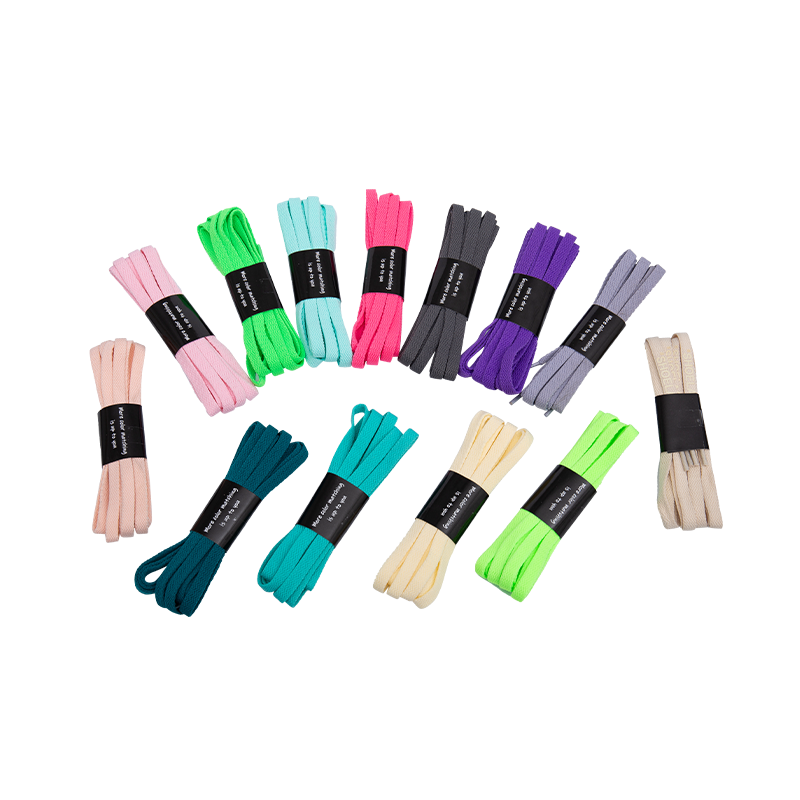
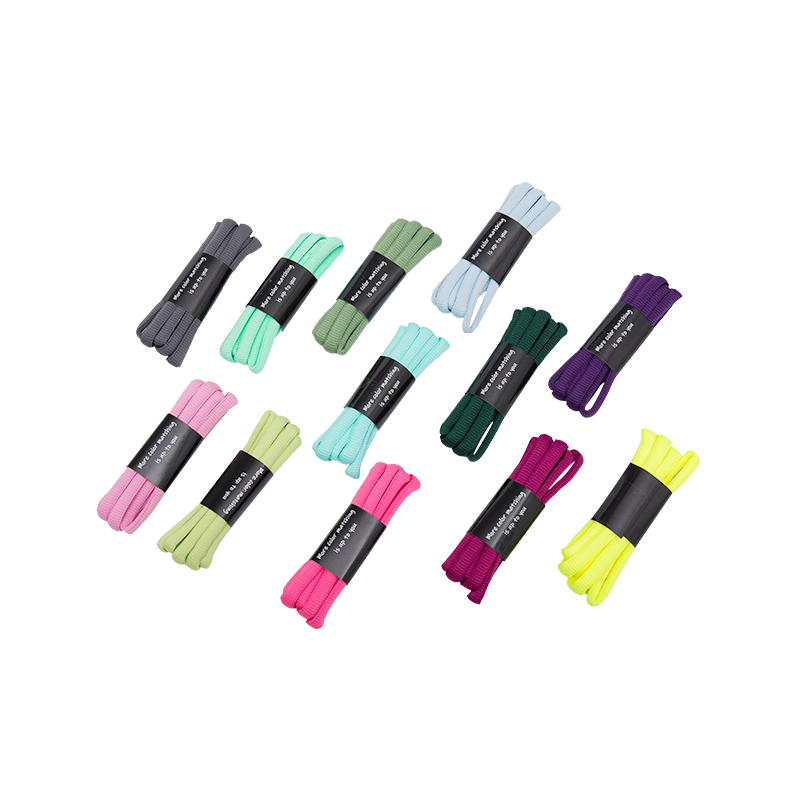
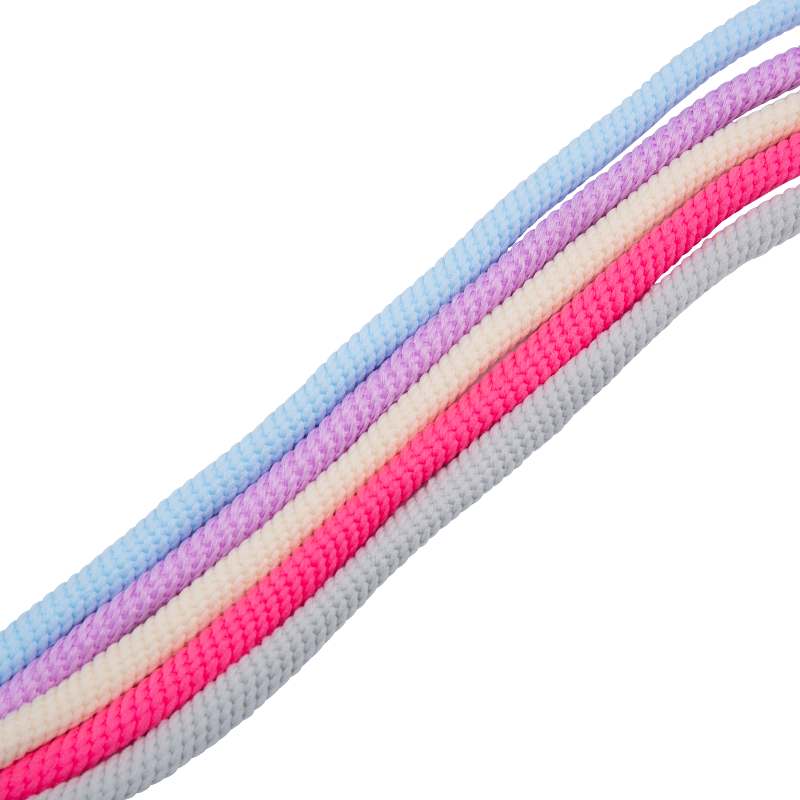
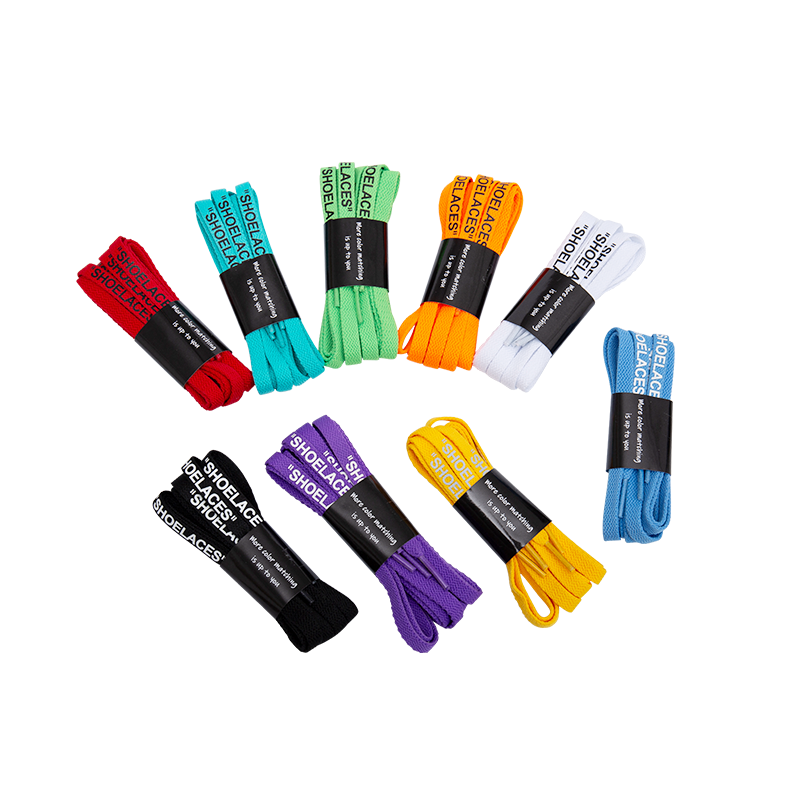
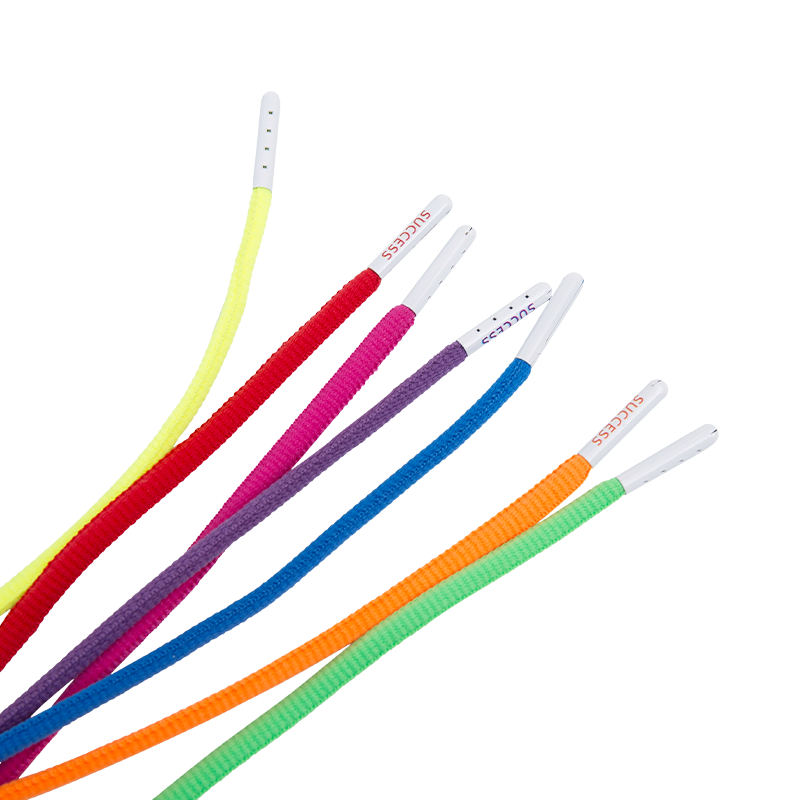
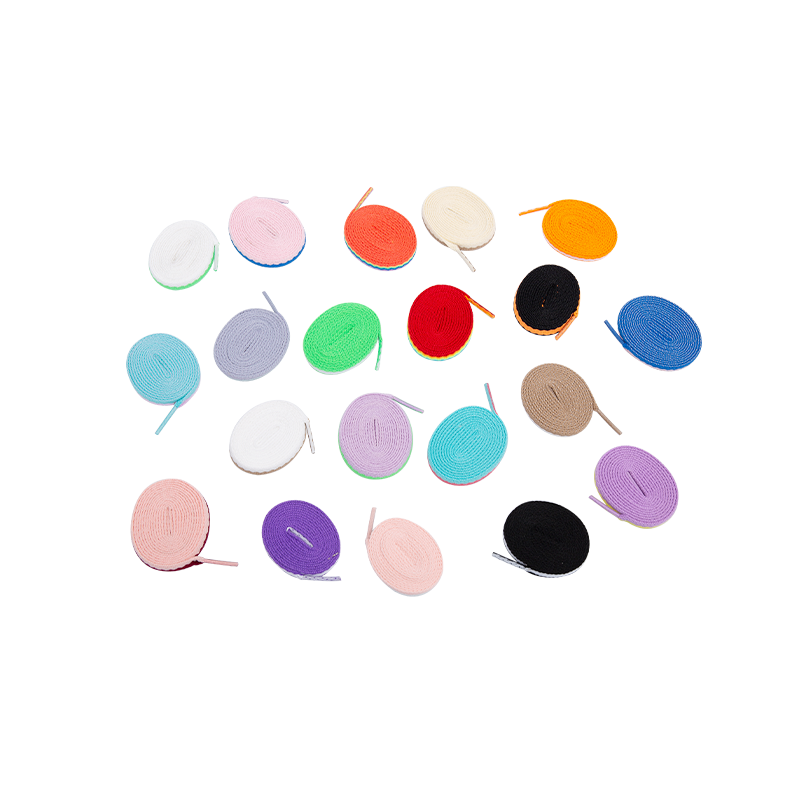

Over the years, we have been providing high-quality, safe and reliable products for the clothing and footwear industries.
- Quick Links
- Contact Information
-
-
 NO.137-1 Chenglu Road, Huashi Town, Jiangyin City214421, Jiangsu, China
-
 +86 138-0616-9220
-
 Lhbhzd@126.com
bh@jyribbon.com
sales2@jyribbon.com
-
- Mobile QR Code

