


 English
 русский
 Español
Home / News / Industry News / What Buyers Should Confirm Before Ordering: Practical Applications, Selection

Industry News
Nov 02,2026
What Buyers Should Confirm Before Ordering: Practical Applications, Selection
Content
- 1 A Photo Is Not a Spec: What Custom Elastic Webbing Buyers Must Confirm First
- 2 Confirm Elongation, Recovery, and Set Before Discussing Custom Elastic Webbing Price
- 3 Woven or Knitted Custom Elastic Webbing: The Construction Sets the Tolerance
- 4 Put Width, Thickness, and Test Methods on One Page
- 5 Certification and Color Approval: Ask for the Certificate Number
- 6 MOQ, Lead Time, and Shipping Terms Close the Loop
- 7 FAQ: Custom Elastic Webbing Ordering Questions
Forty thousand finished hoodies held in a warehouse because a 10 mm piece of custom elastic webbing arrived at 10.9 mm is a familiar story in apparel sourcing. The sample passed. The bulk did not. Nothing on the purchase order said which measurement counted, which test method applied, or how much variation was acceptable, so the dispute came down to opinion against opinion.
The buyers who avoid that outcome run the same few confirmations before they release a custom elastic webbing order: construction, stretch behaviour, dimensional tolerance, test method, certification, and commercial terms. Each one is cheap to settle in writing and expensive to settle after a container has sailed.
A Photo Is Not a Spec: What Custom Elastic Webbing Buyers Must Confirm First
The first thing to confirm is construction: fiber content, yarn system, weave or knit type, and the loom width the tape will run on.
A photograph shows color and pattern. It does not show whether the elastomer is bare spandex or a covered rubber core, and that single choice decides how the tape behaves after twenty washes. Covered cores cost more per meter and hold recovery better under repeated stretch. Bare spandex is cheaper and shows its limits faster in a waistband that gets pulled every morning.
Ask the mill to state, in writing: fiber percentages by weight, elastane type and linear density, whether polyester or PP yarn is used as a stiffening or bulking component, the weave structure, and the edge finish. A hot-cut edge, a woven selvage, and an ultrasonically sealed edge all feed differently through a sewing folder.
Definition: custom elastic webbing
A narrow woven or knitted fabric containing an elastomeric core, usually spandex or covered rubber, engineered to a specified width, elongation, and recovery for a named end use. The end use defines the specification, not the other way around.
- Elastane content and decitex, not just "stretch fabric"
- Presence of PP or stiffening yarn, which lowers cost and raises stiffness
- Structure: plain, twill, or jacquard, since each changes stretch and width stability
- Edge finish and whether the tape is slit, woven to width, or sealed
Settle construction before color. A construction change after lab dips are approved resets the entire approval cycle and usually the price with it.
Confirm Elongation, Recovery, and Set Before Discussing Custom Elastic Webbing Price
Elongation at a stated load, recovery after cycling, and residual set decide whether an order is profitable. Price per meter does not.
Two mills can quote the same width and color at prices that differ by 15 percent and both be honest, because the cheaper tape may carry 12 percent less elastane. That difference shows up as growth. A tape reading 180 percent elongation against a 160 percent target rarely fails at the sewing line. It fails three weeks later, when the waistband on a finished garment has relaxed and the customer photographs the gap.
Name the measurement conditions on the order: load, gauge length, dwell time, and cycle count. ASTM D4964 is the common reference for elastic fabrics. If buyer and mill agree on an in-house method instead, write the method down rather than the number alone, because a number without a method is not a specification. For a full comparison of constructions, see this explanation of what woven elastic webbing actually is.
Typical break elongation by construction, percent
Knitted
200
Braided
140
Woven, narrow
110
Jacquard
100
Extra-wide woven
80
Indicative ranges from mill sampling, not a specification. Always test against your own approved master sample.
Price per meter is the least informative number on a webbing quotation. Elongation at a stated load, set after cycling, and width tolerance decide what the meter actually costs.
A practical target for a waistband elastic: elongation within 10 percent of the sealed sample at 2 kg, residual set under 8 percent after 30 minutes at 50 percent extension, and growth under 5 percent after five cycles.
Shoe elastic is the strictest case, because the tape is stretched every step and is stitched under tension. For that reason buyers in footwear usually approve a construction sample on the actual folder before they release bulk.
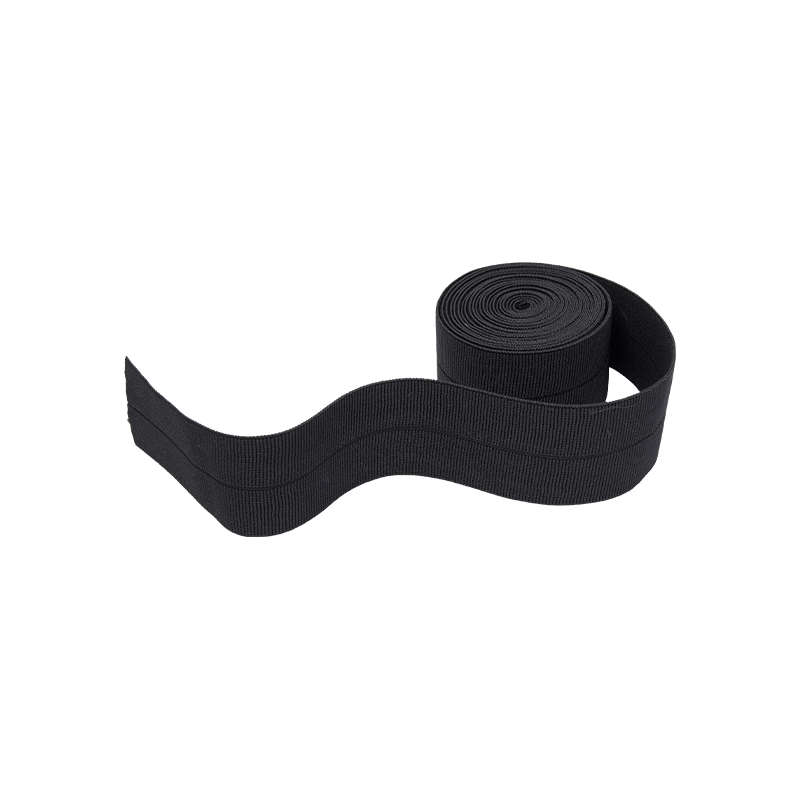 Elastic Webbing for Footwear and Shoe ApplicationsFootwear-focused elastic webbing in widths from 1–20 cm, with starched or softer unstarched options for shoe uppers, straps, and fastenings where stretch and recovery matter.View Product →
Woven or Knitted Custom Elastic Webbing: The Construction Sets the Tolerance
Woven elastic holds width and delivers controlled, lower stretch. Knitted elastic delivers a softer hand and higher stretch with looser dimensional control.
Woven elastic
- Width stability suitable for high-speed folders
- Stretch typically 90 to 130 percent at break
- Stronger against abrasion in straps and bindings
- Natural fit for footwear, bag straps, and waistbands
Knitted elastic
- Softer against skin, better drape in cuffs
- Stretch typically 180 to 220 percent at break
- Airier structure that suits sportswear and base layers
- Looser width control, so tolerance must be agreed wider
Neither construction is better. A 10 mm shoe elastic needs woven width stability because the tape runs through a folder at speed. A cuff on a base layer needs the hand and breathability of a warp knit. Jacquard sits in between: the pattern is woven in, so stretch and width behave like woven goods while the face carries a design.
Breathability is measurable, not decorative. Open knit structures move moisture and reduce skin contact area, which is why sportswear and medical buyers specify them by name.
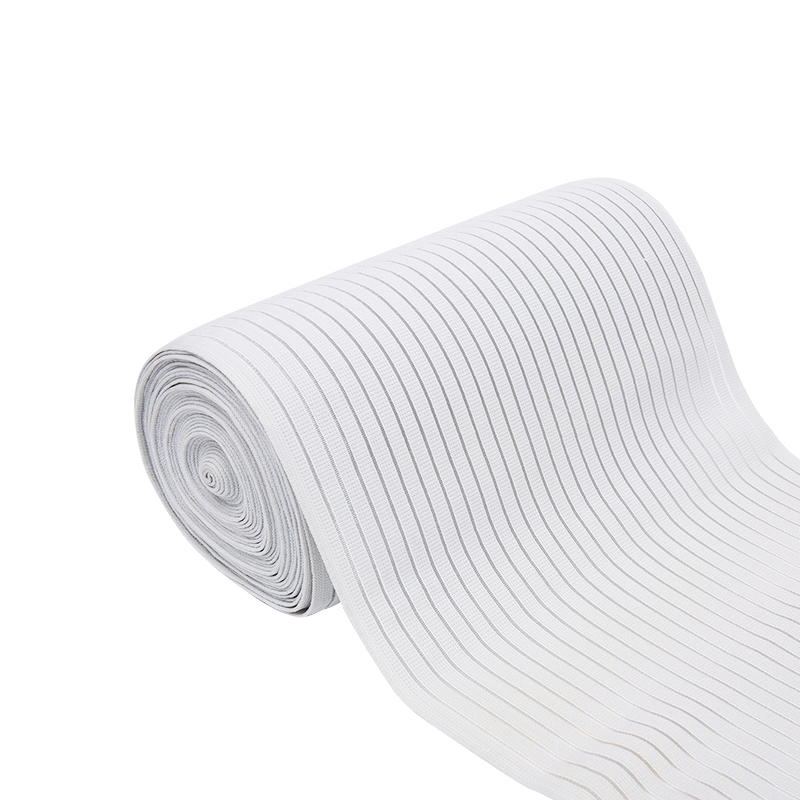 Breathable Knitted Elastic Band for Medical and Sports UseOpen-structure knitted elastic in 5–25 cm widths, designed for moisture transfer and stretch recovery in medical wraps, supports, and sportswear.View Product →
Put Width, Thickness, and Test Methods on One Page
Width, thickness, and shrinkage tolerances only mean something when the measuring method sits directly beside each number.
Measure relaxed, after 24 hours of conditioning at 20 degrees C and 65 percent relative humidity, with the tape lying flat and unrolled. A tape measured straight off the loom reads wider than the same tape measured the next morning. If the order does not fix the condition, both readings are defensible and neither settles the argument.
| Parameter | Tolerance to agree | Exposure if left open |
| Width | 0.5 mm under 15 mm wide; 1.0 mm above | Cutting waste and puckered seams |
| Thickness | 0.15 mm against the sealed sample | Feed problems and bulky seam allowances |
| Elongation at 2 kg | Within 10 percent of master sample | Fit failure and size complaints |
| Residual set | 8 percent maximum after 30 minutes at 50 percent extension | Bagging waistbands and sagging straps |
| Shrinkage after 3 washes | 3 percent for cotton blends, 2 percent for polyester | Puckering along the stitching line |
| Colorfastness to washing | Rating 4 or better, AATCC 61 or ISO 105-C06 | Shade transfer and retail returns |
| Certification | Oeko-Tex Standard 100, class matched to end use | Rejection at the brand's own lab |
Tolerances are starting points for negotiation, not industry law. Narrow goods under 15 mm usually hold 0.5 mm on width; wider and extra-wide elastics commonly allow 1.0 mm.
Silicone grip needs its own line item: dot size, dots per square centimeter, cure method, and an adhesion check after five washes. A grip that peels at the edge is worse than no grip at all, because it fails inside the customer's finished product rather than in your warehouse.
 Non-Slip Silicone Elastic Webbing for Activewear and GarmentsWoven elastic with silicone coating or exposed latex threads to increase surface friction and help headbands, waistbands, and activewear stay in place.View Product →
Certification and Color Approval: Ask for the Certificate Number
Ask for the Oeko-Tex Standard 100 certificate number and the product class, not a logo printed on a catalog page.
The class matters more than the logo. Class I covers articles for babies and toddlers, Class II covers items with large skin contact, and a mill certified for Class II on one article range cannot be assumed to hold Class I for the tape you ordered. The certificate also names the tested article and material range, so confirm that your specific construction and color sits inside it.
Color approval has its own traps. Request lab dips approved under D65 lighting and keep the signed dip as the master standard. Metamerism is usually the culprit when a dispute appears: two samples that match under office lighting can separate visibly under daylight, and both sides will believe they approved the same shade.
Documents to collect before bulk release
- Oeko-Tex Standard 100 certificate number and product class, valid for the current year
- Signed lab dip approved under D65 light, retained as the master standard
- Width and thickness record measured under the agreed condition
- Elongation and set results from the sealed sample
- Shrinkage result after three washes at the agreed temperature
MOQ, Lead Time, and Shipping Terms Close the Loop
Minimum order quantities for elastic webbing are set by dye lots and loom set-up, so the number you are quoted usually tracks the color count more than the total meterage.
A typical dyed narrow-goods run starts at 3,000 to 5,000 meters per color. White and black programs can go lower because they avoid a dye bath. Sample lead time runs 7 to 10 working days after the specification is signed, lab dips add 5 to 7 days, and bulk production commonly takes 15 to 25 days depending on loom availability and whether jacquard patterning is involved.
3,000-5,000 mMOQ per dyed color
7-10 daysSample lead time after sign-off
15-25 daysBulk production window
0.5 mmWidth tolerance, narrow goods
Logistics belong in the same conversation. A mill based in Jiangyin sits roughly 150 km from Shanghai port and around 300 km from Ningbo, which is three to six hours by truck. That distance matters when a vessel booking is pulled forward and the container has a fixed cut-off. Agree the Incoterm, who books the space, and who pays for third-party testing, because a 200 USD lab report can hold a 40,000 USD order at the gate.
FAQ: Custom Elastic Webbing Ordering Questions
How much width tolerance should a buyer allow on custom elastic webbing?
For narrow goods up to 15 mm, 0.5 mm either side is workable. Above 15 mm, 1.0 mm is common. State the measuring condition as well, because a tape measured off the loom reads wider than one relaxed for 24 hours at controlled humidity.
Is an approved sample enough to protect a bulk order?
No. A sample proves the mill can make the tape once. A signed specification with tolerances, test methods, and a sealed master sample proves what bulk will be judged against. Attach the lab dip and the measurement conditions to the order document.
Which certification matters most for EU and US retail?
Oeko-Tex Standard 100 with the correct product class is the baseline for textile safety. EU buyers also request REACH SVHC declarations, and US buyers sourcing children's products need CPSIA compliance. Always verify the certificate number and the article range rather than accepting a logo.
How long does a custom elastic webbing order take from approval to shipment?
Plan on 7 to 10 days for samples, 5 to 7 days for lab dips when color is custom, and 15 to 25 days for bulk. Add inland trucking to Shanghai or Ningbo and the ocean transit time on top of that schedule.
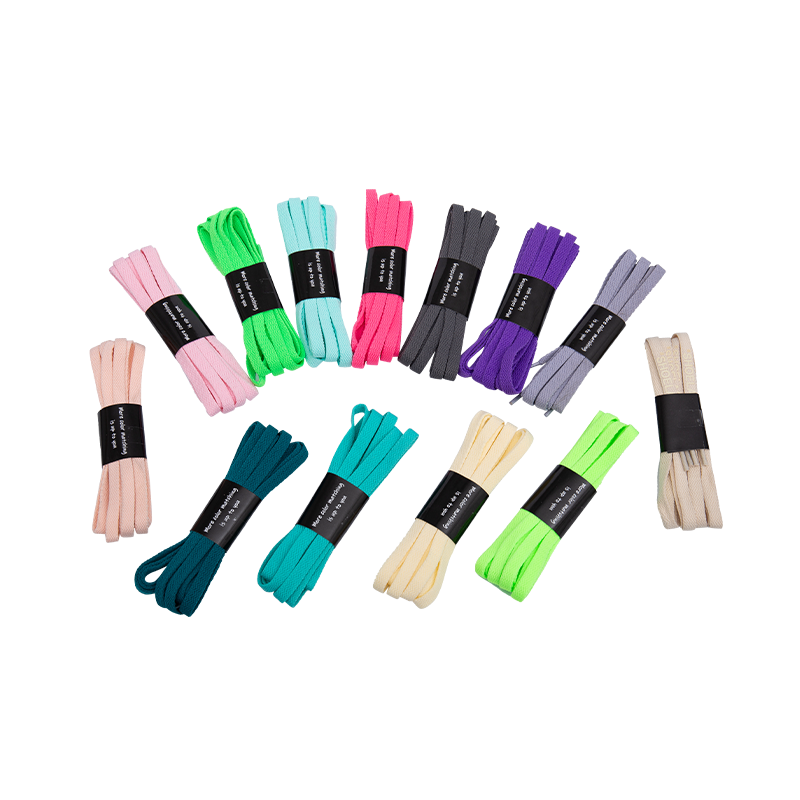
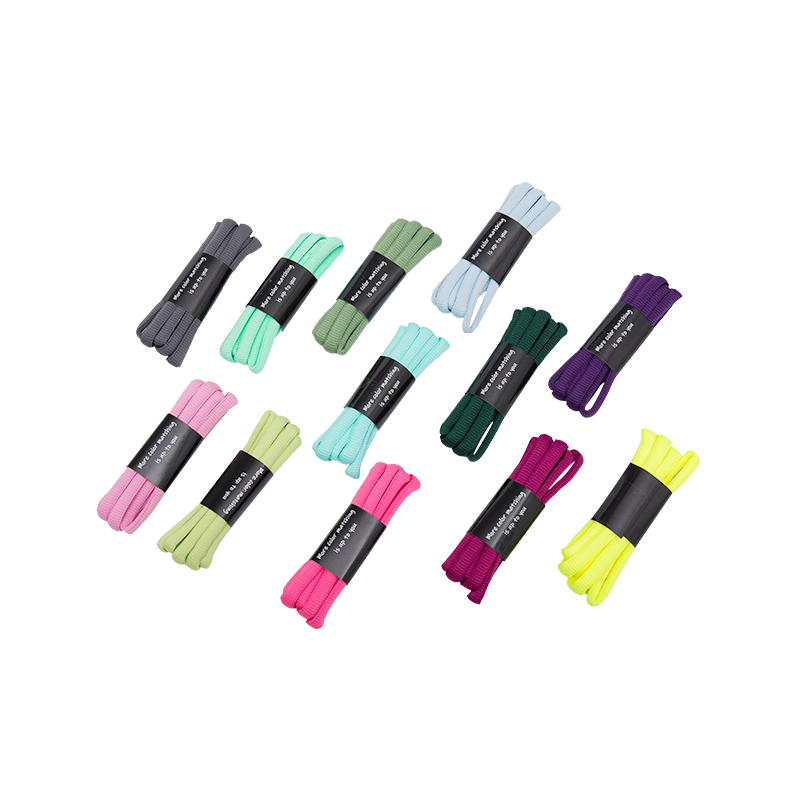
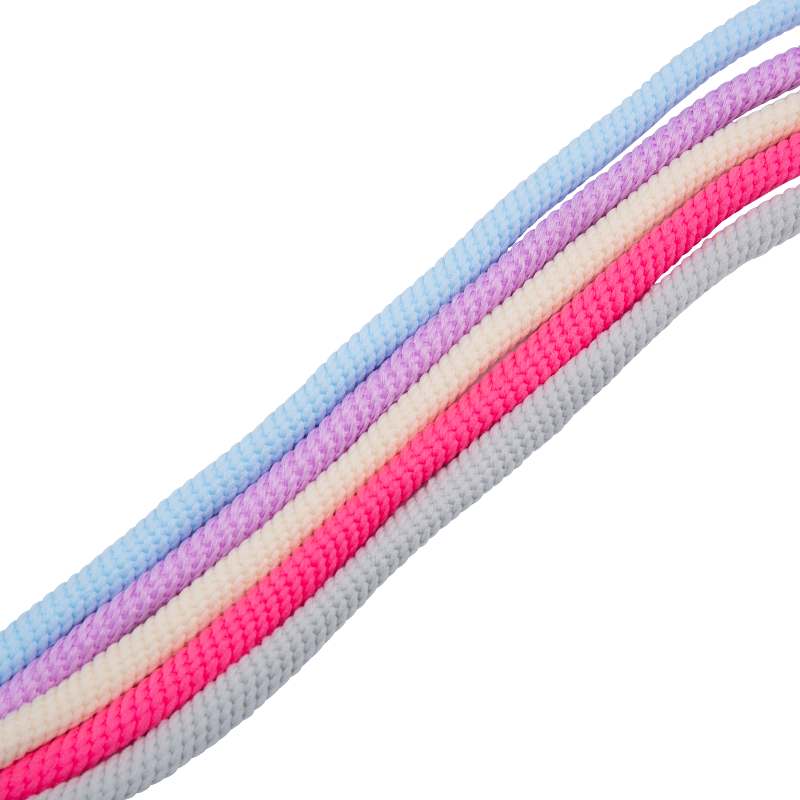
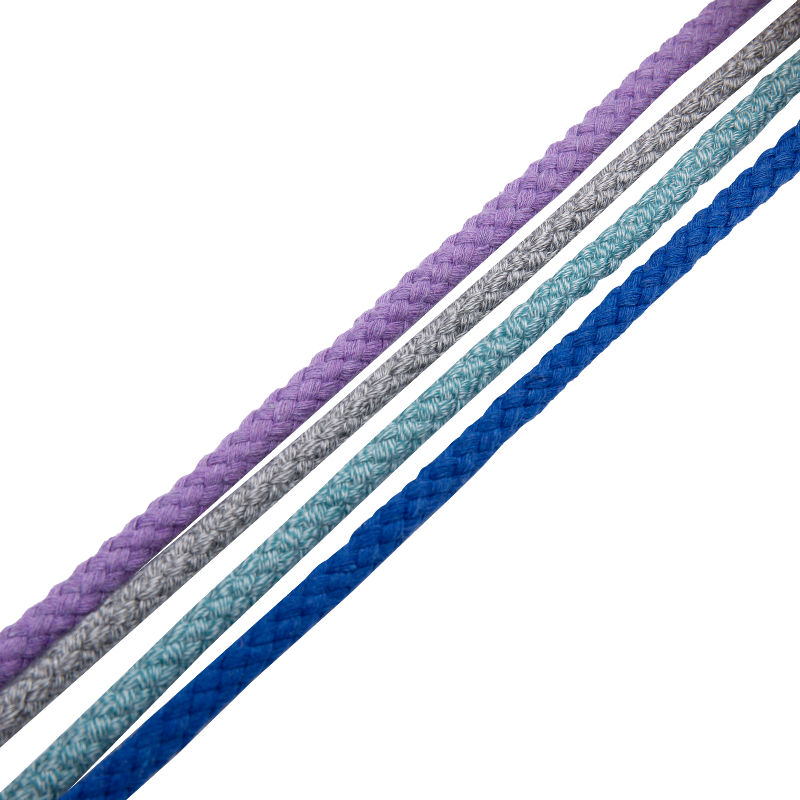
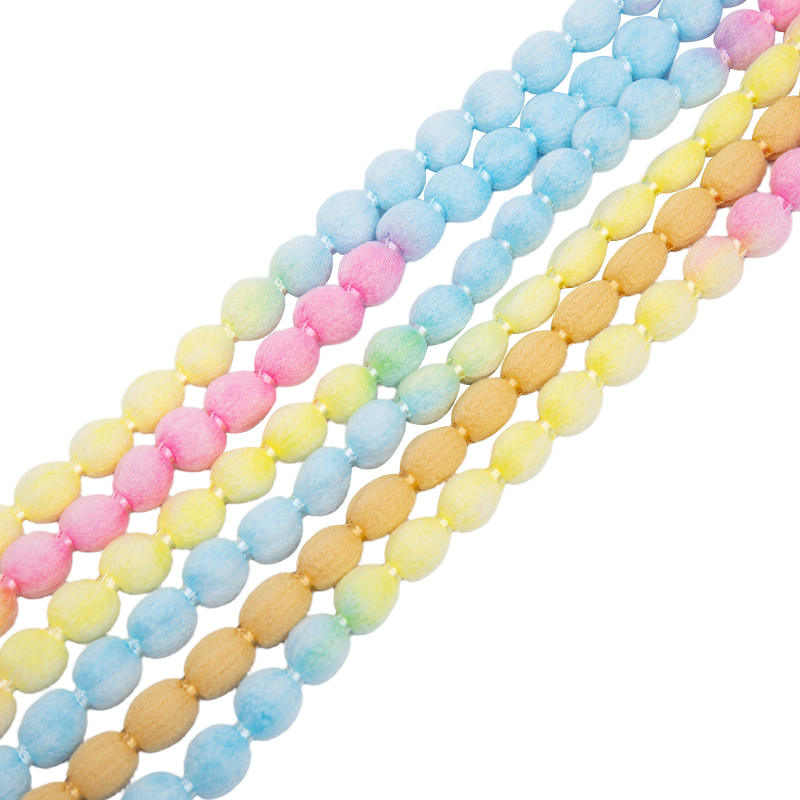
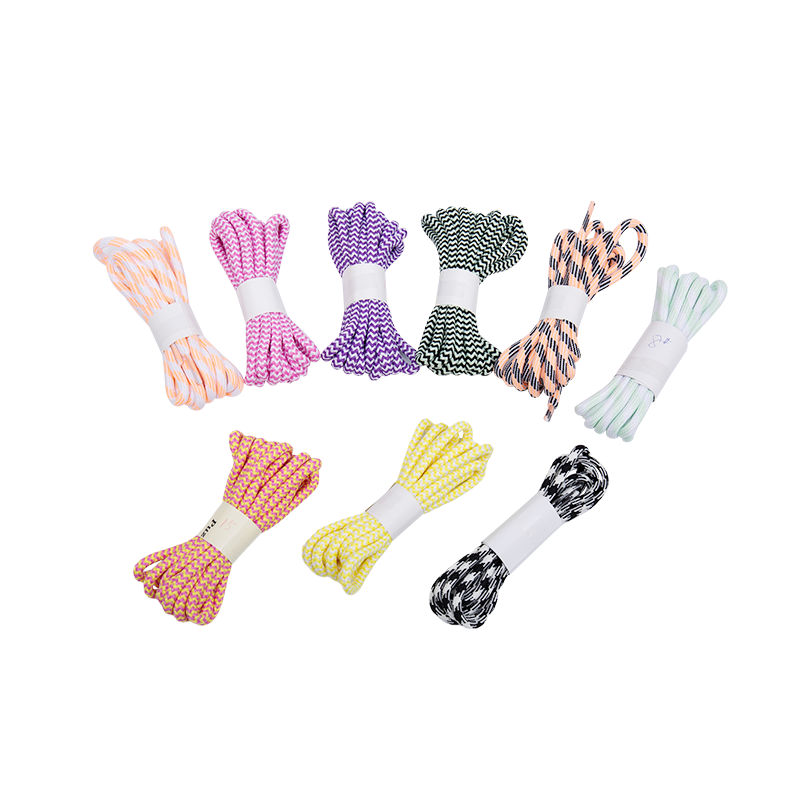
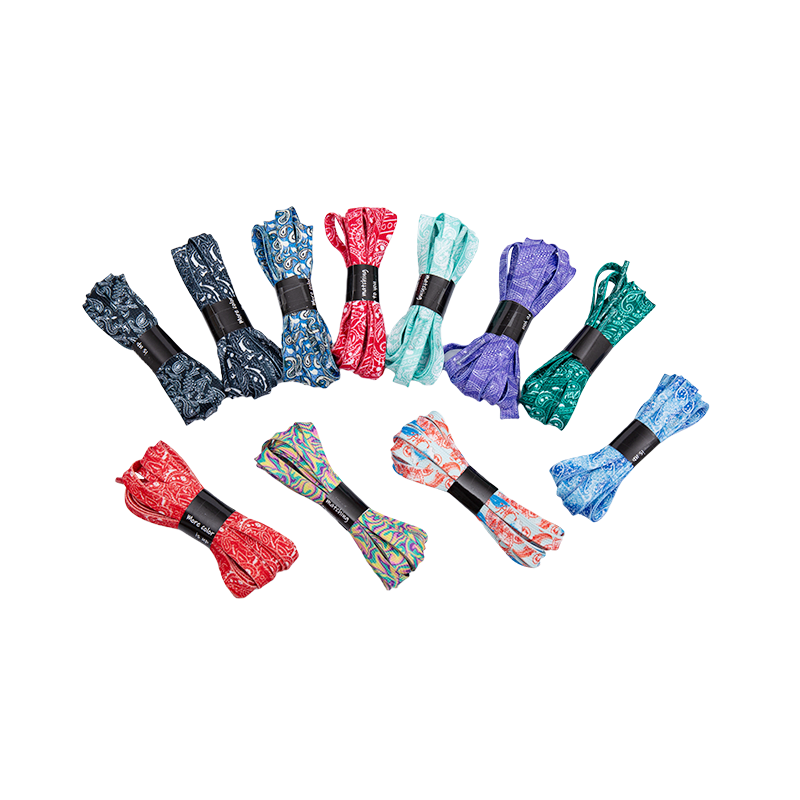
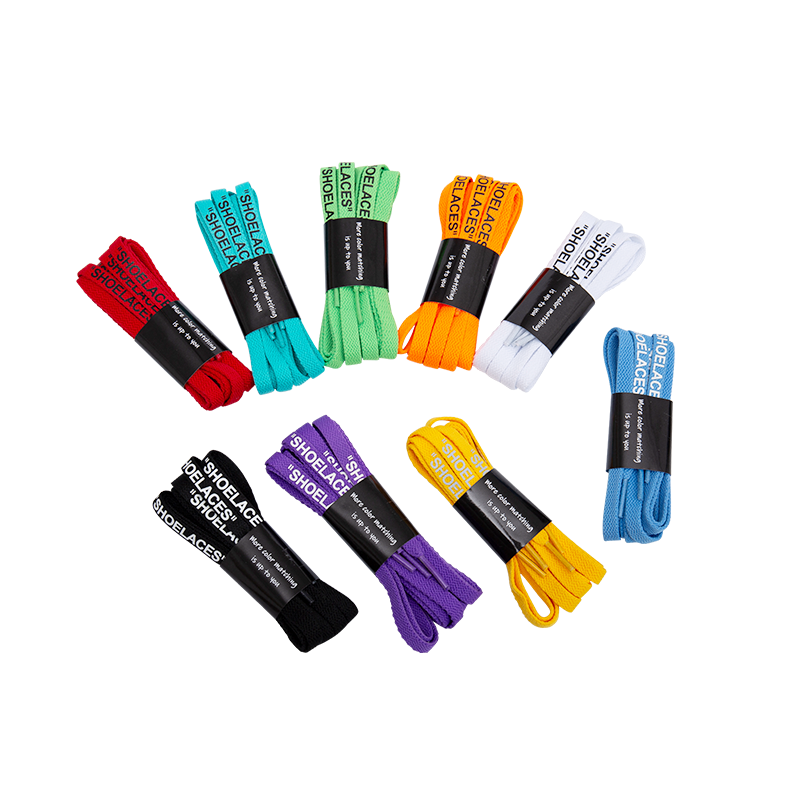
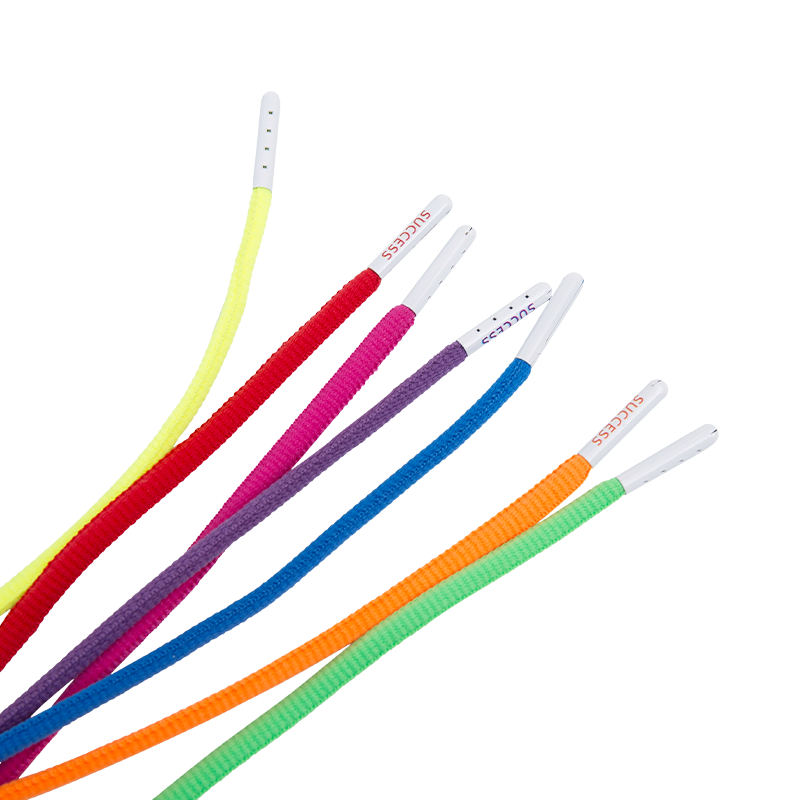
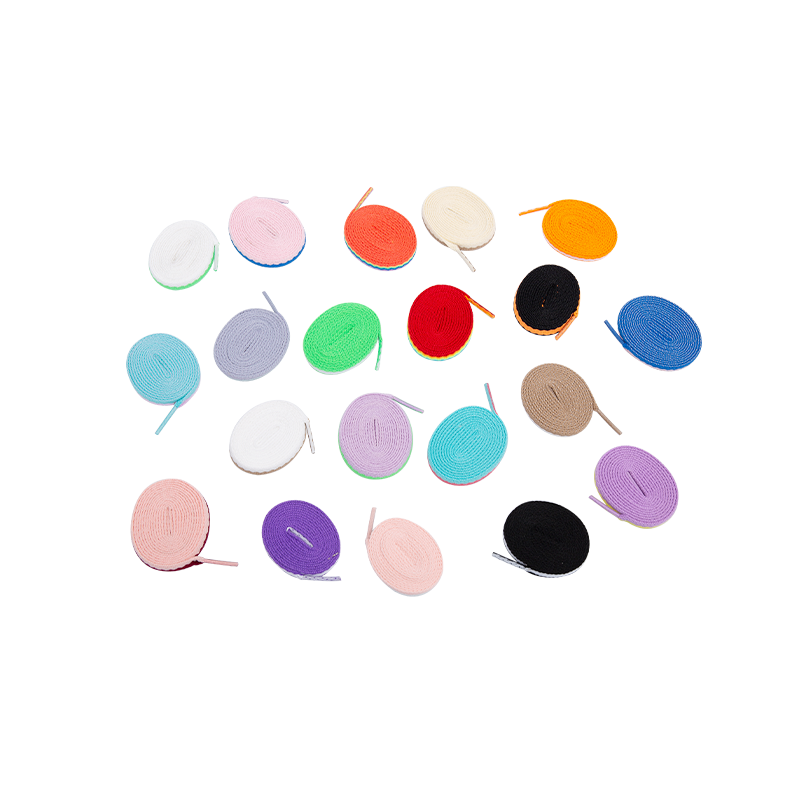

Over the years, we have been providing high-quality, safe and reliable products for the clothing and footwear industries.
- Quick Links
- Contact Information
-
-
 NO.137-1 Chenglu Road, Huashi Town, Jiangyin City214421, Jiangsu, China
-
 +86 138-0616-9220
-
 Lhbhzd@126.com
bh@jyribbon.com
sales2@jyribbon.com
-
- Mobile QR Code

