


 English
 русский
 Español
Home / News / Industry News / A Guide to Evaluating a Webbing Manufacturer in China for Long-Term Supply

Industry News
Nov 16,2026
A Guide to Evaluating a Webbing Manufacturer in China for Long-Term Supply
Content
- 1 Start With the Certificates, Not the Price List
- 2 Match the Product Range to Your Bill of Materials
- 3 Score Suppliers on Six Weighted Criteria Before You Compare Prices
- 4 Check the Machine List Against Widths and Lead-Time Arithmetic
- 5 MOQ and Dye-Lot Rules Decide Your Real Landed Cost
- 6 Test Export Readiness in Documents, Not in Assurances
- 7 Four Signals That Predict a Supply Failure Within a Year
- 8 Frequently Asked Questions
A webbing programme rarely fails during sampling. It fails in month fourteen, when the third bulk order of 20 mm herringbone polyester arrives half a shade darker than the first, or when the mill that quoted six weeks quietly subcontracts the dyeing and the ship date slips twice.
Evaluating a webbing manufacturer in China for long-term supply is a documentation exercise before it is a relationship exercise. You are testing whether the factory can repeat one result across years, colours, widths and constructions, and whether it can prove that on paper before the first purchase order is placed.
20+ yrs Continuous weaving operation is the cheapest reliability signal you can screen for.
Std 100 An Oeko-Tex Standard 100 certificate with class and article scope verified.
2 ports Shanghai and Ningbo within road reach keeps inland haulage out of the critical path.
The checks below are ordered by how quickly they eliminate unsuitable suppliers. Work through them in sequence rather than jumping to price.
Start With the Certificates, Not the Price List
Chemical-safety certification is the fastest filter available to a buyer, and Oeko-Tex Standard 100 is the certificate that matters most for apparel and footwear webbing.
A PDF on a supplier page proves nothing on its own. Ask for the certificate number and check four things before you look at anything else:
- Validity date and issuing institute, looked up on the issuing body's own database rather than in the supplier's brochure.
- Product scope, meaning the certificate names webbing, elastic band or laces rather than knitted fabric only.
- Material scope, so the fibre you are buying, whether cotton, polyester, nylon or PP, sits inside the tested article.
- Product class, since Class I covers articles for babies and toddlers and is the strictest band.
Two further documents separate an export-grade mill from an ambitious trading company. A REACH SVHC declaration covers the European market; a CPSIA statement covers children's footwear sold in the United States. If your programme uses organic cotton or recycled polyester, ask for GOTS or GRS transaction certificates per shipment, because those claims are auditable and the paperwork follows the fibre, not the factory.
A valid certificate check means the document number, the issuing body, the article scope and the expiry date all match the product you are buying. Anything less is a marketing asset, not a compliance record.
Match the Product Range to Your Bill of Materials
A long-term partner should weave most of your bill of materials in-house; a supplier that covers eighty per cent and subcontracts the rest adds a second layer of quality risk you cannot audit.
Most Chinese webbing mills publish wide catalogues, and the catalogue is a poor guide on its own. The real question is which families run on their own looms. Walk through the list and mark each one in-house or bought in:
Cotton webbing Ask whether grey cotton comes from a single spinner, and whether mercerised, herringbone and printed constructions run on the same lines.
Polyester webbing Confirm plain, satin, grosgrain and silicone-coated finishes, since coating is often the one step sent outside.
Elastic webbing Woven, knitted and braided elastic behave differently; narrow braided 3 mm to 15 mm is a distinct capability from wide woven band.
Jacquard Computer jacquard looms drive pattern work, so ask how many machines exist and who prepares the pattern files.
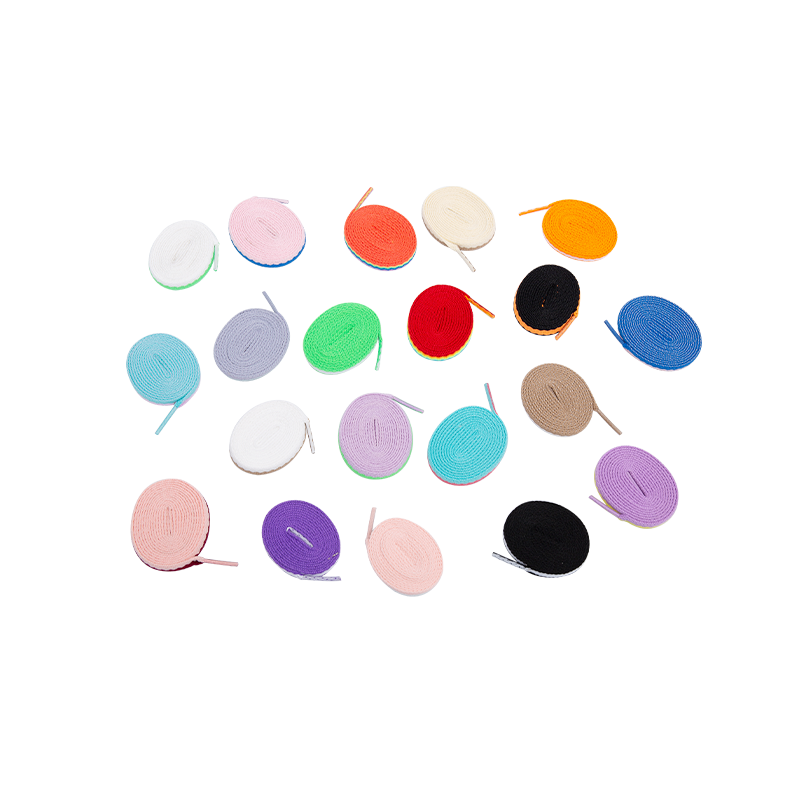
Shoelaces Tipping, aglets and printing are usually separate operations from weaving and need their own quality checks.
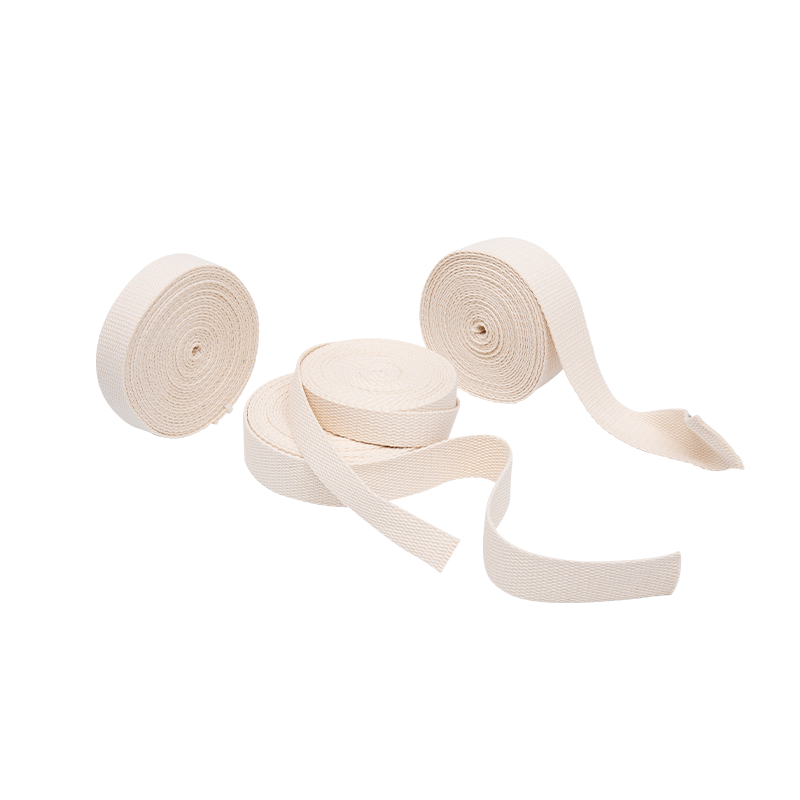 Plain/Flat Cotton Webbing for Bags, Footwear and Industrial UseAvailable in fine, coarse and sparse plain weaves, this cotton webbing suits bags, footwear, home decoration and industrial applications while helping verify in-house weaving.View Product →
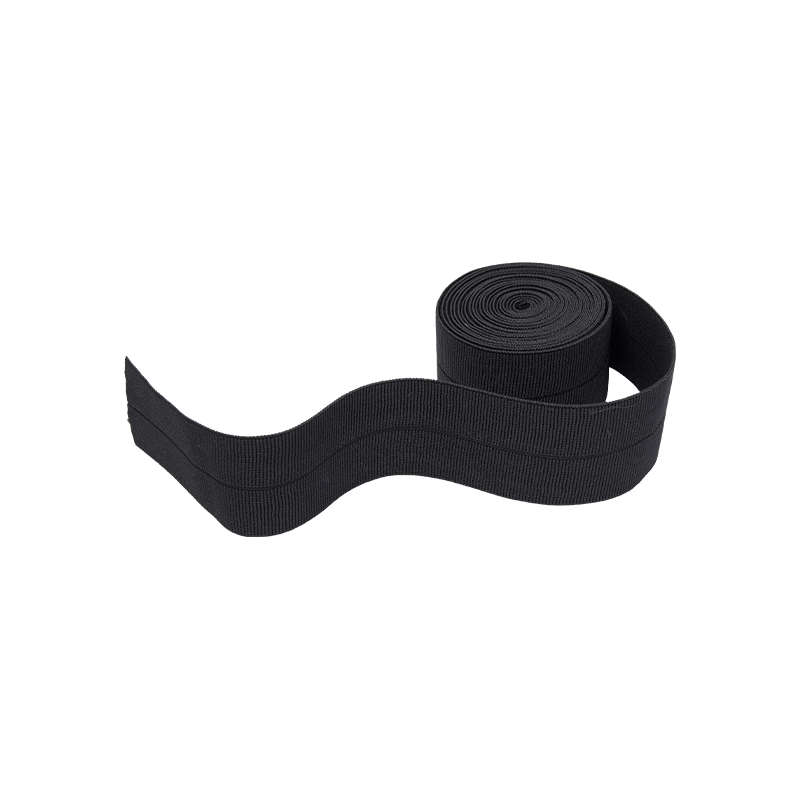 Elastic Webbing for Shoes in Polyester with Multiple FinishesPolyester elastic webbing in widths from 1 cm to 20 cm, with glossy, suede, striped or solid finishes and optional starching for footwear designs.View Product →
Send your bill of materials and ask for a written list of which lines are woven in-house. A single plant covering cotton, polyester, elastic and lacing, such as this Jiangyin City Baihong Weaving Band Co., Ltd. operation, will hold colour consistency across a collection far better than a trader assembling four factories.
Score Suppliers on Six Weighted Criteria Before You Compare Prices
Weighted scoring is what keeps a long-term decision out of the hands of the lowest quote, and these six weights hold up across apparel and footwear programmes.
Supplier score weighting, per cent of total score
Quality systems and test data25
Product range fit20
Capacity and lead-time reliability20
Certification coverage15
Commercial terms and MOQ10
Export documentation10
Price sits inside commercial terms at ten per cent, deliberately under-weighted. A four per cent gap on a thirty-cent item is worth less than one rejected dye lot, and the scorecard makes that visible to your own management when the cheapest quote looks attractive.
| Criterion | Evidence to request | Answer that loses marks |
| Quality systems | Twelve months of colour-fastness and shrinkage reports | We test every order, with no records shown |
| Range fit | Written in-house machine list by product family | Everything is available in our group |
| Capacity | Monthly output in metres per construction, per line | One capacity figure for the whole factory |
| Certification | Certificate number plus issuing-body lookup | Scanned PDF with no number on it |
| Commercial terms | MOQ per colour, per width, and dye-lot surcharge | A single MOQ quoted for the catalogue |
Check the Machine List Against Widths and Lead-Time Arithmetic
Lead-time promises are only as good as the machines and finishing steps behind them, so ask for the machine list before the delivery schedule.
Four equipment groups tell you how complete the process really is:
- Narrow-width looms, which determine the widths you can buy without slitting.
- Jacquard looms, which decide whether patterns are woven in-house or bought in rolls.
- Warping machines, which control tension consistency across a single dye lot.
- Pre-shrinking units, which keep a 20 mm webbing close to 20 mm after a wash cycle.
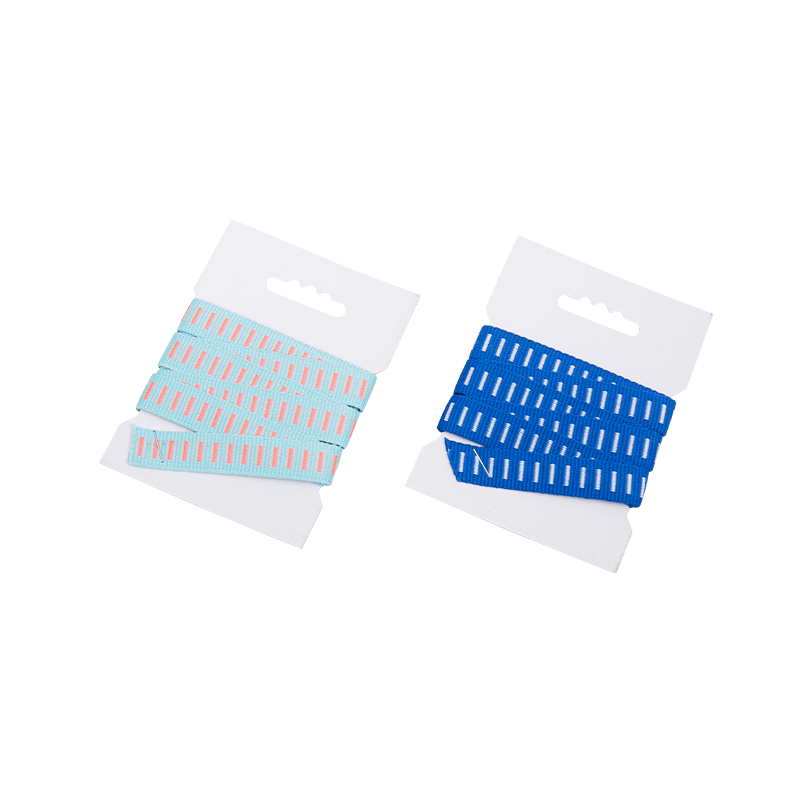 Jacquard Polyester Webbing with Fade-Resistant Colorful PatternsWoven jacquard polyester webbing for detailed, layered patterns, with color fastness described as resisting fading from sun, rain and frequent washing.View Product →
Lead-time sanity check: weaving time, plus dyeing batch cycle, plus finishing, plus inspection, plus inland haulage to Shanghai or Ningbo. If the quote covers weaving alone, it is a production figure dressed up as a delivery date.
Ask for tolerances in writing: width tolerance on woven webbing, elongation and recovery after repeated stretch for elastic, and colour fastness on a grey scale. A mill with its own testing laboratory can send those numbers before the first bulk order; one without will send assurances instead.
MOQ and Dye-Lot Rules Decide Your Real Landed Cost
Minimum order quantity is a cost driver long before it is a negotiation point, because MOQ is set by yarn lot size, dye-lot minimum and loom set-up waste rather than by sales policy.
Lowest unit price
- One dye lot per colour, restocked from a job dyehouse
- MOQ quoted per style, with a surcharge for every width change
- Set-up waste absorbed into the next order's lead time
Stable landed cost
- Fixed dye-lot minimum published in writing
- MOQ quoted per colour and per width, with the surcharge stated
- Pre-shrunk finishing included rather than added later
The full cost chain from raw yarn to finished roll is worth understanding before you negotiate, and this breakdown of cotton webbing cost optimisation (cost breakdown) shows where the money actually sits.
Also settle payment terms, the inspection standard, with AQL 2.5 common for narrow fabrics, and the change-notification rule: any substitution of yarn, dye or finishing must be notified in writing before shipment.
Test Export Readiness in Documents, Not in Assurances
An export-ready webbing manufacturer answers a documentation request in one email, and that answer predicts delivery performance better than any factory tour.
Request a complete sample document set before the first order: commercial invoice, packing list, HS classification for narrow woven fabric, test report, and one freight quotation from the Yangtze Delta to your port. Mills close to Shanghai and Ningbo carry a genuine advantage here, because inland haulage is short and predictable.
Communication cadence matters just as much on a two-year contract. Ask who will answer technical questions, which language they work in, and how fast a colour complaint is answered. A supplier whose export department has run for a decade has a routine; a supplier improvising its first export does not.
Four Signals That Predict a Supply Failure Within a Year
Most long-term failures are visible at the audit stage, and these four signals repeat more than any others.
Certificates without numbers A PDF that cannot be looked up in the issuing body's database is a claim, not a record.
One MOQ for everything Real mills price per colour and per width because their costs are per dye lot.
No in-house testing laboratory If colour fastness is judged by eye, your second order will differ from your first.
Subcontracted dyeing with no named partner Shade drift and slipped delivery dates trace back to this more often than to any other cause.
Frequently Asked Questions
How large should the first order from a new webbing supplier be?
Place one production-scale order rather than a small trial. A trial of a few hundred metres hides dye-lot behaviour, loom set-up variation and packing quality; a single commercial order at the smallest full dye lot exposes all three and is the smallest test that predicts bulk performance.
What tolerance should I expect on woven webbing width?
Ask the mill to state the tolerance on the specification sheet, then measure it on the first delivery. Width, thickness and elongation all move with yarn count and finishing, so the number matters less than the fact that both sides document and measure it the same way.
Is Oeko-Tex Standard 100 enough for European customers?
It covers restricted substances in the finished article, which is the first requirement, but it does not replace a REACH SVHC declaration, or a GOTS or GRS transaction certificate when you make an organic or recycled claim. Treat each claim as a separate document to verify.
Should I visit the factory before signing a long-term agreement?
Visit after the documents check out, not instead of it. The audit answers whether the process is controlled; the visit confirms the machine list, the testing laboratory and the finishing lines that the documents describe.
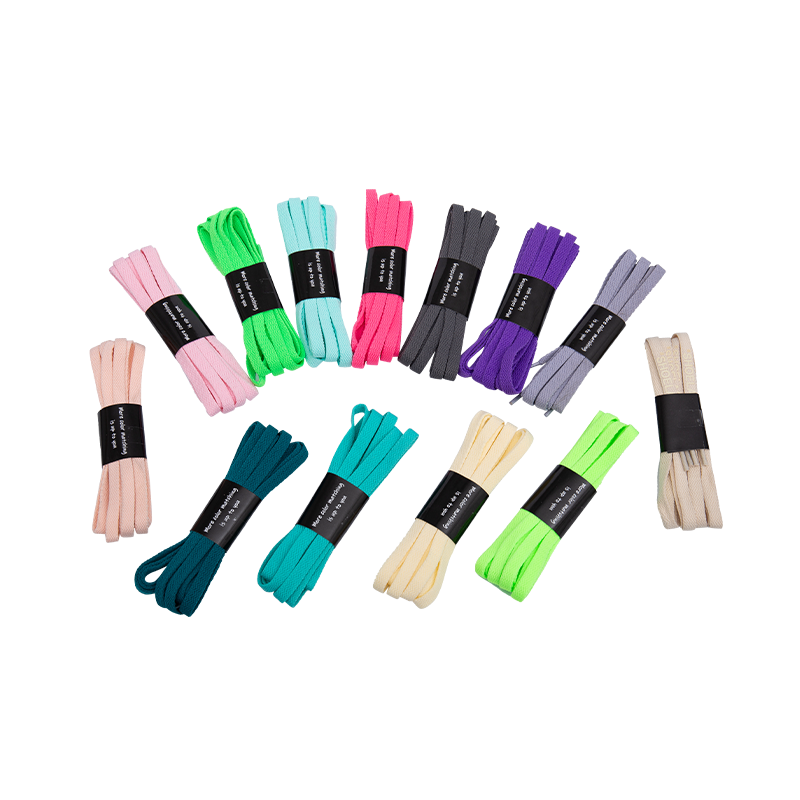
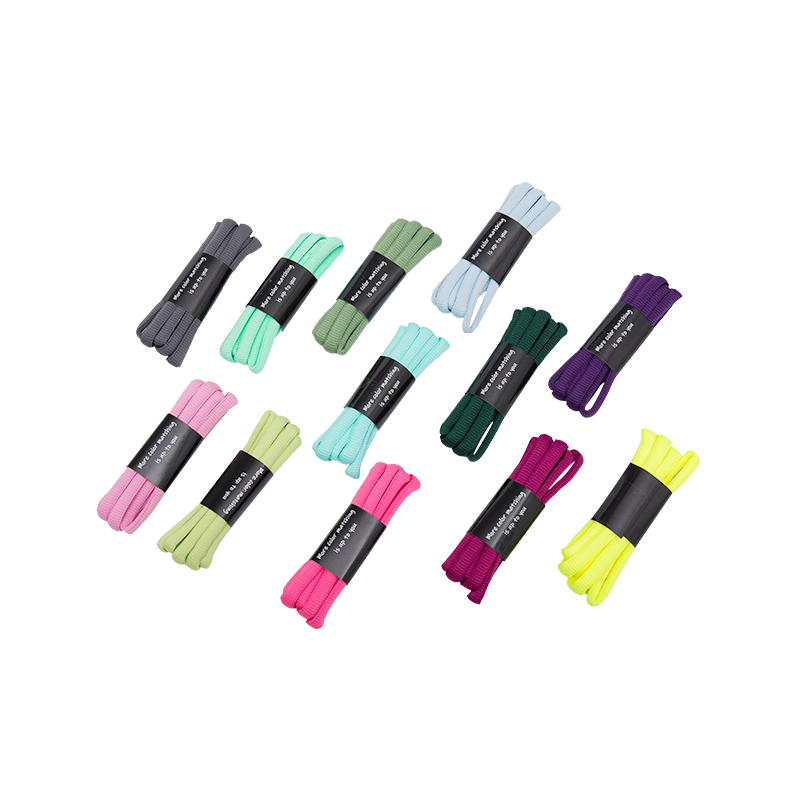
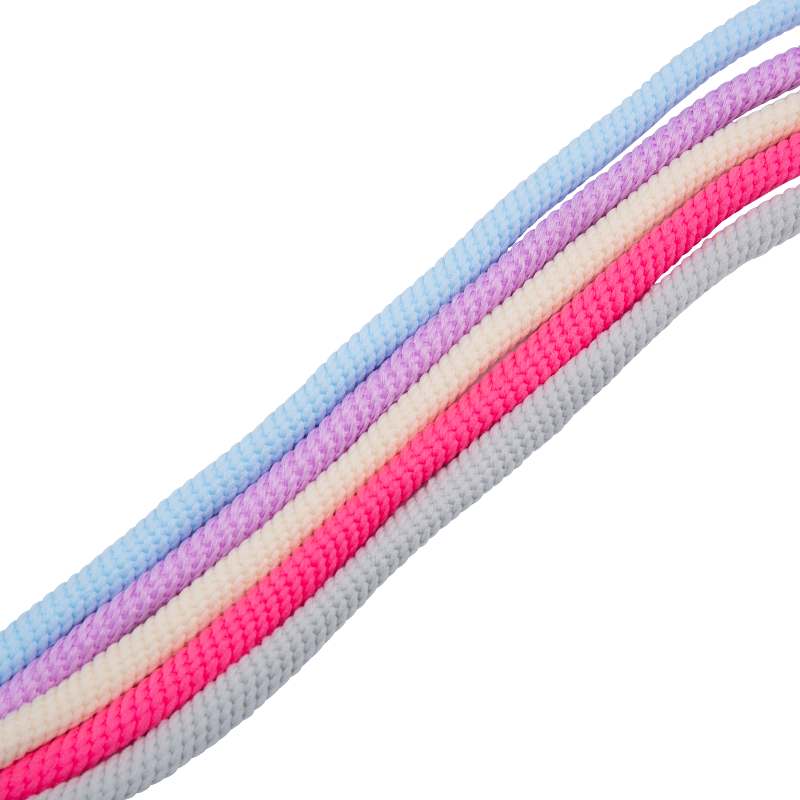
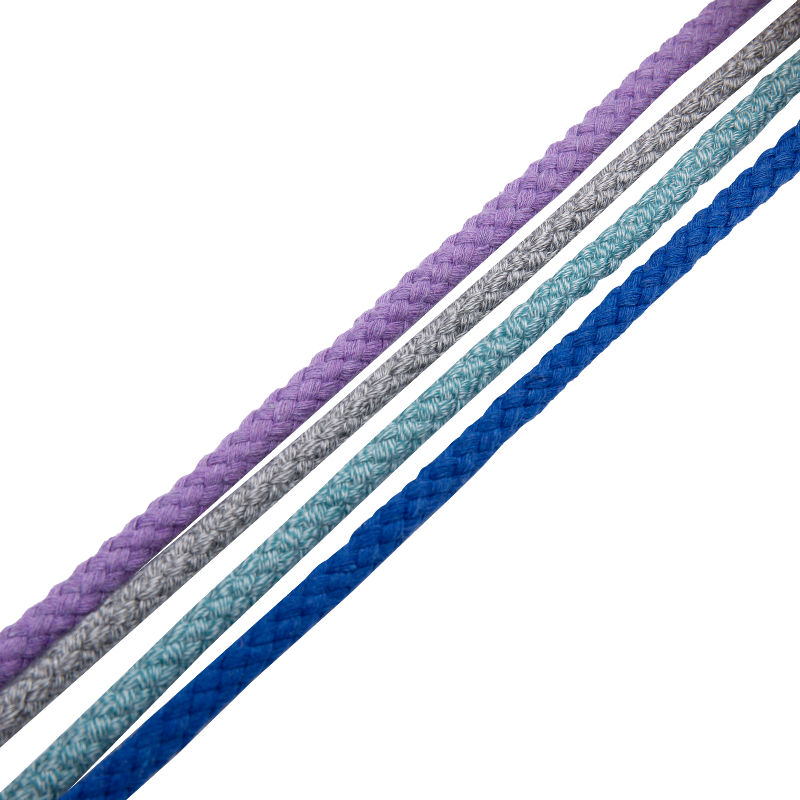
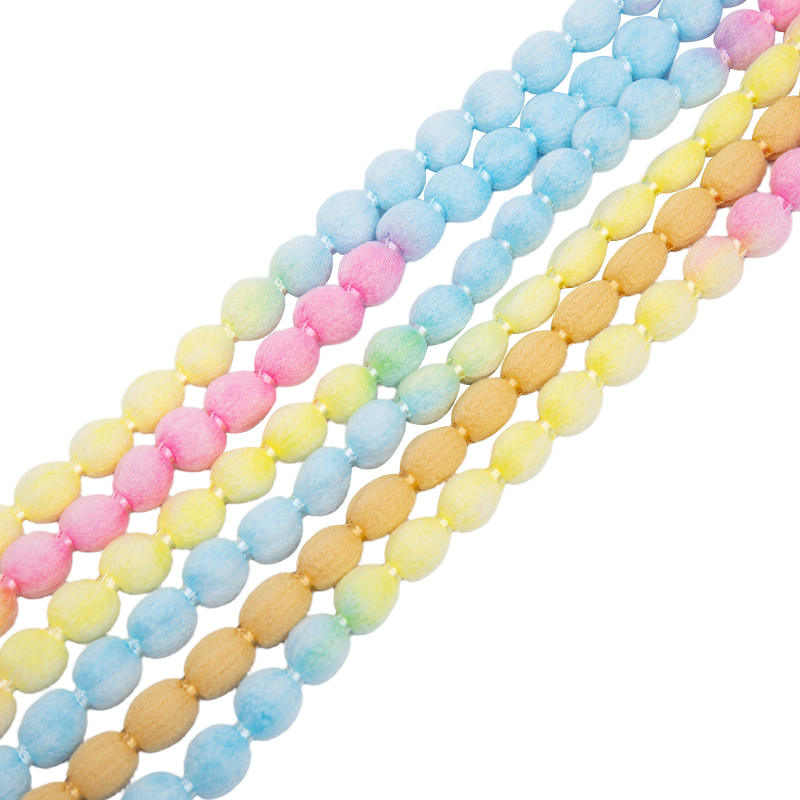
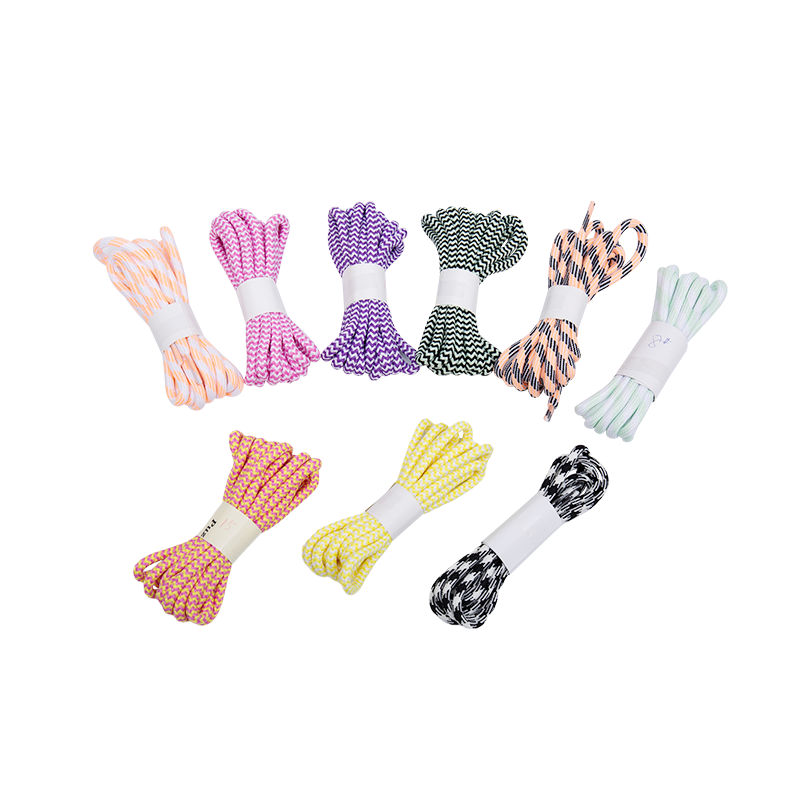
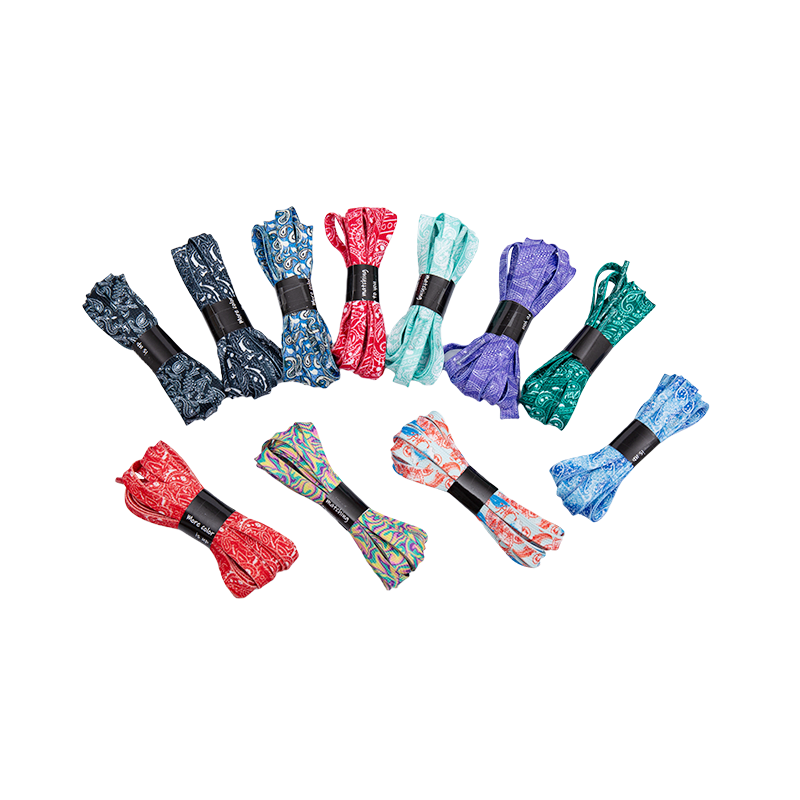
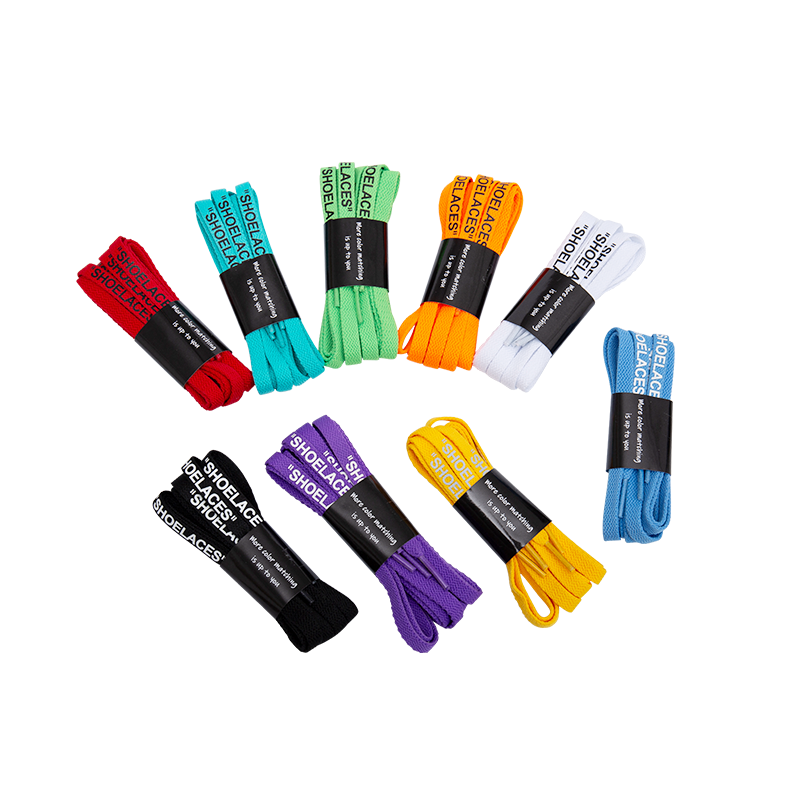
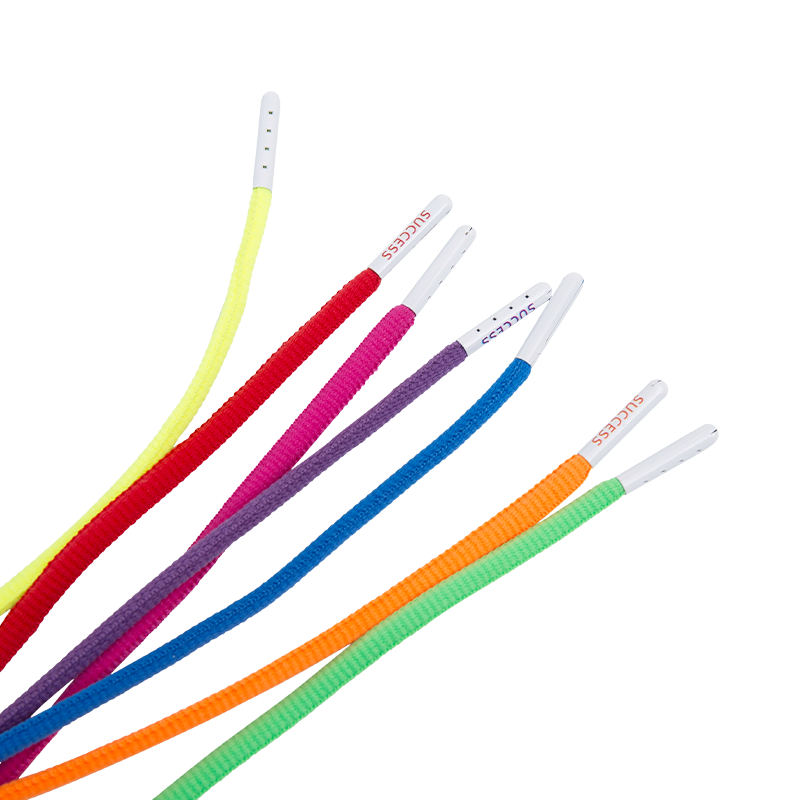

Over the years, we have been providing high-quality, safe and reliable products for the clothing and footwear industries.
- Quick Links
- Contact Information
-
-
 NO.137-1 Chenglu Road, Huashi Town, Jiangyin City214421, Jiangsu, China
-
 +86 138-0616-9220
-
 Lhbhzd@126.com
bh@jyribbon.com
sales2@jyribbon.com
-
- Mobile QR Code

