Content
In the intricate world of garment manufacturing and textile design, the selection of trims and bindings is a critical decision that directly influences the final product's quality, comfort, and aesthetic appeal. Among the myriad of options available, elastic for binding stands out as an essential component for creating functional, durable, and comfortable apparel. This versatile material, designed specifically for edge finishing on garments such as waistbands, cuffs, necklines, and hemlines, offers a unique combination of controlled stretch, breathability, and design versatility. This article provides a detailed technical analysis of elastic binding, exploring its construction, performance characteristics, and the advantages it holds over other edge-finishing methods.
This comprehensive guide is intended for apparel designers, product developers, garment manufacturers, and procurement specialists who seek to understand the nuances of high-performance binding materials. We will delve into the science behind its stretch and recovery properties, the engineering of its breathable construction, and its critical role in ensuring both wearer comfort and garment durability. Understanding these elements is essential for making an informed sourcing decision that enhances the quality and functionality of apparel lines.
The core functionality of elastic for binding lies in its precise engineering of stretch and recovery. This material is typically constructed from a woven elastic webbing, often incorporating spandex fibers which are renowned for their exceptional elasticity. The primary purpose of this binding is to provide a secure yet comfortable fit around curved or straight garment edges. When applied to a waistband, for example, the binding stretches to accommodate the wearer's body, and then reliably recovers its original shape, ensuring the garment maintains its intended fit over time. This controlled tension is critical for preventing gapping, sagging, or uncomfortable tightness that can compromise the garment's wearability.
The quality of the stretch and recovery is a key indicator of the material's performance. High-quality elastic binding provides consistent tension, a characteristic that is directly linked to the material's construction and the quality of its spandex content. The woven structure of the webbing is meticulously engineered to provide uniform stretch distribution across the entire length of the binding. This ensures that the garment edges lie flat and smooth, without unsightly rippling or distortion. The reliable recovery is equally crucial, as it ensures that the binding's elastic properties are maintained through repeated stretching and laundering, contributing to the garment's overall longevity.
The breathable construction of this binding is another significant performance advantage. Unlike some solid materials, the woven nature of the webbing, especially when composed of synthetic fibers, often permits a degree of air circulation. This reduces moisture accumulation against the skin, enhancing comfort during extended wear. This is particularly beneficial in activewear, fitted garments, and children's apparel, where comfort and hygiene are paramount.
Beyond its stretch and breathability, elastic for binding offers a range of functional advantages that make it a preferred choice for garment manufacturers. Its edge durability is a standout feature. The binding is designed to maintain its structural integrity through the rigors of the manufacturing process and the demands of everyday wear. It resists edge curling and fraying, ensuring a clean, professional finish that lasts. This durability is a testament to the quality of its construction and the selection of robust materials, such as high-grade synthetic fibers.
The application versatility of this binding is another key benefit. It is suitable for a wide range of garment types and applications, including pant waistbands, sleeve cuffs, skirt hemlines, and neckline bindings. Its ability to conform to both straight and curved contours makes it an invaluable tool for designers, allowing them to use a single, reliable material across various parts of a garment. This versatility streamlines the production process and ensures consistent quality across the entire apparel line.
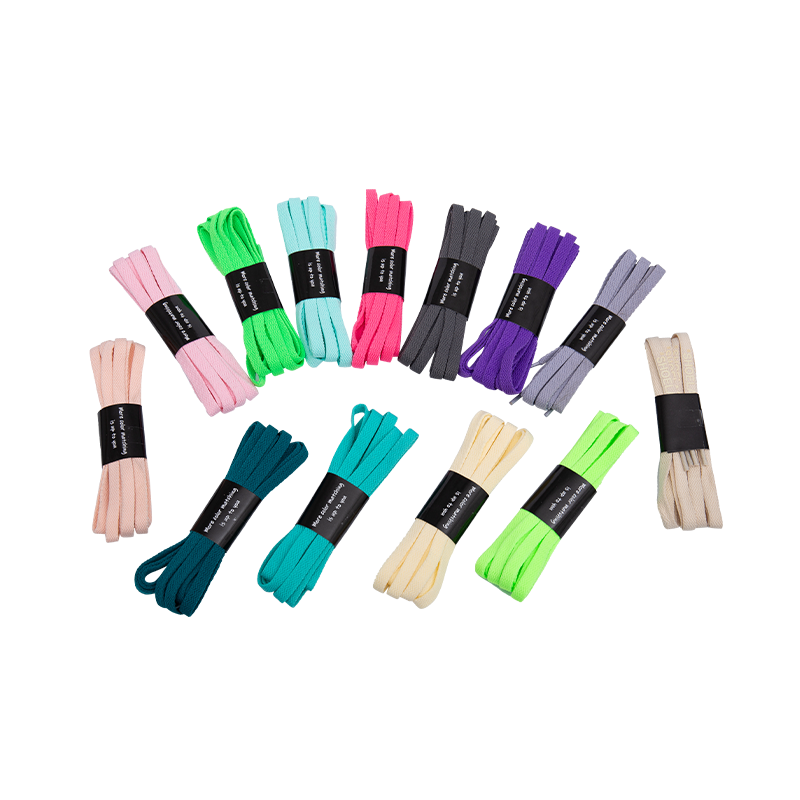
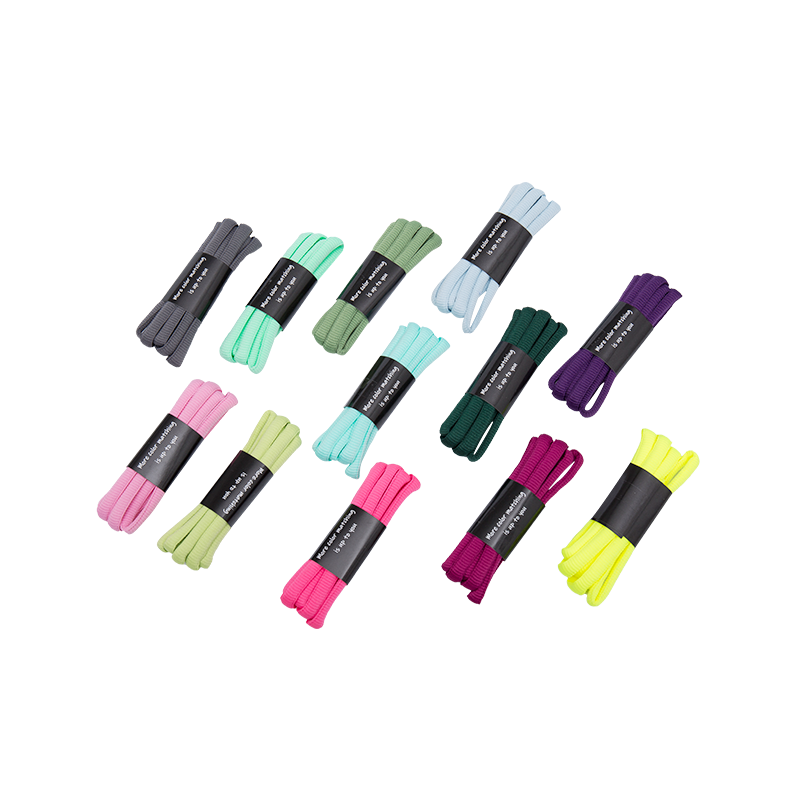
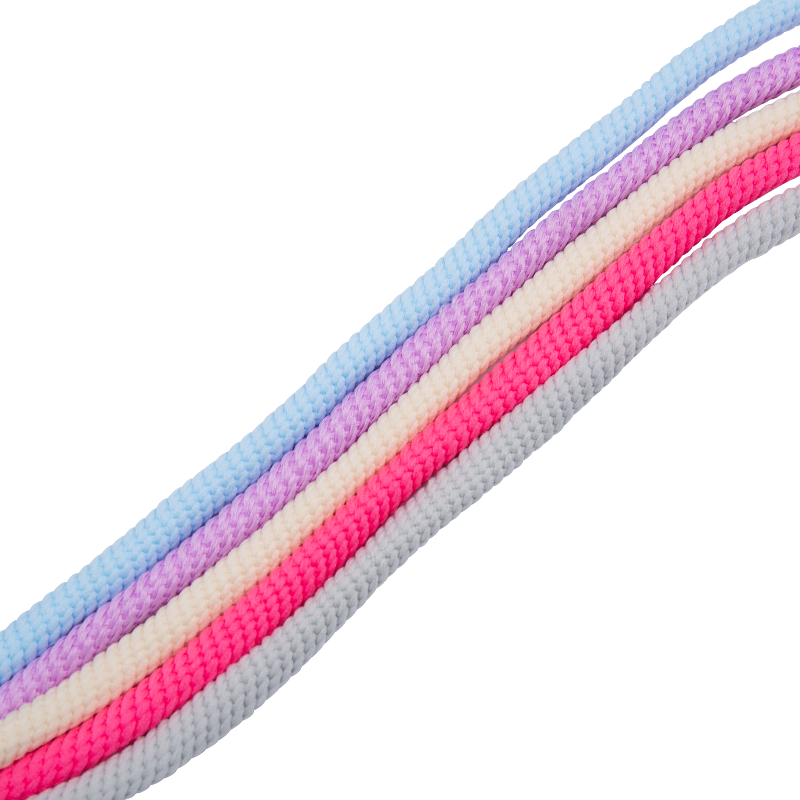
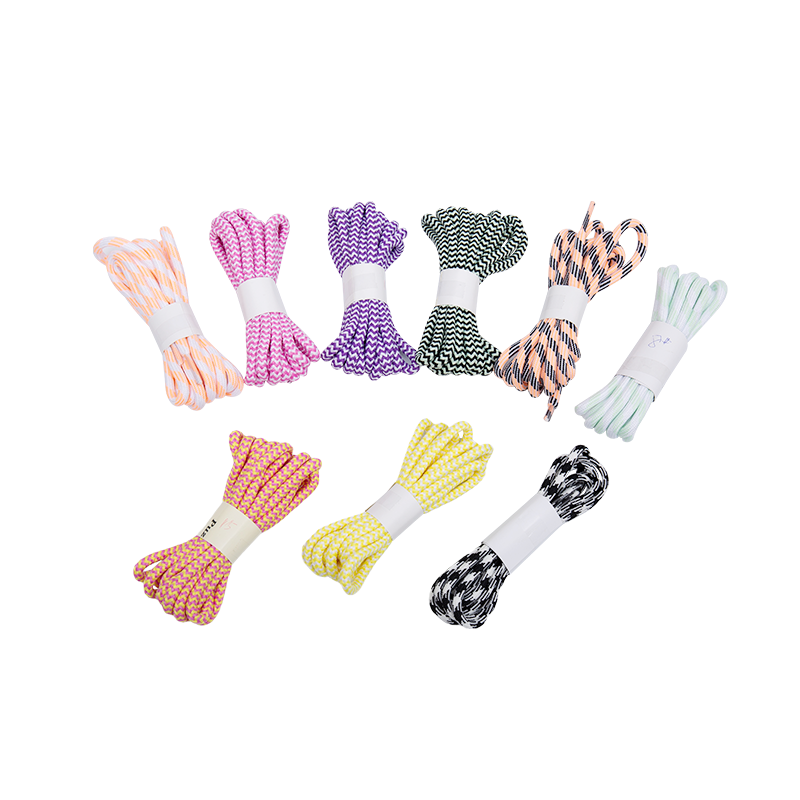
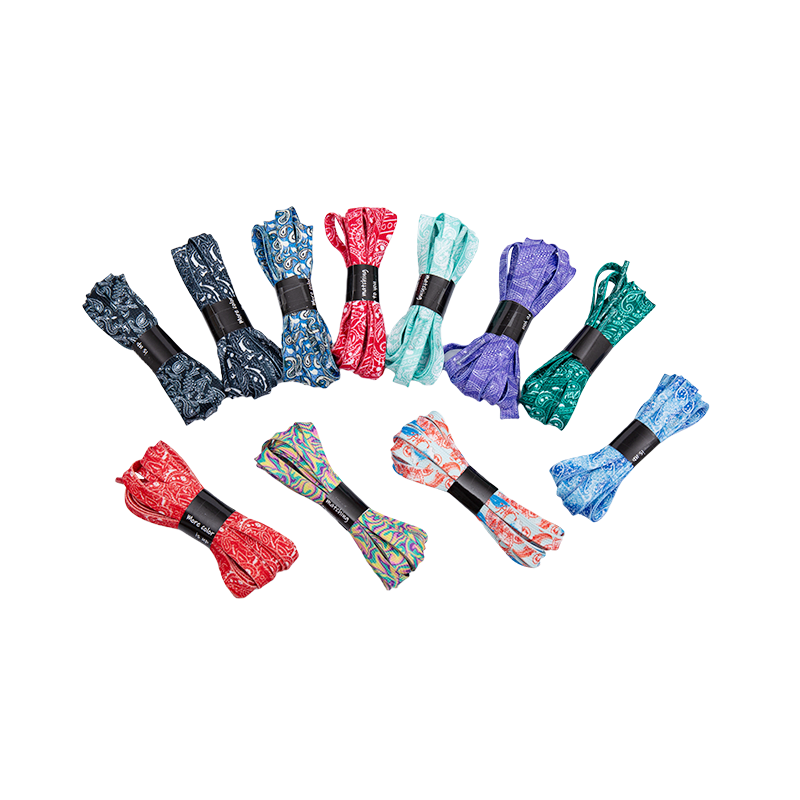
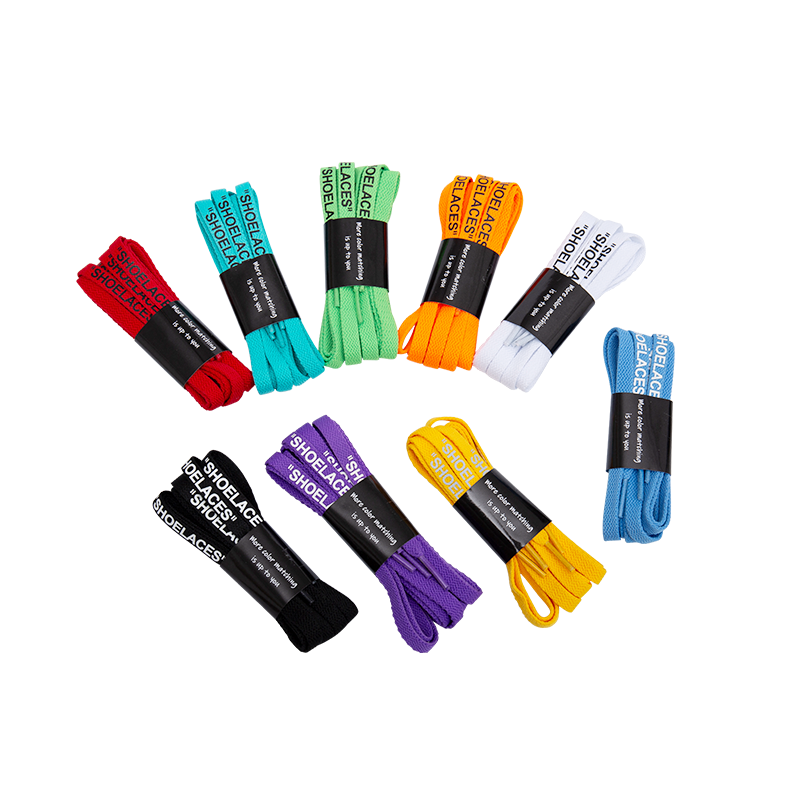
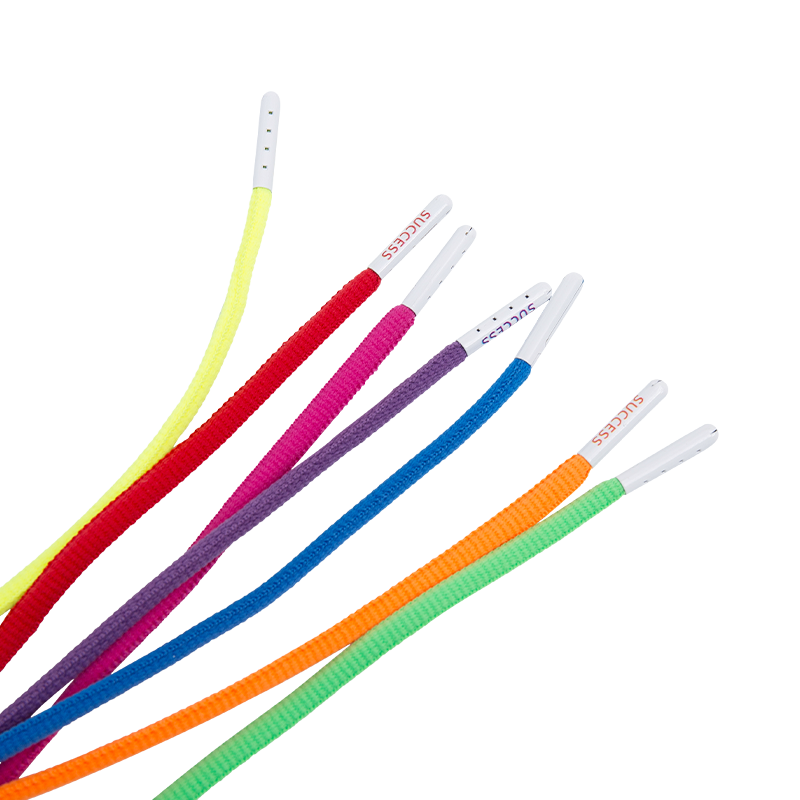
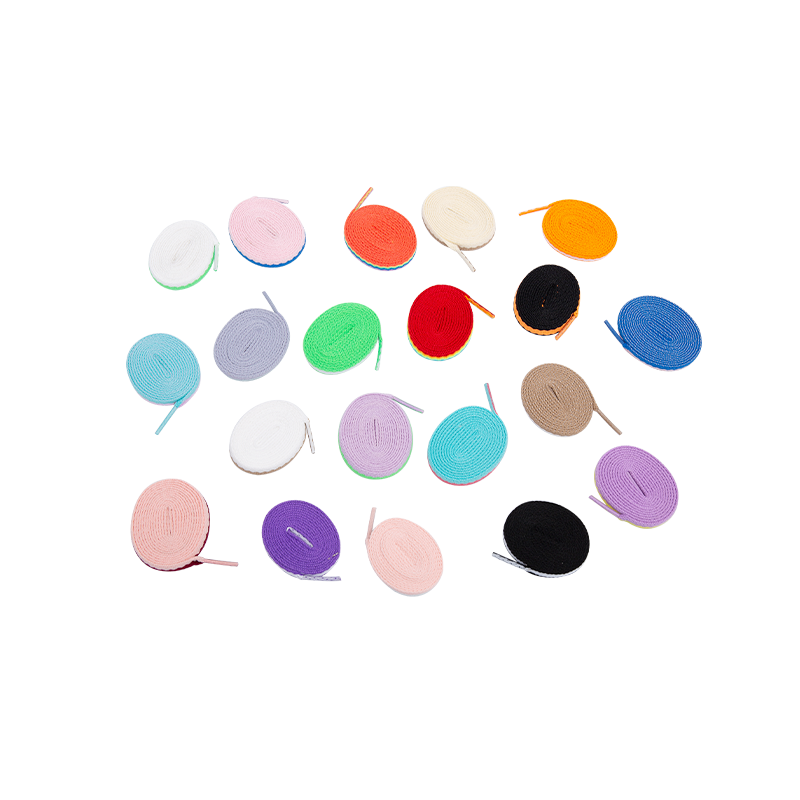
Furthermore, the wide range of color options available in elastic binding adds a significant dimension to design. The availability of multiple shades allows designers to coordinate the binding with the main fabric, creating a seamless and polished look, or to use it as a contrasting trim to add a vibrant visual element. This ability to customize the binding enhances both the functionality and the aesthetic appeal of the final garment, making it a powerful tool for branding and design differentiation.
To fully appreciate the value of elastic binding, it is useful to compare it against other common materials used for garment edge finishing. The choice between an elastic binding, a non-elastic woven tape, or a knit trim can significantly impact the garment's fit, comfort, and overall quality.
| Feature | Elastic Binding | Non-Elastic Woven Tape | Knit Trim |
|---|---|---|---|
| Stretch & Fit | Excellent; provides controlled stretch and recovery for a secure fit. | None; offers no give, resulting in a rigid finish. | Good; but can be less durable and prone to stretching out. |
| Edge Durability | High; resists curling and maintains integrity through repeated laundering. | High; durable but can fray. | Moderate; can lose elasticity and shape over time. |
| Comfort | Excellent; breathable and flexible for enhanced wearer comfort. | Moderate; can be stiff and less comfortable. | Good; but may be less breathable. |
| Design Versatility | High; can be used for waistbands, cuffs, and hems. | Moderate; best for decorative purposes. | Moderate; often used for specific applications like necklines. |
| Aesthetic Flexibility | High; available in a wide range of colors. | High; available in many patterns. | Moderate; more limited in finishes. |
| Best Application | Waistbands, cuffs, and any edge requiring flexibility and fit. | Decorative trims, waistbands in casual wear. | Collars, cuffs, and hems on knits. |
As the table illustrates, elastic binding offers a compelling combination of features that make it a superior choice for functional edge finishing. While a non-elastic woven tape may be durable, it lacks the flexibility needed for a comfortable fit. A knit trim, while stretchy, can be less durable and may not provide the same level of support. Elastic binding excels in its niche, delivering exceptional fit, durability, and comfort, making it an ideal choice for a wide range of high-quality apparel.
The quality of elastic for binding is measured by several key performance indicators. These metrics provide a quantifiable assessment of its suitability for various applications. The following data highlights the material's core capabilities, underscoring its value in the apparel industry.
These metrics demonstrate that the binding is engineered for both performance and aesthetics. Its high elasticity ensures a functional fit, while its breathable construction and color availability allow it to be a versatile and stylish component.
The journey from a roll of elastic webbing to a beautifully finished garment edge is a simple yet precise process. Understanding this workflow illustrates the proper application techniques that ensure the best results. This diagram outlines the step-by-step process, from preparation to final application.
Select the appropriate width and color of elastic binding. Measure the length required for the garment edge, accounting for the desired stretch and finish.
Apply the binding to the garment edge using a binder attachment on a sewing machine. Maintain even tension to prevent rippling or puckering.
Secure the binding with a final stitch. Inspect the finished edge for smoothness, even tension, and a professional appearance.
This structured process ensures that the final product meets stringent quality standards. For a closer look at these components, you can explore the Elastic For Binding options available from leading manufacturers.
Elastic for binding is a versatile material that lends itself to a wide range of apparel applications. Its performance characteristics and design flexibility make it a preferred choice for many different scenarios.
It is ideally suited for pant waistbands, where its stretch and recovery provide a comfortable, reliable fit. It is also an excellent choice for sleeve cuffs, skirt hemlines, and neckline binding, where a flexible and durable finish is required. In sportswear and activewear, its comfort and breathability are key benefits. Beyond standard garments, it can be used in outerwear edge finishing, children's apparel, and in custom garment manufacturing where a consistent, high-quality trim is essential. Its color range makes it a favorite for designers looking to add a functional yet stylish trim to their creations.
The versatility of this binding is a testament to its quality. Its ability to meet the demands of diverse garment types and design requirements makes it a trusted component for manufacturers worldwide.
Proper care is essential for preserving the performance and aesthetic of garments finished with elastic binding. The material is designed to withstand the rigors of regular use and laundering. To maintain its elasticity and shape, it is recommended to wash garments at moderate temperatures (up to 40°C) using a mild detergent. The use of fabric softeners should be avoided, as they can coat the fibers and affect the binding's surface texture and elastic response. Tumble drying on a low heat setting is generally acceptable, but air drying is the best method to preserve the binding's elasticity and extend its life.
This straightforward care approach ensures that the binding remains a durable and functional part of the garment for many years. Its resilience, combined with its comfort and aesthetic appeal, makes it a wise investment for both consumers and manufacturers.
Elastic for binding is a meticulously engineered material that exemplifies the best of modern textile accessory design. Its blend of controlled stretch, breathable construction, and design versatility offers an exceptional balance of performance and aesthetics. The binding's characteristics, defined by its reliable elasticity and wide color palette, provide a sophisticated foundation for creating garments that are both functional and fashionable. Whether for a classic tailored garment or a cutting-edge activewear design, elastic binding represents a leading choice for designers and manufacturers seeking to deliver quality, comfort, and durability.