Elastic For Binding
This elastic binding material is constructed for application along garment edges, waistbands, sleeves, and skirt hemlines. The webbing provides controlled stretch capacity to conform to curved or straight contours while maintaining recovery after extension. The material composition includes spandex fibers, which contribute to the elastic response and shape retention during garment use.
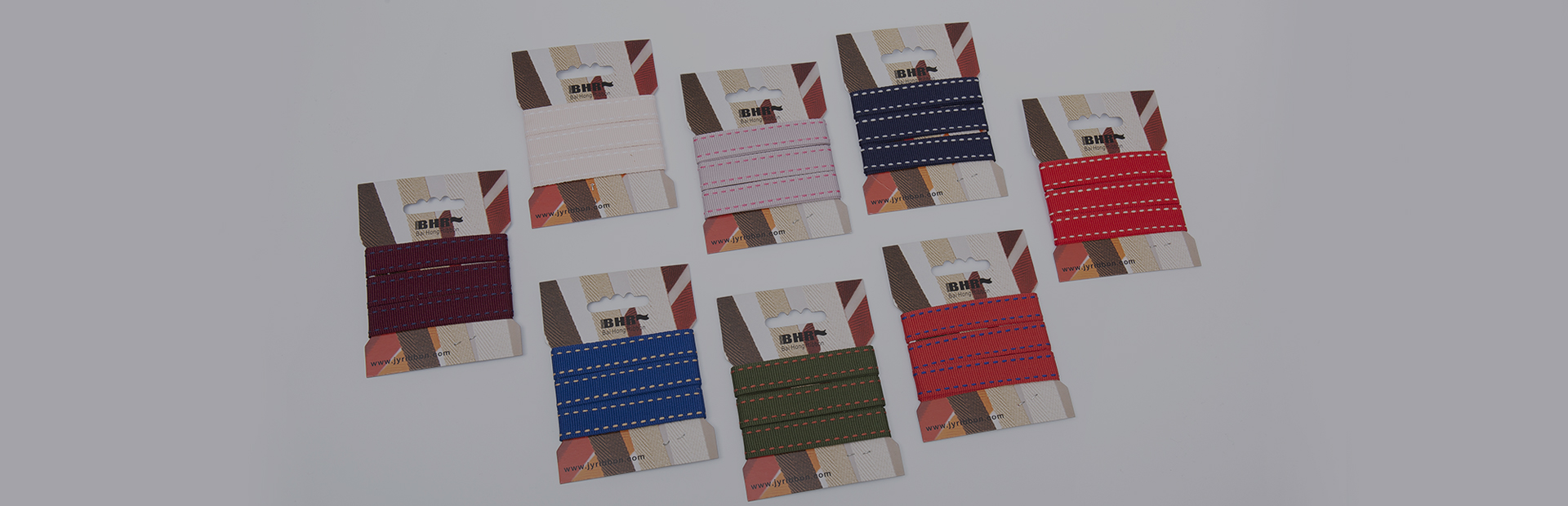
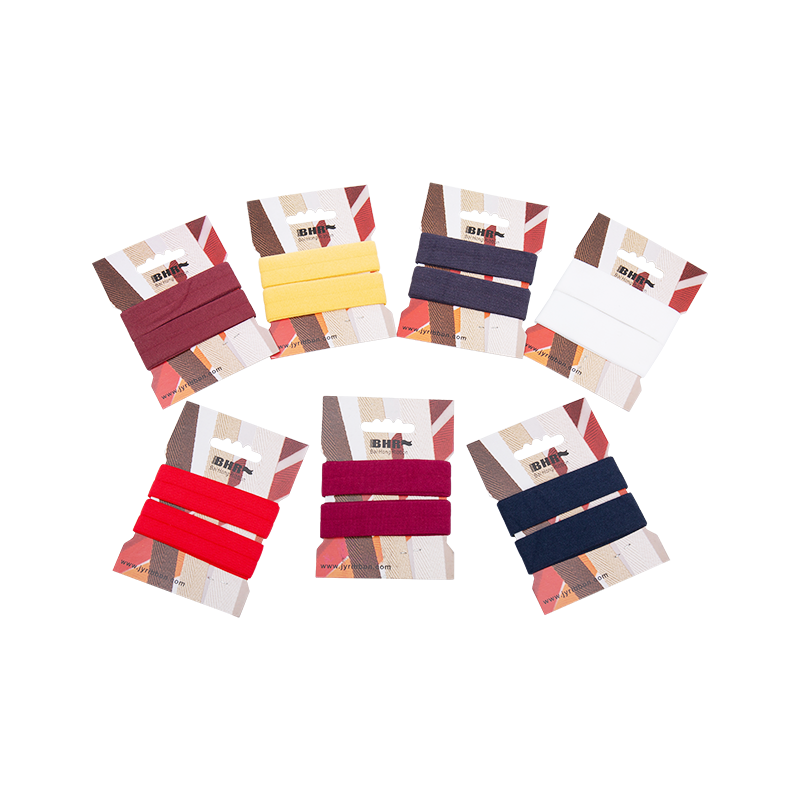
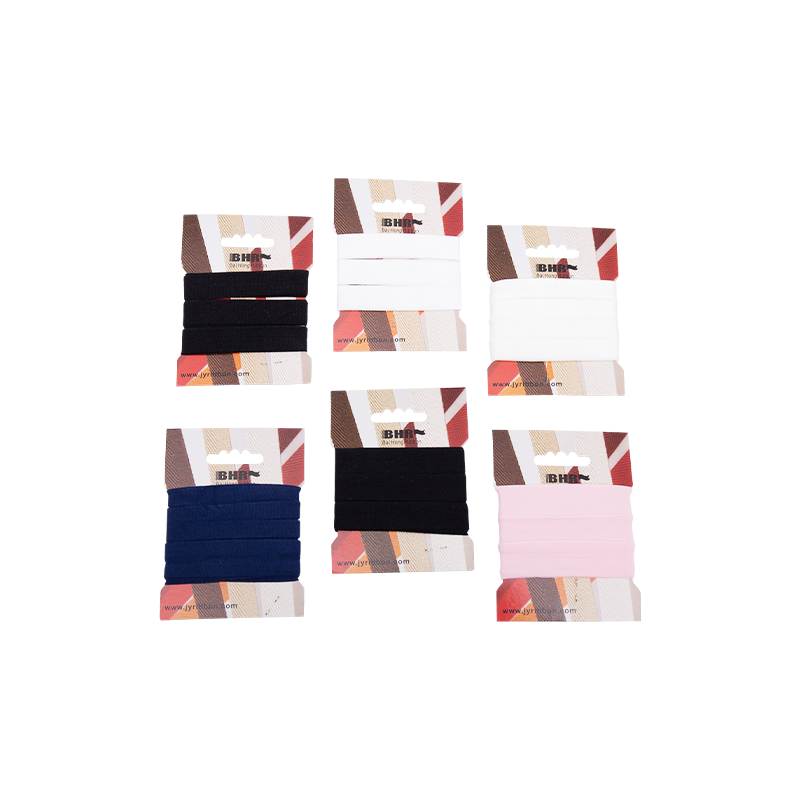
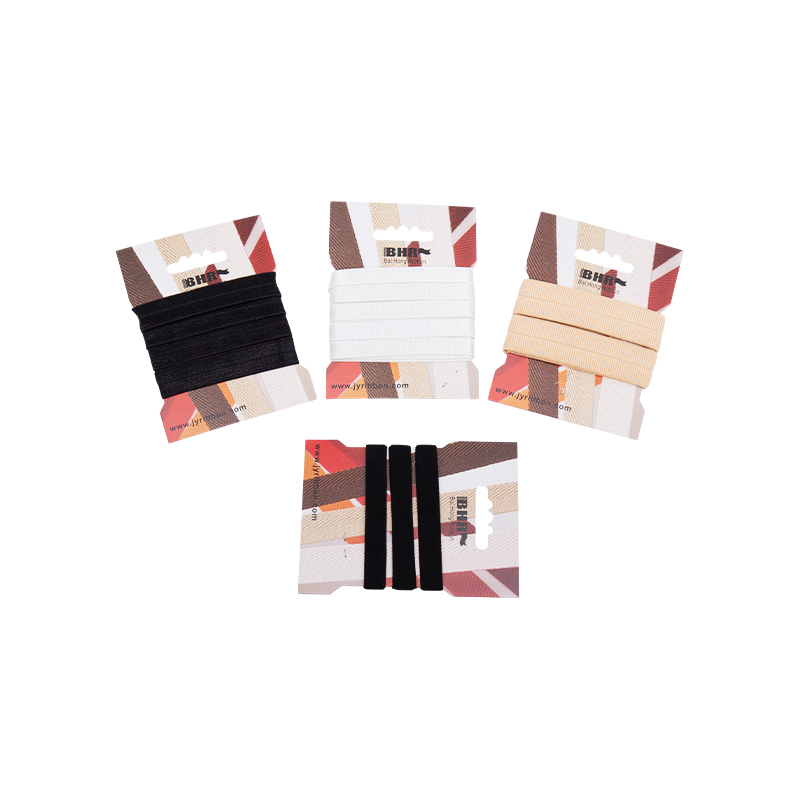
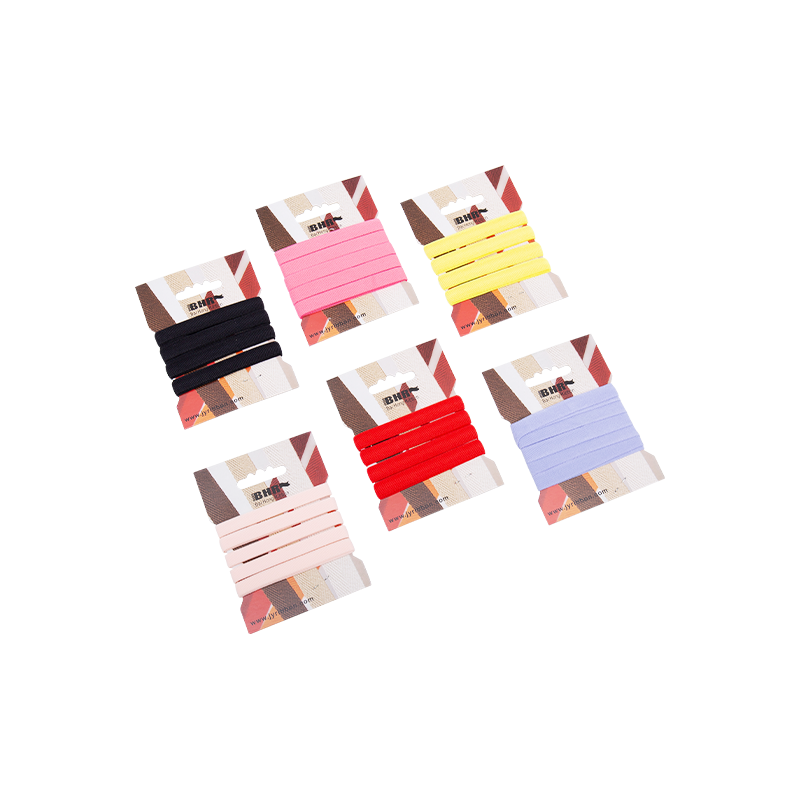
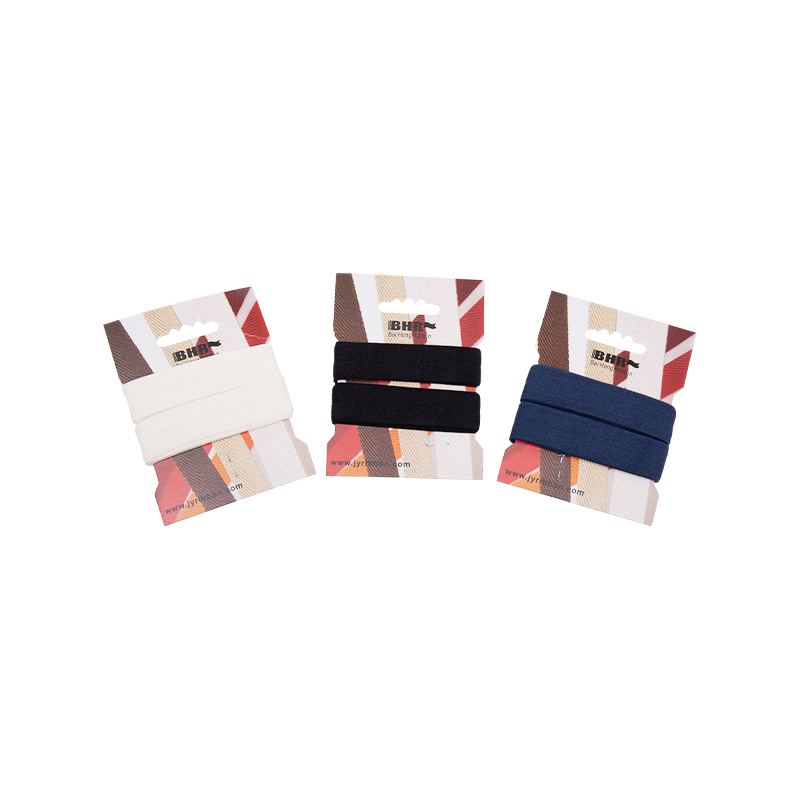
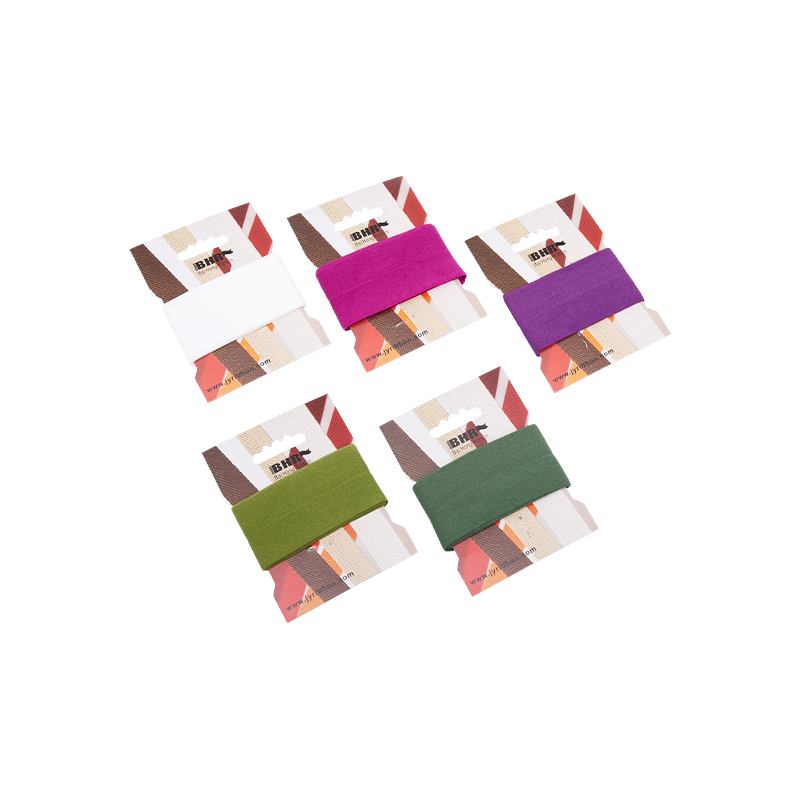
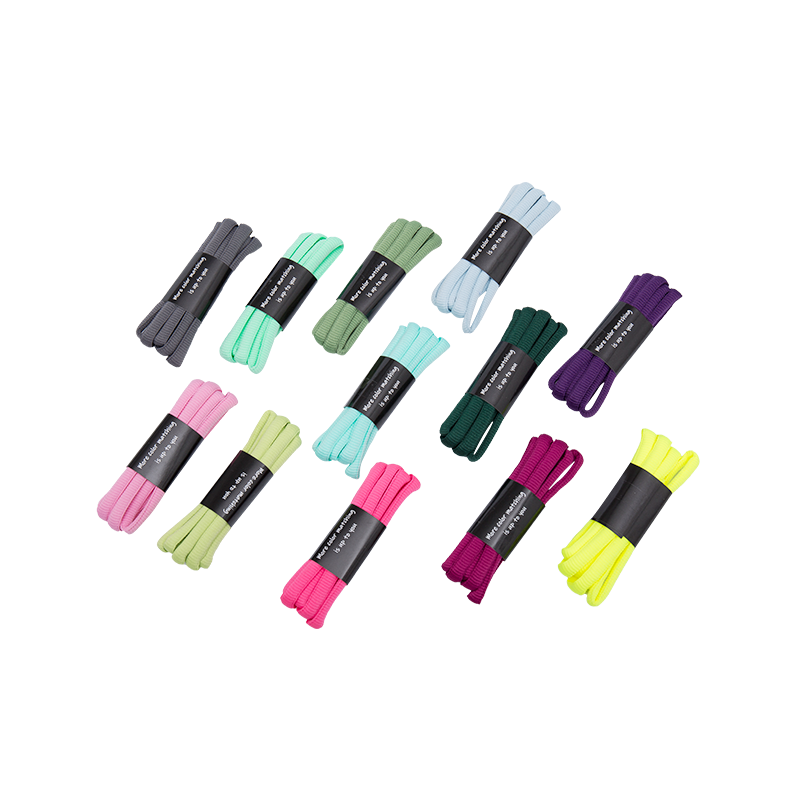
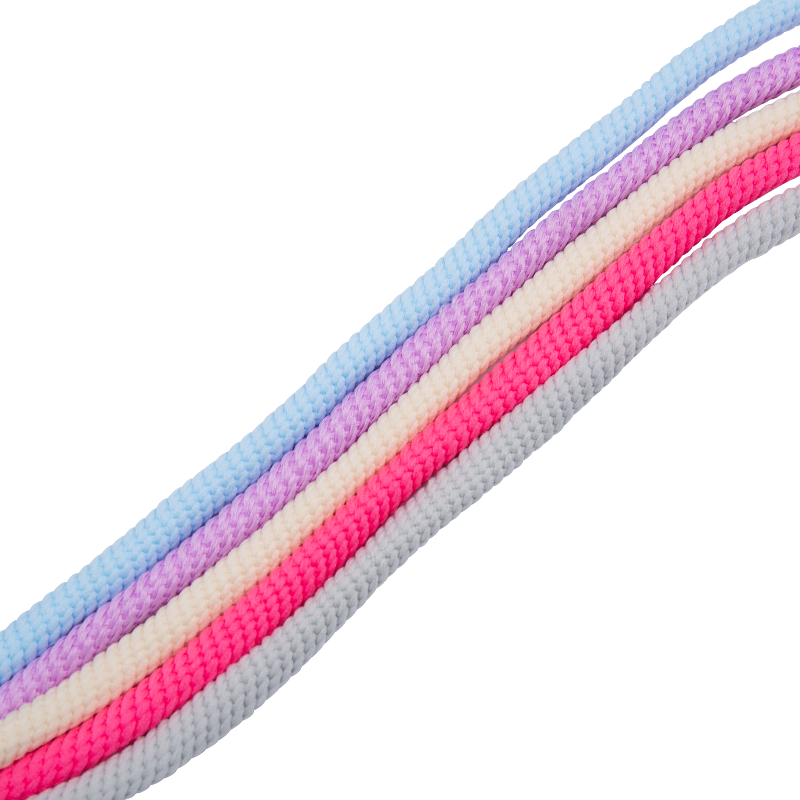
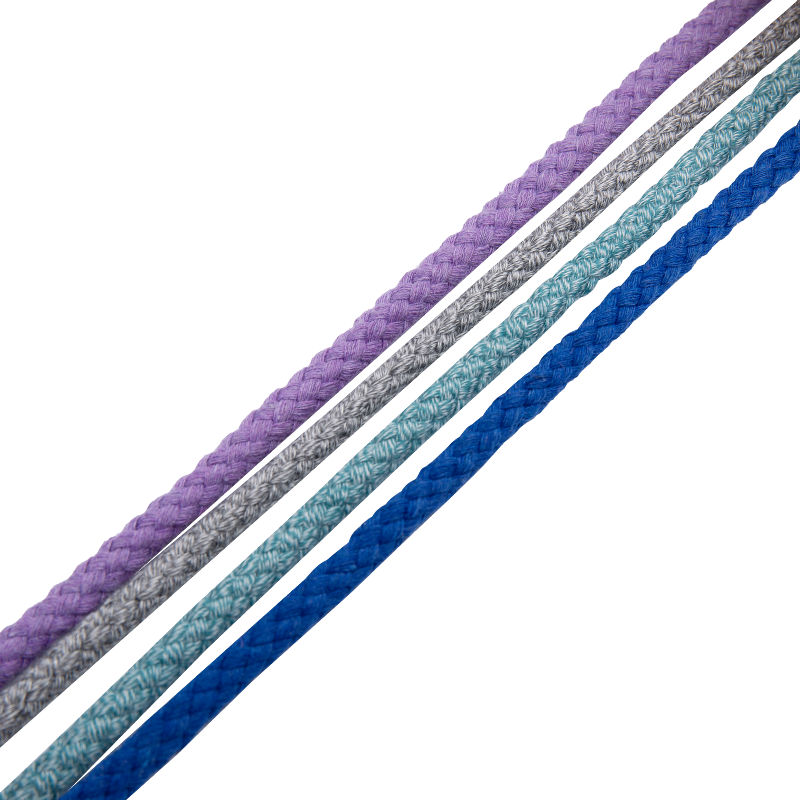
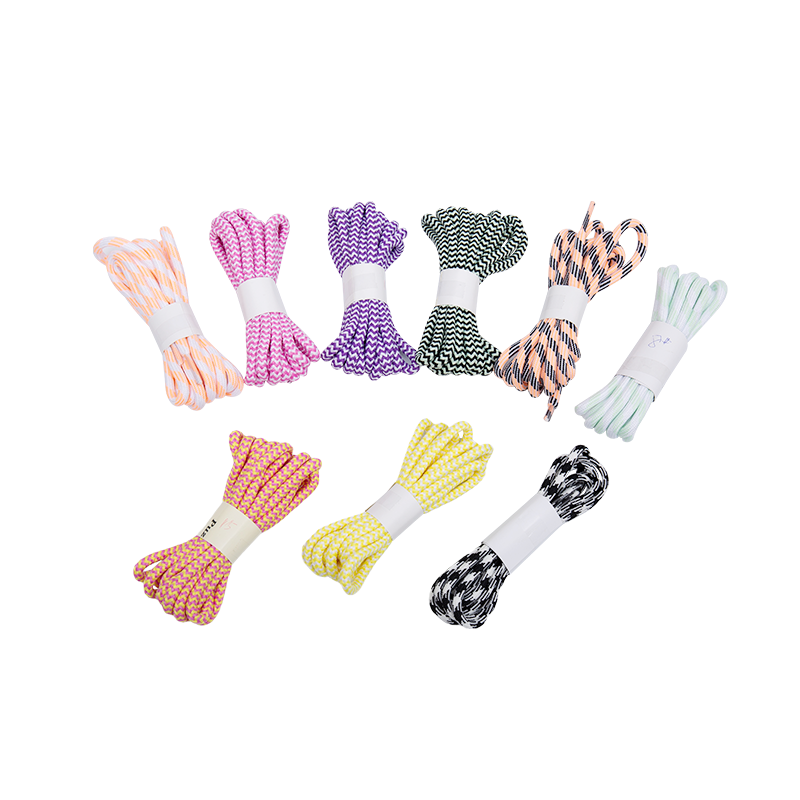
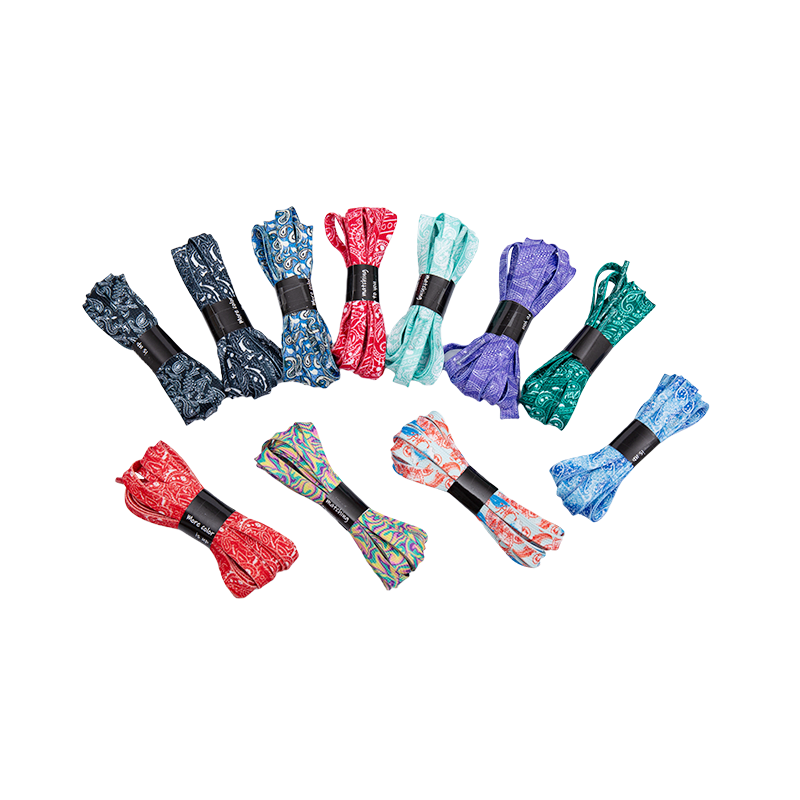
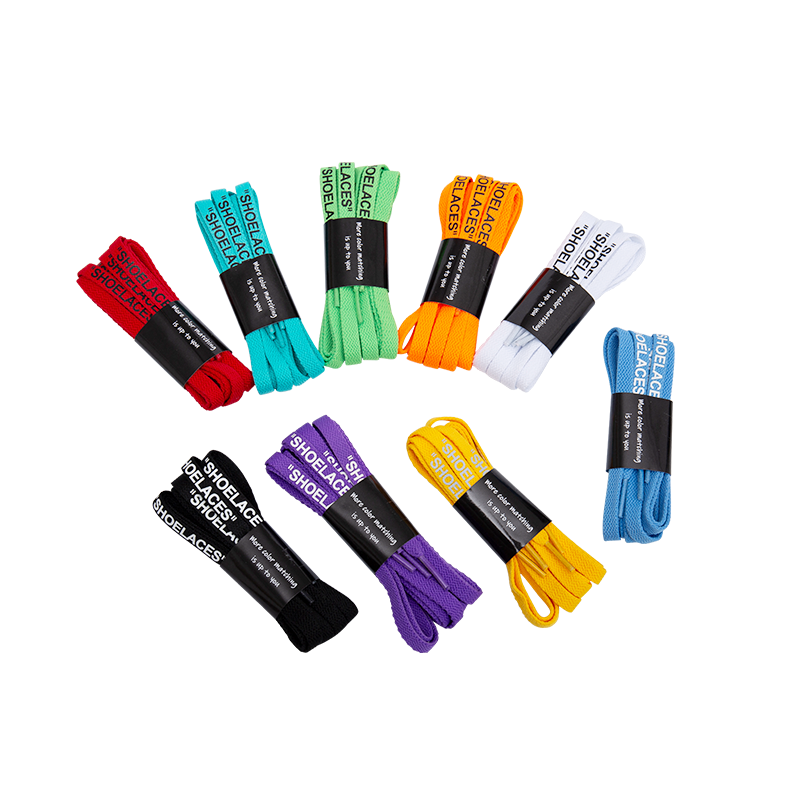
The binding's breathable construction reduces moisture accumulation against skin, supporting comfort during extended wear. A selection of color options is available to coordinate with or contrast against base fabrics, allowing designers to use the binding as a functional trim that also contributes to the garment's visual composition.
Performance at a Glance
High
Elasticity
Strong stretch and recovery for secure fit
Breathable
Construction
Air circulation for wearer comfort
Multiple
Color Options
Wide range for design coordination
These specifications define the binding's elastic performance, breathability, and color availability for apparel edge finishing.
Core Advantages
- Controlled stretch – Provides consistent tension around garment openings with reliable elastic recovery after each use.
- Breathable structure – Material permits air movement, reducing heat and moisture retention in layered or fitted garments.
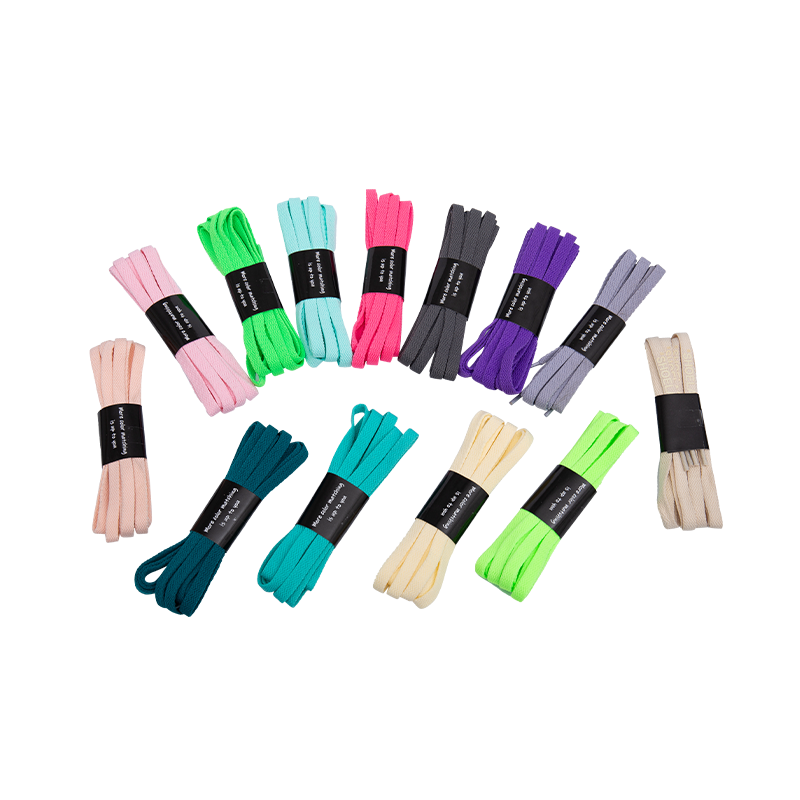
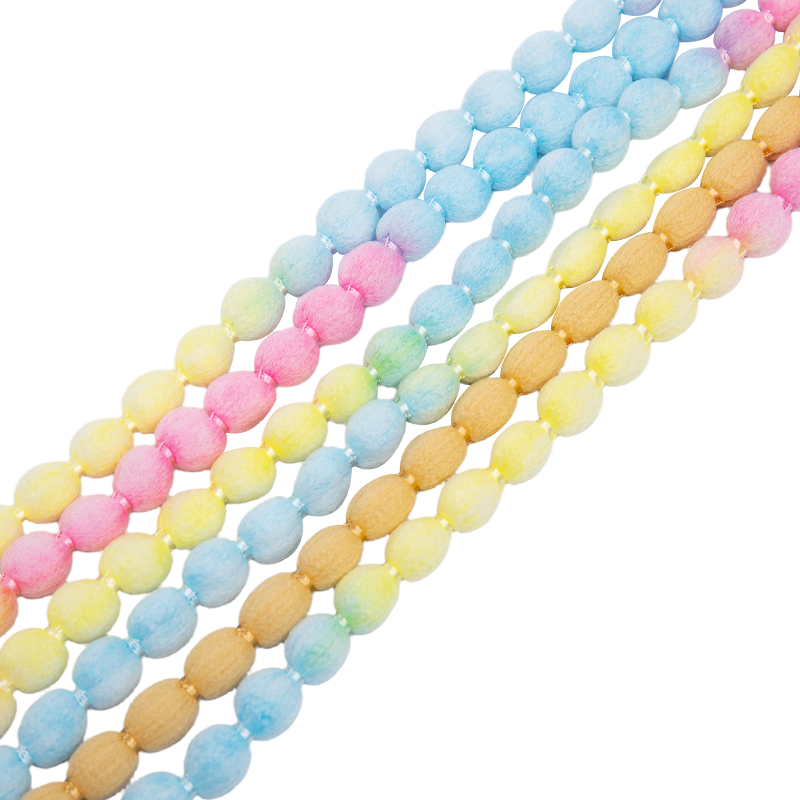
- Color range – Available in multiple shades to match or contrast with main fabrics, supporting design requirements.
- Edge durability – The binding maintains integrity through repeated stretching and laundering without edge curling.
- Application versatility – Suitable for waistbands, cuffs, necklines, and hem finishes across various garment types.
- Comfort properties – The material composition supports comfort in direct skin contact applications.
Product Specifications
Material Composition Spandex blend with synthetic fibers
Elasticity High stretch with shape recovery
Breathability Air-permeable construction
Color Options Standard and custom colors available
Primary Applications Garment edge binding, waistbands, cuffs
Construction Woven elastic webbing
The elastic binding combines controlled stretch with breathable construction and color availability for apparel edge finishing. The material specifications support both functional edge retention and design coordination.
Application Fields
Pant waistbands Sleeve cuffs Skirt hemlines Neckline binding Sportswear trim Outerwear edge finishing Children's apparel Custom garment manufacturing
Frequently Asked Questions
What stretch capacity does this binding provide?
The binding offers consistent elastic extension suitable for garment edge applications. Specific stretch percentages vary by width and construction; standard specifications are available upon request.
Can the binding be washed and dried without losing elasticity?
The material maintains elastic properties through standard laundering cycles. Machine wash at temperatures up to 40°C; tumble dry at low heat. Avoid chlorine bleach and high-temperature drying.
Is this binding suitable for sensitive skin?
The material composition and breathable construction support comfortable contact with skin. The binding is commonly used in garments worn directly against the body.
What color options are available?
A standard color range is available; custom color matching can be arranged for larger orders. Please contact sales for current color availability and minimum order quantities for custom shades.
Handling and Care Guidance
For consistent results in garment construction, apply the binding with even tension across the entire length to prevent rippling or distortion. Pre-shrinking may be advisable for certain fabric combinations. Wash at moderate temperatures (up to 40°C) using mild detergent. Do not use fabric softeners, as they may affect the binding's surface texture and elastic response. Air drying is recommended; if using a dryer, select the lowest heat setting to preserve elasticity. Store flat or rolled in a clean, dry environment away from direct sunlight.
Quality Assurance
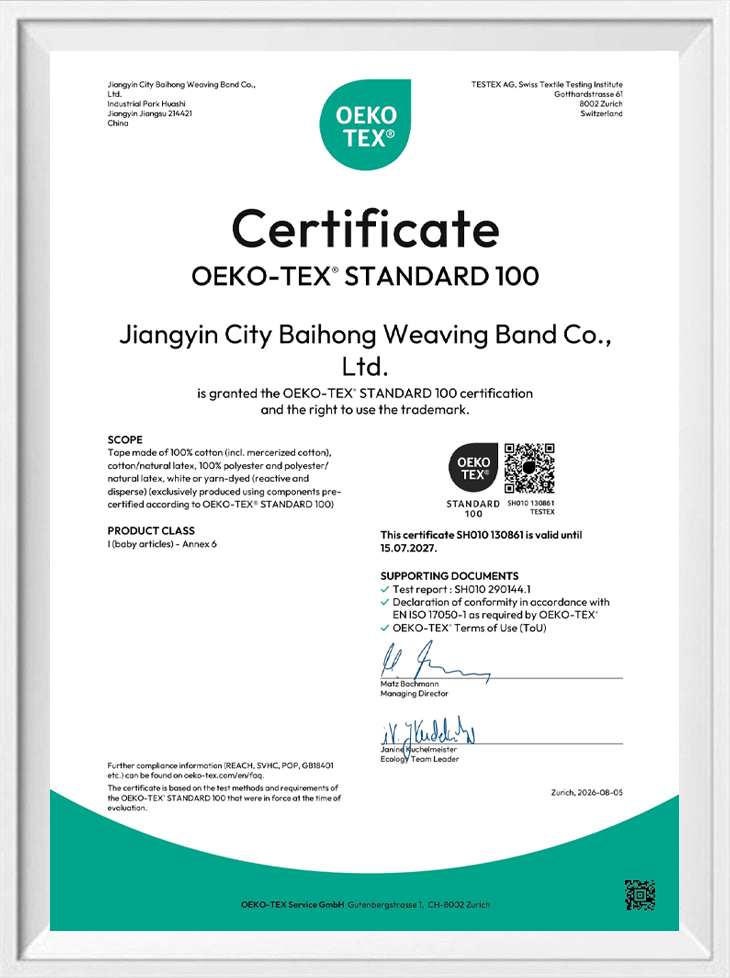
Each production batch undergoes elasticity testing, width verification, color consistency assessment, and edge quality inspection. The woven structure is monitored for uniform tension and fiber distribution. Raw materials are traced to certified suppliers with documented quality records. Testing procedures follow industry standards for elastic textile products.



 English
  русский
  Español