


 English
  русский
  Español
Industry News
Apr 09,2026
How to Choose Fashion Personalized Shoelaces for Your Business?
Content
- 1 1. Market Demand for Custom Shoelaces in Bulk
- 2 2. Technical Specifications for B2B Procurement
- 3 3. Production Methods for Personalized Shoelaces
- 4 4. Quality Control Standards for Bulk Orders
- 5 5. Logistics and Supply Chain Considerations
- 6 Frequently Asked Questions (FAQ)
- 6.1 1. What is the typical MOQ for Fashion Personalized Shoelaces?
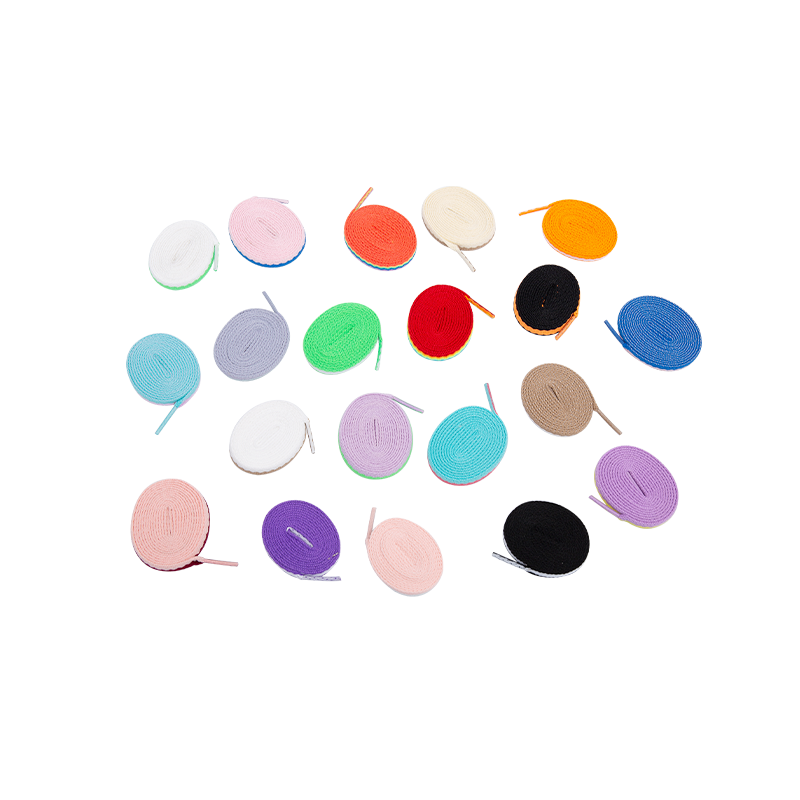
- 6.2 2. How do I ensure color consistency across large batches of custom shoelaces?
- 6.3 3. Are eco-friendly options available for personalized shoelaces in B2B quantities?
- 6.4 4. What printing method offers the highest durability for logo shoelaces?
- 7 References
In the competitive world of apparel accessories, Fashion Personalized Shoelaces have emerged as a high-margin, low-risk product for B2B buyers. These items are no longer just functional; they are style statements. For wholesalers and procurement managers, understanding the technical and market nuances is key to success. This guide provides an engineer-level analysis of manufacturing standards, material science, and market trends to help you make informed bulk purchasing decisions.
1. Market Demand for Custom Shoelaces in Bulk
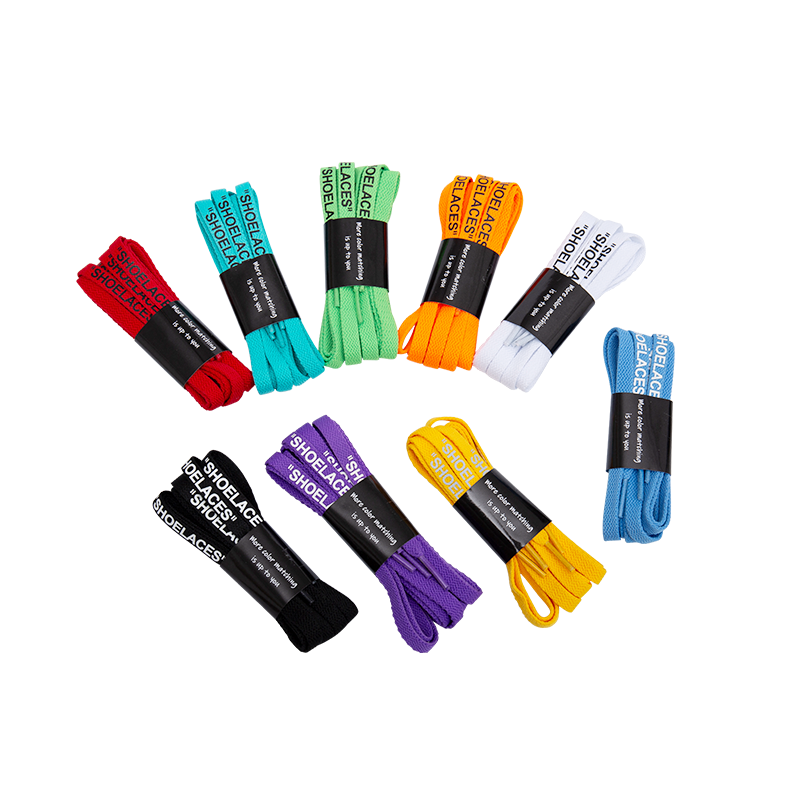
Distributors are increasingly searching for custom-printed shoelaces for events and promotions. These products allow brands to integrate logos or event-specific colors into everyday footwear. The demand stems from promotional product campaigns, corporate team-building kits, and festival merchandise. Bulk orders for these items often range from 5,000 to 50,000 pairs per quarter. Buyers need consistent colorfastness and tension strength, which require strict adherence to textile testing standards like ISO 105-B02 for color fastness to light.
2. Technical Specifications for B2B Procurement
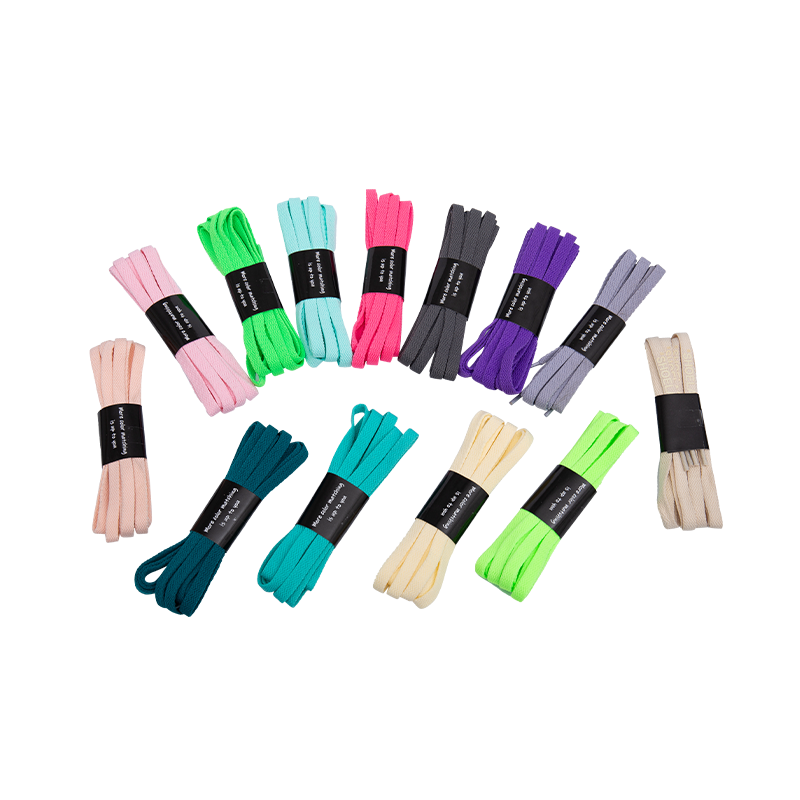
When sourcing Fashion Personalized Shoelaces, procurement specialists must evaluate three core metrics: tensile strength, abrasion resistance, and shrinkage rate. Industrial-grade polyester laces typically offer a tensile strength of 250-300 N/cm², while cotton-blend variants provide lower strength (150-200 N/cm²) but better dye absorption for sublimation printing. Below is a comparison of materials suitable for personalized laces.
2.1 Material Performance Comparison
Different materials affect the final quality of wholesale fashion shoelaces with custom logos. The table below outlines key technical parameters for common materials used in personalized shoelace production.
| Material Type | Tensile Strength (N/cm²) | Printing Compatibility | Shrinkage Rate (Wash Test) |
|---|---|---|---|
| 100% Polyester | 280-320 | Sublimation (High resolution) | Less than 2% |
| Cotton-Poly Blend (60/40) | 180-220 | Screen printing (Limited detail) | 4-6% |
| Recycled PET (rPET) | 260-290 | Sublimation (Moderate resolution) | Less than 3% |
As shown, polyester offers the best technical performance for Fashion Personalized Shoelaces requiring vivid, all-over prints. However, for eco-conscious buyers, rPET provides a balance between sustainability and strength.
3. Production Methods for Personalized Shoelaces
Manufacturing custom color shoelaces for sneaker brands involves two primary methods: woven-in jacquard and post-production heat transfer. The jacquard method weaves the design directly into the lace structure, which is more durable (over 500 abrasion cycles in Martindale testing) but requires high minimum order quantities (MOQ) of 10,000 pairs. Heat transfer printing allows for smaller batches (starting at 1,000 pairs), but the print may degrade after 30-40 industrial wash cycles.
3.1 Aglet and Tip Customization
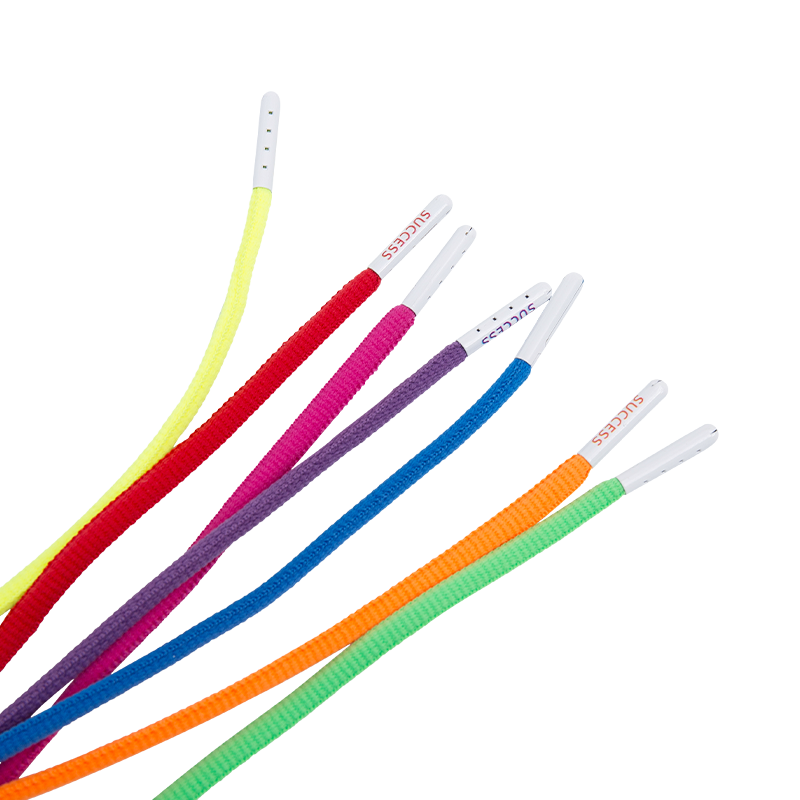
For premium orders of Fashion Personalized Shoelaces, metal aglets (brass or zinc alloy) are preferred over plastic. Brass aglets increase the product's lifespan by 40% and offer a higher perceived value for luxury sneaker collaborations. Procurement managers should request a salt spray test (ASTM B117) for metal components to ensure corrosion resistance.
4. Quality Control Standards for Bulk Orders
Professional buyers must enforce a multi-point QC checklist. This includes visual inspection for color matching (ΔE value < 2.0), tensile testing on a universal testing machine, and packaging integrity for retail-ready displays. A common failure point is mismatched dye lots between batches. Always request a "lot dip" approval before full-scale production.
- Visual Inspection: Check for broken fibers, uneven dyeing, and misaligned prints under a 60W daylight lamp.
- Dimensional Stability: Measure length after 5 standard wash cycles (max variation ±2%).
- Aglet Pull-out Force: Minimum 15 N for plastic aglets, 25 N for metal aglets.
- Packaging Standards: Retail-ready cards or bulk polybags (moisture barrier required).
5. Logistics and Supply Chain Considerations
For wholesale fashion shoelaces with custom logos, lead times vary by customization level. Standard sublimation orders require 15-20 working days, while woven jacquard orders take 25-30 days. Air freight is recommended for orders under 500 kg to maintain inventory turnover. Also, verify that the supplier uses anti-static packaging for polyester laces to prevent damage during long sea freight.
Frequently Asked Questions (FAQ)
1. What is the typical MOQ for Fashion Personalized Shoelaces?
For heat transfer printing, the minimum order quantity usually starts at 1,000 pairs. For woven-in designs (jacquard), MOQs are higher, typically 5,000 to 10,000 pairs per design. Some manufacturers offer sample packs of 50-100 pairs for quality testing before bulk commitment.
2. How do I ensure color consistency across large batches of custom shoelaces?
You must request a spectrophotometer report (CIELAB values) from the supplier. Professional manufacturers maintain a ΔE (color difference) of less than 1.5 between production lots. Additionally, always approve a physical "golden sample" and keep it as a reference during QC inspections.
3. Are eco-friendly options available for personalized shoelaces in B2B quantities?
Yes. rPET (recycled polyethylene terephthalate) laces are widely available. Some suppliers also offer organic cotton laces with GOTS certification. However, note that natural fibers have lower tensile strength (30-40% less than polyester) and higher shrinkage rates (up to 8%).
4. What printing method offers the highest durability for logo shoelaces?
Jacquard weaving is the most durable method because the pattern is physically woven into the structure, not printed on top. It withstands over 500 rub cycles on a Martindale abrasion tester. Sublimation printing is a close second, offering good durability (200-300 rub cycles) with full-color capability.
References
- ASTM International. (2023). D6775-23 Standard Test Method for Breaking Strength and Elongation of Textile Webbing, Tape, and Braided Material.
- Textile Exchange. (2024). Preferred Fiber and Materials Market Report.
- ISO 105-B02:2014. Textiles — Tests for colour fastness — Part B02: Colour fastness to artificial light: Xenon arc fading lamp test.
- Journal of Engineered Fibers and Fabrics. (2022). "Mechanical Properties of Recycled PET Shoelaces." Volume 17, pp. 45-53.
- Federal Trade Commission. (2023). Textile Fiber Products Identification Act (Rules and Regulations).
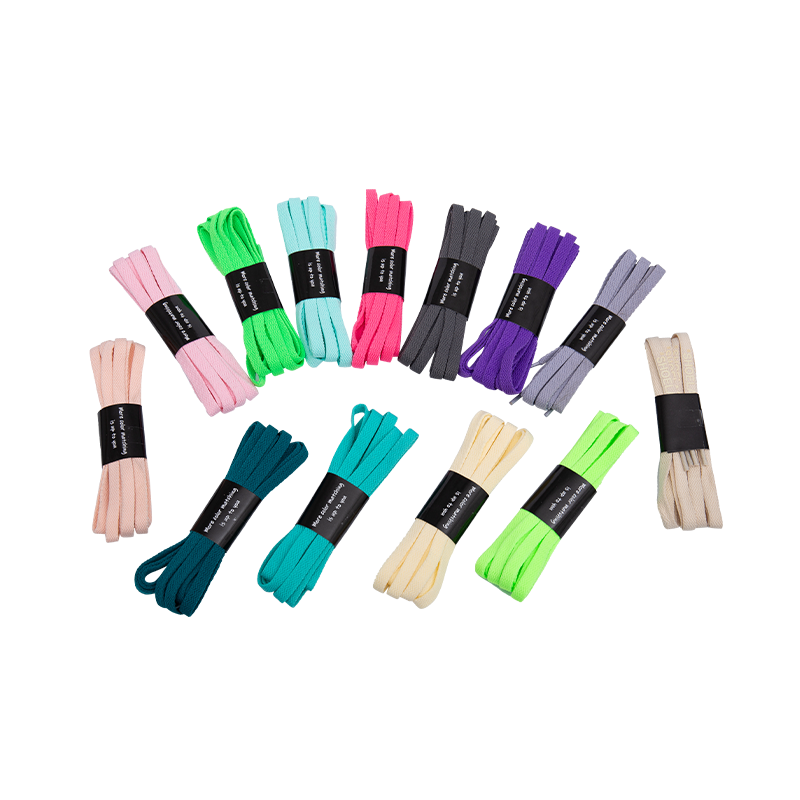
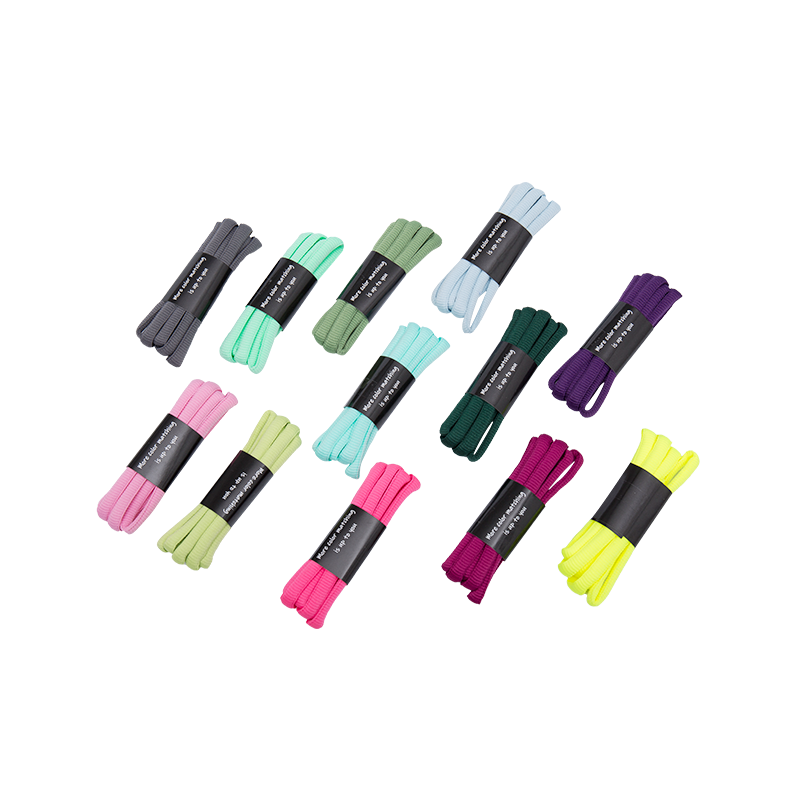
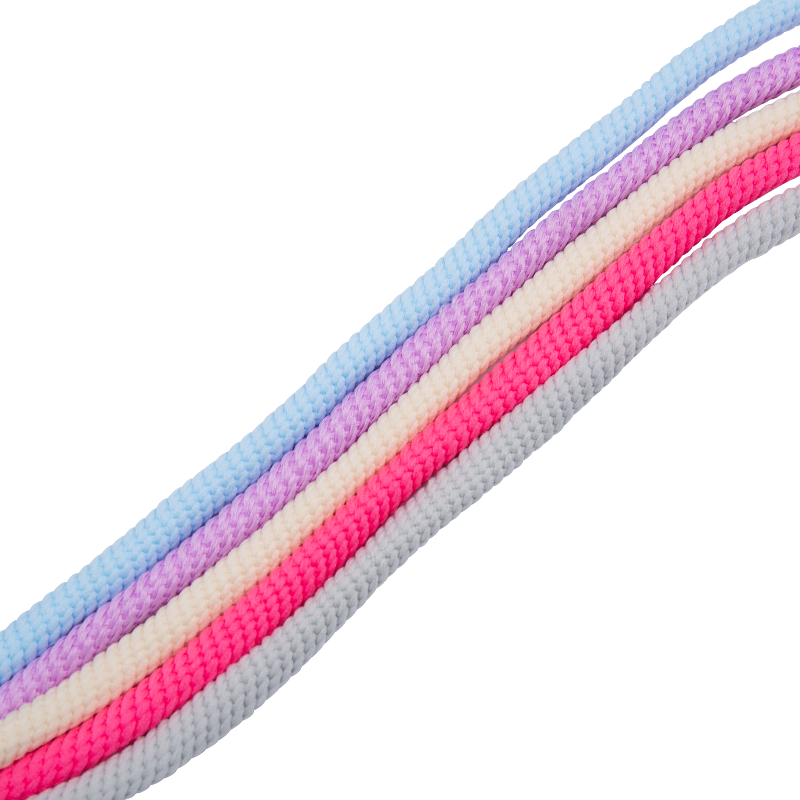

Over the years, we have been providing high-quality, safe and reliable products for the clothing and footwear industries.
- Quick Links
- Contact Information
-
-
 NO.137-1 Chenglu Road, Huashi Town, Jiangyin City214421, Jiangsu, China
 -
 +86 138-0616-9220
 -
 Lhbhzd@126.com
bh@jyribbon.com
sales2@jyribbon.com
-
- Mobile QR Code

