


 English
  русский
  Español
Industry News
Apr 02,2026
How Can Custom Printed Cotton Webbing Elevate Your Brand in 2026?
Content
The packaging and textile industries are undergoing a significant transformation as we approach 2026. Businesses are no longer looking for simple functional materials; they seek solutions that combine utility with powerful brand messaging. In this competitive landscape, Printed Cotton Webbing has emerged as a critical component for manufacturers and retailers aiming to distinguish their products. This material not only serves a structural purpose but also acts as a mobile billboard for brand identity. For B2B buyers and procurement managers, understanding the technical and commercial value of this material is essential for making informed purchasing decisions.
Why Choose Printed Cotton Webbing for Brand Differentiation?
The Material Advantage: Breathability and Soft Texture
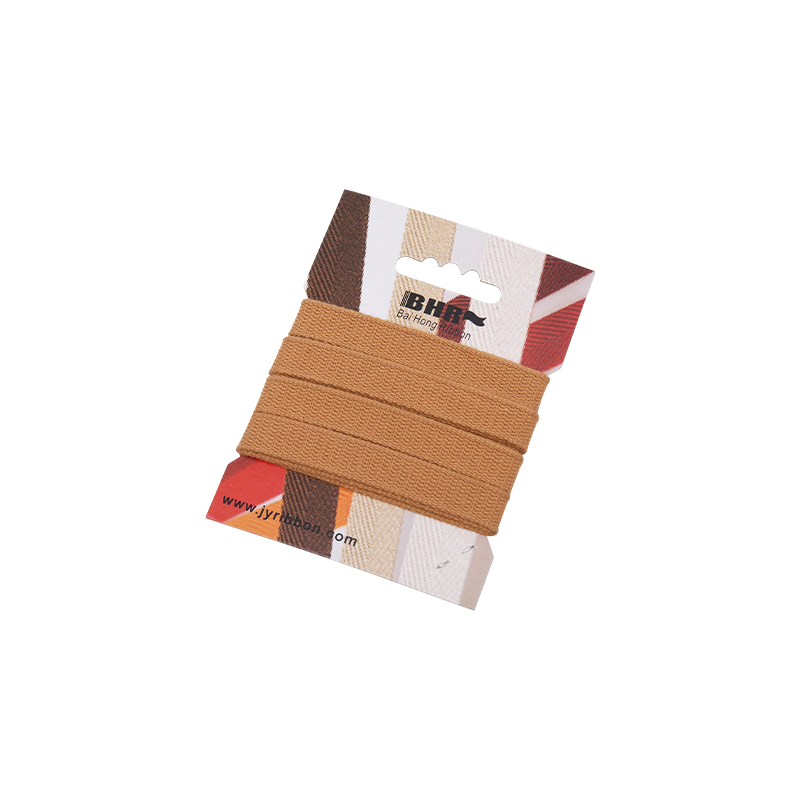
Cotton remains a preferred material in the textile industry due to its natural properties. Unlike synthetic alternatives such as polyester or nylon, cotton offers superior breathability and a soft hand feel. This makes it particularly suitable for products that come into direct contact with skin or delicate surfaces. When a manufacturer opts for Printed Cotton Webbing, they are choosing a material that conveys quality and comfort to the end consumer. The natural texture of cotton also provides an excellent substrate for printing, allowing for sharper and more vibrant designs compared to rough synthetic weaves.
Enhancing Brand Recognition with Customization
In a crowded marketplace, visibility is key. Custom printed cotton webbing allows businesses to integrate their logo, slogan, or unique patterns directly onto the product's structural elements. This turns a standard strap or handle into a branding opportunity. Whether used on a luxury handbag or a promotional tote, the visibility of the brand logo reinforces identity. This level of customization helps products stand out on the shelf and creates a perception of higher value, which is a crucial factor for brands aiming to position themselves in the premium segment.
Technical Specifications for B2B Procurement
Weaving Techniques and Durability
The performance of webbing is heavily dependent on the weaving technique used during production. Engineers and procurement teams must pay close attention to the weave pattern, as it dictates the tensile strength and flexibility of the strap. The two most common structures are plain weave and twill weave. Plain weave offers a tight, symmetrical structure that provides high stability, while twill weave creates a diagonal rib pattern that offers increased flexibility and durability under stress.
To help buyers understand the differences, the following table outlines the key characteristics of these two weaving methods:
| Feature | Plain Weave | Twill Weave |
| Structure | Over-and-under interlacing | Diagonal parallel ribs |
| Surface Texture | Flat and smooth | Textured with distinct lines |
| Print Clarity | Excellent for detailed logos | Good, but may affect fine details |
| Tensile Strength | High stability | Higher flexibility and tear resistance |
Printing Quality and Color Fastness
For personalized webbing for branding, the longevity of the print is just as important as the webbing itself. The printing method determines how well the design withstands washing, friction, and UV exposure. Pigment printing is widely used for its cost-effectiveness and ability to produce bright colors on cotton. However, for higher durability requirements, reactive dye printing is preferred as the dye penetrates the fiber, resulting in superior color fastness. B2B buyers should specify their requirements regarding washing fastness and light fastness ratings (usually graded 1-5) to ensure the final product meets their quality standards.
Diverse Applications Across Industries
Cotton Webbing for Bags and Luggage
The bag and luggage industry is the largest consumer of cotton webbing. From shoulder straps to handles and closure loops, the material must support significant weight without fraying. Cotton webbing for bags is favored because it does not dig into the shoulder like thinner synthetic straps, providing better ergonomics for the user. Furthermore, the ability to print patterns allows bag manufacturers to coordinate the straps with the bag's body fabric, creating a cohesive design aesthetic.
Safety and Apparel Uses
Beyond fashion, cotton webbing plays a vital role in safety equipment and heavy-duty apparel. It is often used in safety harnesses, pet leashes, and belts. The natural friction of cotton provides a better grip, which is essential for safety applications. In the apparel industry, designers use printed fabric tape as a decorative accent on jackets, shoes, and sportswear, blending functionality with style.
Wholesale Cotton Webbing Straps for Logistics
In the logistics and packaging sector, securing loads is a priority. Wholesale cotton webbing straps are frequently used for bundling and securing cargo. Unlike steel strapping, cotton webbing does not damage the goods it secures, and it can be reused multiple times, offering an eco-friendly alternative. Bulk purchasing of these straps allows logistics companies to reduce costs while maintaining high safety standards during transportation.
The Strategic Value of Custom-Printed Cotton Webbing
Cost-Effectiveness for Bulk Orders
One of the primary concerns for businesses is the cost implication of customization. However, sourcing custom printed cotton webbing in bulk significantly reduces the unit price. Modern manufacturing processes allow for continuous printing and weaving, minimizing waste. For large-scale orders, the marginal cost of adding a logo is relatively low compared to the branding value it adds. Procurement managers should partner with manufacturers who have in-house printing capabilities to streamline the supply chain and reduce lead times.
Meeting Sustainability Goals
As global regulations regarding plastic use tighten, brands are actively seeking sustainable alternatives. Cotton is a renewable resource and is biodegradable, making it an environmentally responsible choice. By utilizing organic or recycled cotton webbing, companies can appeal to eco-conscious consumers and comply with international environmental standards. This strategic shift not only benefits the planet but also enhances the corporate social responsibility profile of the brand.
How to Select the Right Printed Fabric Tape Supplier
Evaluating Production Capacity and Lead Times
When selecting a supplier for printed fabric tape or webbing, production capacity is a critical metric. A supplier must be able to handle large-volume orders without compromising on delivery schedules. Buyers should inquire about the supplier's daily output and their ability to scale production during peak seasons. A manufacturer with advanced automation in weaving and printing will typically offer more consistent lead times compared to those relying on manual processes.
Importance of Sample Testing
Before committing to a large order, it is standard industry practice to request samples. This allows the engineering team to conduct physical tests such as tensile strength testing, abrasion resistance testing, and color fastness checks. Verifying these technical parameters ensures that the Printed Cotton Webbing meets the specific performance requirements of the intended application. A reliable supplier will readily provide these samples and technical data sheets.
Conclusion
In 2026, the strategic use of materials will define brand success. Printed Cotton Webbing offers a unique blend of functionality, aesthetic appeal, and branding potential. By understanding the technical nuances of weaving and printing, and by choosing the right manufacturing partner, businesses can leverage this material to elevate their products and capture greater market share.
FAQ
What is the minimum order quantity (MOQ) for Printed Cotton Webbing?
The MOQ varies depending on the complexity of the design and the supplier's production setup. Generally, for custom printed orders, the MOQ ranges from 1,000 to 3,000 meters to justify the setup costs for the printing plates and looms. However, some suppliers may offer lower MOQs for standard-width webbing or simpler one-color prints.
How does Printed Cotton Webbing compare to polyester webbing in terms of durability?
Polyester webbing generally has higher resistance to UV rays and moisture compared to cotton. However, Printed Cotton Webbing offers better comfort, breathability, and a more premium natural feel. For heavy-duty outdoor applications, polyester might be superior, but for fashion, bags, and comfort-oriented products, cotton is often the preferred choice due to its texture and print quality.
Can Printed Cotton Webbing be washed?
Yes, cotton webbing can be washed, but it is essential to consider the printing method used. Webbing printed with high-quality reactive dyes or pigment inks with proper binders can withstand multiple wash cycles. However, to prevent shrinking or fading, it is recommended to follow care instructions, typically involving cold water washing and air drying where possible.
References
- Smith, J. (2025). "Advances in Textile Printing Technologies for Natural Fibers." Journal of Industrial Fabric Engineering, 12(3), 45-52.
- Global Textile Market Report. (2024). "Sustainable Trends in Webbing and Strapping Materials." Textile World Insights.
- Chen, L., & Wang, H. (2023). "Comparative Analysis of Weaving Structures on Tensile Strength of Cotton Webbing." International Journal of Clothing Science, 8(2), 112-120.
- Association of Textile Manufacturers. (2025). "Standard Specifications for Printed Narrow Fabrics." Technical Standards Handbook.
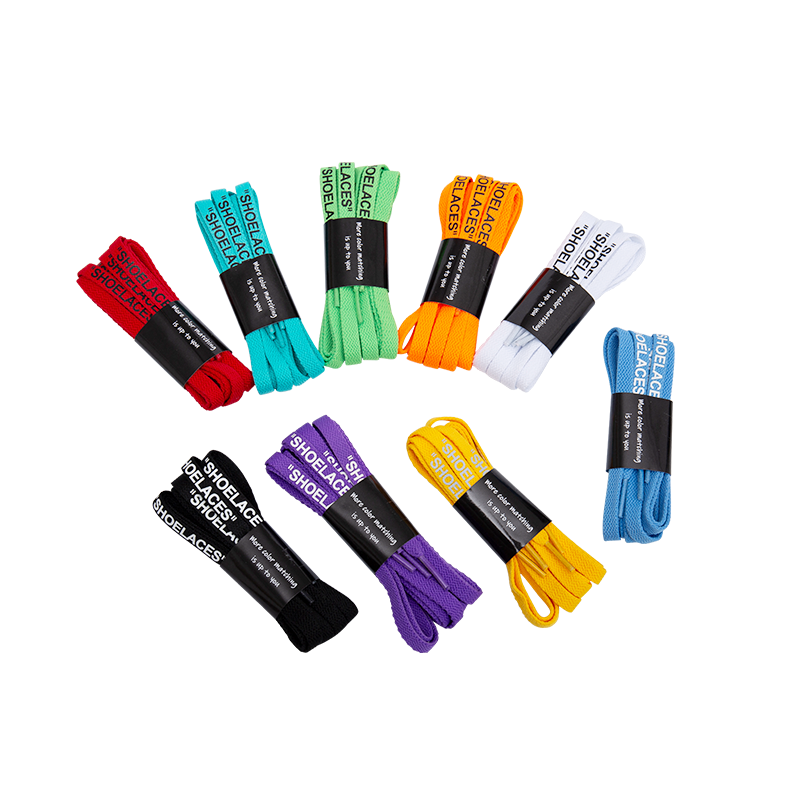
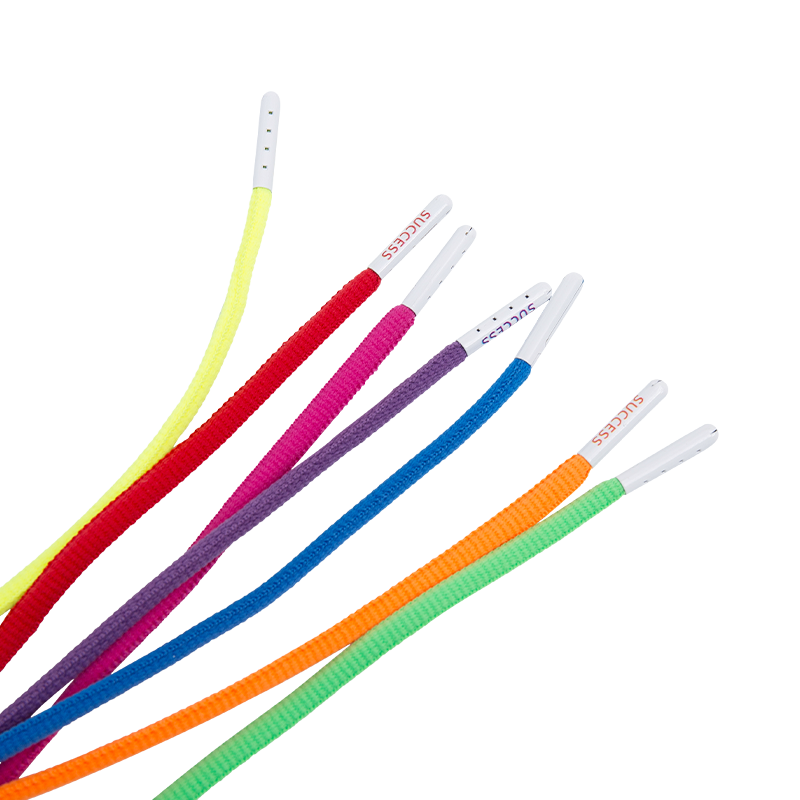
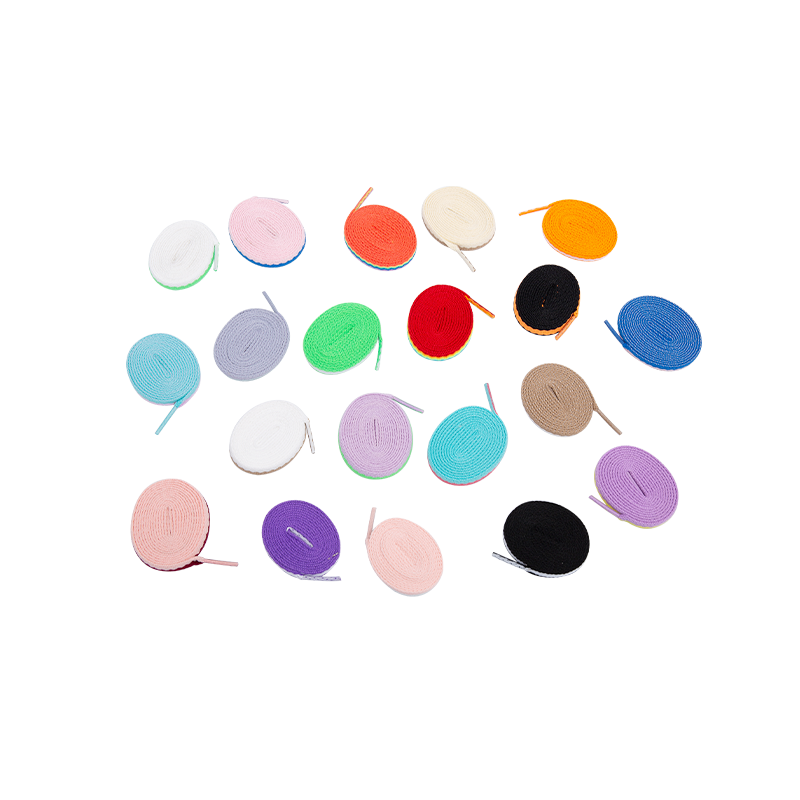

Over the years, we have been providing high-quality, safe and reliable products for the clothing and footwear industries.
- Quick Links
- Contact Information
-
-
 NO.137-1 Chenglu Road, Huashi Town, Jiangyin City214421, Jiangsu, China
 -
 +86 138-0616-9220
 -
 Lhbhzd@126.com
bh@jyribbon.com
sales2@jyribbon.com
-
- Mobile QR Code

