


 English
  русский
  Español
Industry News
Mar 24,2026
What Are Cotton Rope Laces?
Content
- 1 1. How Cotton Rope Laces Are Made
- 2 2. Types of Cotton Rope Laces
- 2.1 2.1 Round Cotton Rope Laces Wholesale — Diameter Specs and Construction
- 2.2 2.2 Thick Cotton Rope Laces for Sneakers — Sizing and Aesthetic Use
- 2.3 2.3 Waxed Cotton Rope Laces for Dress Shoes — Finish and Performance
- 2.4 2.4 Cotton Rope Laces for Boots and Work Shoes — Durability Requirements
- 2.5 2.5 Flat vs Round Cotton Rope Laces — Comparison
- 3 3. Key Applications by Footwear Category
- 4 4. How to Choose the Right Cotton Rope Laces
- 5 5. Wholesale Sourcing Guide
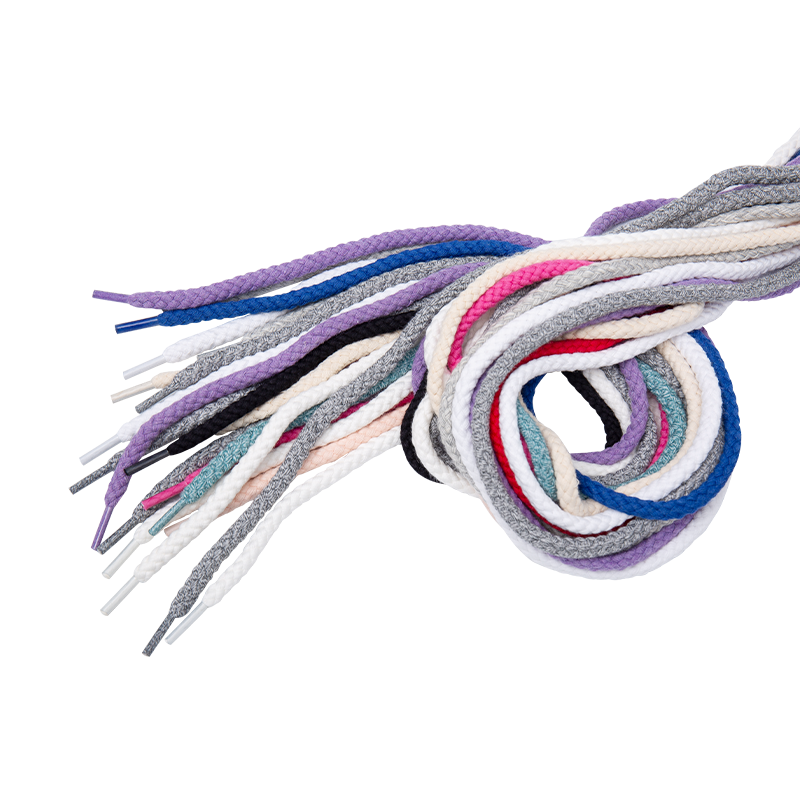
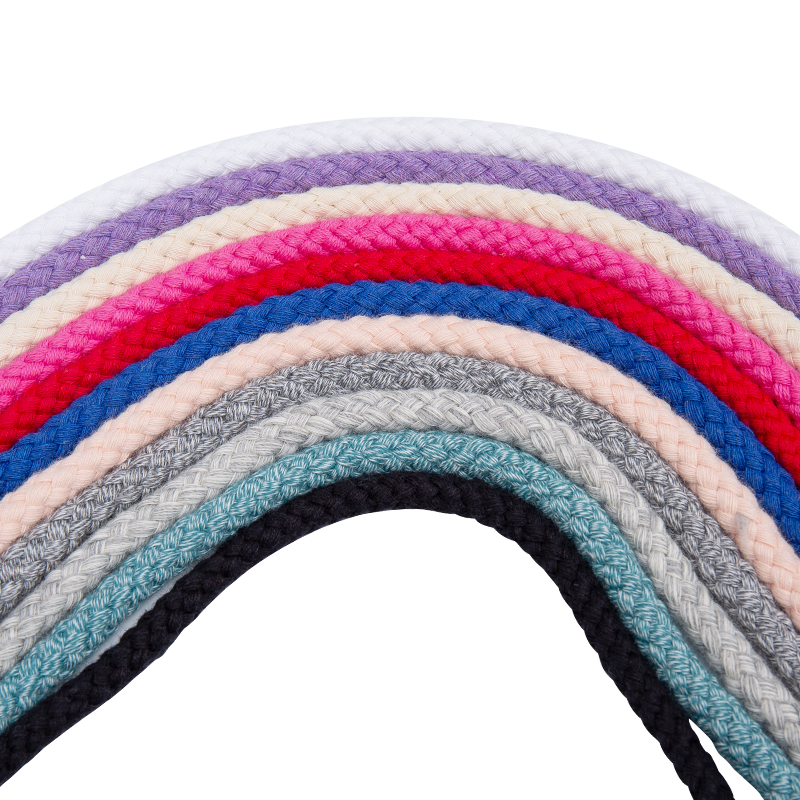
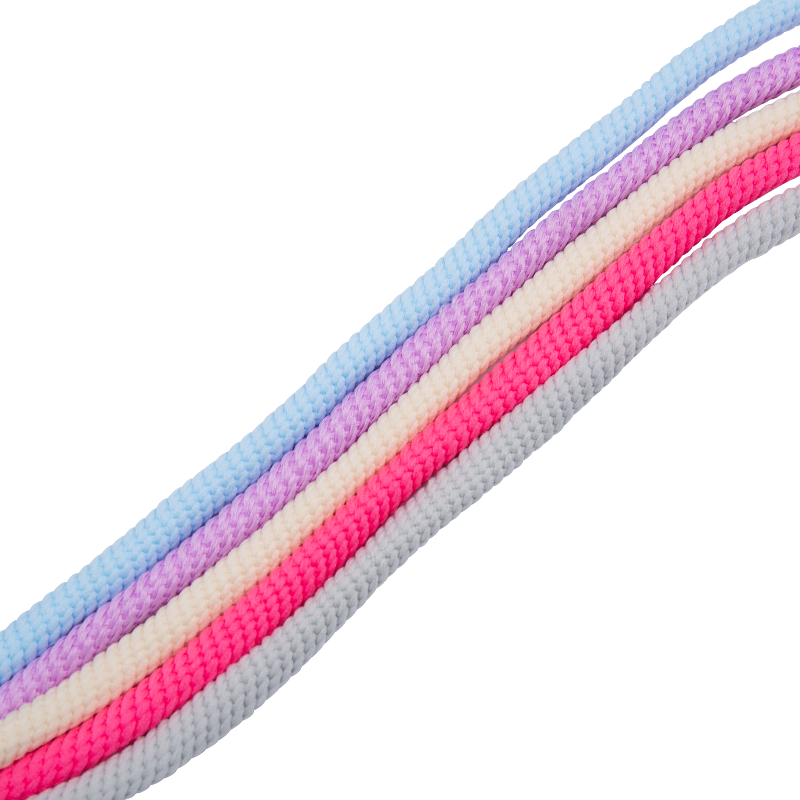
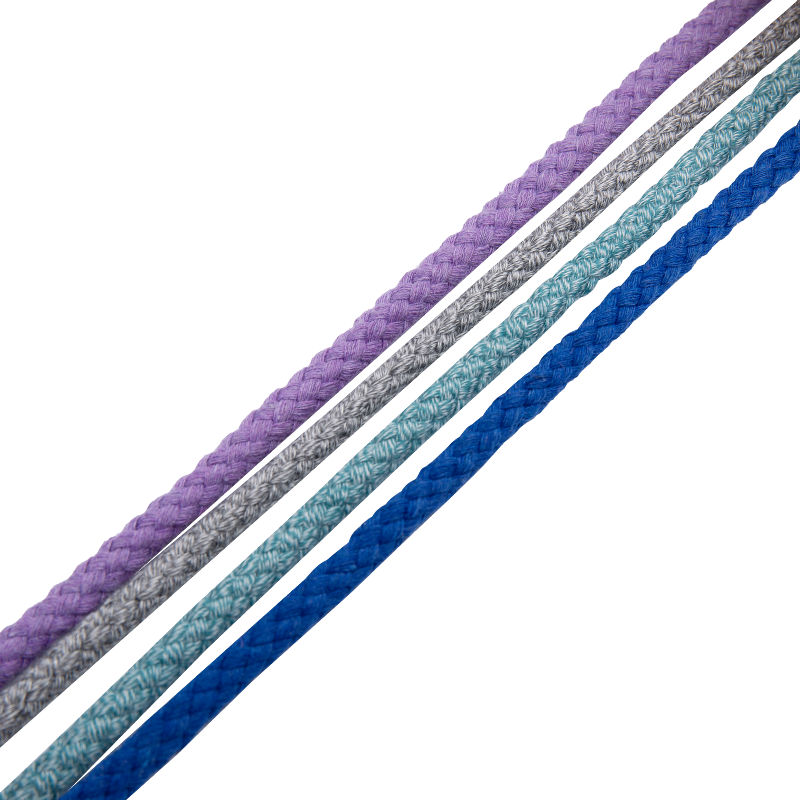
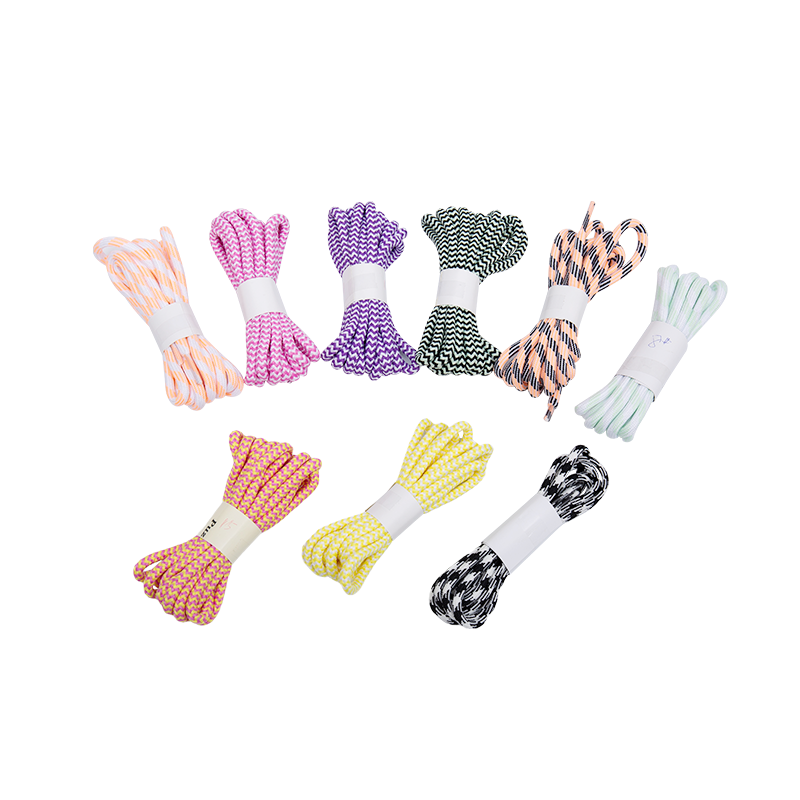
Cotton rope laces are braided or twisted footwear laces constructed from natural cotton fiber yarns, engineered to combine the softness and breathability of cotton with the structural integrity and durability required for daily footwear use. Unlike flat woven laces, cotton rope laces have a cylindrical cross-section formed by interlacing multiple yarn strands in a braided or twisted pattern around a central core — producing a lace with distinctive texture, superior knot-holding performance, and the premium tactile quality that footwear brands and consumers associate with quality craftsmanship. For footwear manufacturers, distributors, and private label brands, understanding the construction variables, material specifications, and application boundaries of cotton rope laces is essential for making technically and commercially sound sourcing decisions.
1. How Cotton Rope Laces Are Made
1.1 Raw Material: Cotton Fiber Grades and Yarn Twist
The quality foundation of any cotton rope lace is the cotton fiber from which its constituent yarns are spun. Key fiber and yarn specifications that determine the final lace's performance include:
- Cotton fiber grade: Long-staple cotton (fiber length 28–38 mm, such as Egyptian or Pima cotton) produces smoother, stronger yarns with less surface fuzz than short-staple cotton (fiber length 20–26 mm). Long-staple cotton is specified for premium waxed cotton rope laces for dress shoes and high-visibility colored laces where surface smoothness and color vibrancy are priorities. Short-staple cotton is used in economy-grade laces where cost efficiency is the primary consideration.
- Yarn count (Ne): The metric count of cotton yarn expresses fineness — higher Ne indicates finer yarn. Typical yarn counts for cotton rope laces range from Ne 10/2 (coarse, for thick rope laces) to Ne 40/3 (fine, for dress shoe laces). Yarn count directly determines the final lace diameter and weight per unit length.
- Yarn twist direction and twist per inch (TPI): The direction (S-twist or Z-twist) and density of twist per inch in the base yarn determine the yarn's tensile strength, elongation, and surface appearance. Higher TPI produces stronger, more compact yarn at the cost of reduced softness. Balanced twist (combining S and Z twisted yarns in the braiding structure) prevents the finished lace from spiraling or untwisting in use.
- Yarn ply: Single-ply yarn (one spun strand) is used in fine-gauge laces; 2-ply and 3-ply twisted yarns provide higher strength and abrasion resistance for heavier cotton rope laces for boots and work shoes where tensile demands are highest.
1.2 Braiding vs Twisting Construction Methods
The two primary manufacturing methods for cotton rope laces produce structurally and aesthetically distinct products that serve different market segments:
| Parameter | Braided Construction | Twisted Construction |
|---|---|---|
| Structure | Interlaced yarns in diagonal pattern over core | Multiple yarn bundles twisted helically together |
| Cross-section | Round, consistent diameter | Round, slight surface texture from twist |
| Tensile strength | High — load distributed across braid structure | Medium-High — dependent on twist angle |
| Elongation | Low-Medium (3–8%) | Medium (5–12%) |
| Surface texture | Smooth, uniform diagonal pattern | Visible helical twist — distinctive rope aesthetic |
| Knot security | Excellent — braid structure grips knot | Good — twist provides friction at knot |
| Diameter range | 2–8 mm | 3–10 mm |
| Typical application | Dress shoes, sneakers, casual footwear | Work boots, hiking boots, heritage/vintage styles |
Braided cotton rope laces are produced on narrow-fabric braiding machines (typically 8, 12, or 16 carrier configurations) that interlace carrier yarns in a maypole pattern around a central core yarn bundle. The braid angle (typically 30–55° from the lace axis) governs the balance between tensile strength (higher at lower braid angles) and diameter consistency (better at moderate braid angles of 40–50°).
1.3 Waxed Cotton Rope Laces — Coating Process and Benefits
Waxed cotton rope laces for dress shoes undergo a post-braiding wax impregnation process that fundamentally changes their surface properties and performance characteristics. The waxing process involves:
- Wax type selection: Beeswax (natural, premium — produces warm amber tone and distinctive fragrance); paraffin wax (mineral-based, cost-effective — clear to white finish); microcrystalline wax (synthetic, consistent — used in performance waxed laces for predictable coating weight and hardness). Beeswax is the traditional choice for premium waxed cotton rope laces for dress shoes where natural material credentials and tactile quality are important to the end consumer.
- Impregnation method: Hot-wax bath impregnation — the braided lace passes continuously through a heated wax bath (60–90°C depending on wax type) at controlled speed, allowing the melted wax to penetrate the yarn interstices under capillary action. Post-impregnation, the lace passes through a calibrated die that removes excess surface wax and sets the final diameter. Cooling on a take-up reel solidifies the wax within the braid structure.
- Functional benefits of waxing: Wax impregnation produces a smoother surface with lower friction coefficient — facilitating threading through eyelets and producing a crisper knot that is less prone to loosening during wear. The wax also provides modest water repellency (not waterproofing), reduces fiber surface fuzz, consolidates the braid structure for improved diameter consistency, and extends the lace's service life by protecting cotton fibers from abrasion and moisture cycling.
1.4 Tipping Methods: Plastic, Metal, and Heat-Shrink Aglets
The aglet (tip) is the terminal fitting applied to each end of a cotton rope lace to prevent braid unraveling and facilitate threading through eyelets. Three tipping methods are used commercially, each with distinct aesthetic, durability, and cost characteristics:
- Plastic injection-molded aglets: The most widely used tipping method — low cost, available in unlimited colors, and compatible with automated tipping machinery for high-volume production. Standard aglet length: 15–25 mm. Aglet wall thickness and material grade (standard ABS vs reinforced nylon) determine resistance to splitting under eyelet threading stress.
- Metal aglets (brass, aluminum, zinc alloy): Crimped or swaged metal tubes provide premium aesthetics and superior durability compared to plastic. Specified for heritage, military, and premium dress shoe lace applications where the aglet must withstand repeated aggressive threading without deformation. Brass aglets (lacquered or raw) are the standard choice for waxed cotton rope laces for dress shoes where the metal finish complements the lace's premium positioning.
- Heat-shrink tubing aglets: Polyolefin heat-shrink tubing applied over the lace end and activated by heat gun provides a clean, minimalist finish that integrates with the lace color. Used in athletic and technical footwear where aglet weight is minimized and color-matching to the lace body is required. Heat-shrink aglets are the lightest option but provide lower eyelet threading durability than molded plastic or metal alternatives.
2. Types of Cotton Rope Laces
2.1 Round Cotton Rope Laces Wholesale — Diameter Specs and Construction
Round cotton rope laces wholesale supply covers a diameter range from 2.5 mm (fine dress shoe lace) to 8 mm (chunky fashion sneaker lace), with the most commercially significant wholesale diameter ranges concentrated at 3–5 mm for the mainstream footwear market. The diameter specification must be matched precisely to the eyelet internal diameter of the shoe — a lace that is too thick relative to the eyelet creates excessive threading friction and accelerated aglet wear; a lace that is too thin relative to the eyelet allows slippage and produces a sloppy, untidy laced appearance.
Standard diameter specifications for round cotton rope laces wholesale across primary footwear applications:
| Lace Diameter | Recommended Eyelet ID | Typical Footwear Application | Construction |
|---|---|---|---|
| 2.5–3.0 mm | 3.5–4.5 mm | Oxford dress shoes, loafers, fine leather shoes | 8-carrier braid, fine yarn |
| 3.5–4.0 mm | 4.5–5.5 mm | Casual leather shoes, low-top sneakers, boat shoes | 8 or 12-carrier braid, medium yarn |
| 4.5–5.0 mm | 5.5–7.0 mm | High-top sneakers, canvas shoes, casual boots | 12 or 16-carrier braid, medium-heavy yarn |
| 5.5–6.5 mm | 7.0–8.5 mm | Work boots, hiking boots, chukka boots | 16-carrier braid or twisted, heavy yarn |
| 7.0–8.0 mm | 9.0–11.0 mm | Fashion chunky sneakers, lifestyle footwear | Twisted or thick-core braid, chunky yarn |
2.2 Thick Cotton Rope Laces for Sneakers — Sizing and Aesthetic Use
Thick cotton rope laces for sneakers have become a significant aesthetic trend in the lifestyle and fashion footwear segment, driven by the consumer desire for distinctive, customized sneaker styling that differentiates from standard flat laces. Thick rope laces (diameter 5.5–8 mm) create a chunky, substantial visual presence on high-top and thick-tongue sneaker silhouettes — a styling effect that cannot be replicated with flat or thin round laces.
Technical considerations specific to thick cotton rope laces for sneakers:
- Core construction: Thick rope laces typically use a multifilament polyester or cotton core bundle around which the outer braid is applied — the core contributes to dimensional stability, preventing the lace from flattening or deforming under the repeated flexing of active footwear use.
- Color fastness requirements: Sneaker laces are high-visibility styling components — color fastness to washing (ISO 105-C06), rubbing (ISO 105-X12), and light (ISO 105-B02) must be specified and verified. Minimum color fastness rating of Grade 4 for washing and rubbing is the standard requirement for fashion-grade sneaker laces.
- Pre-shrinking treatment: Cotton absorbs water and shrinks on first washing — untreated thick cotton rope laces for sneakers can shrink by 3–8% in length after washing, creating a visual inconsistency between pre-wash and post-wash appearance. Pre-shrinking treatment (passing the lace through a steam shrinkage tunnel at controlled temperature and tension) reduces residual shrinkage to <1% — a mandatory specification for premium footwear brands.
2.3 Waxed Cotton Rope Laces for Dress Shoes — Finish and Performance
Waxed cotton rope laces for dress shoes occupy the premium tier of the cotton rope lace market — specified by luxury footwear brands, heritage shoemakers, and dress shoe manufacturers where the lace must complement the quality of the shoe's leather upper, last construction, and sole craftsmanship. The wax finish provides a polished, refined appearance that contrasts with the casual texture of unwaxed cotton rope, while the functional properties of waxed construction — reduced friction, improved knot security, modest water repellency — directly benefit the wearer of formal footwear in professional environments.
Specification requirements for premium waxed cotton rope laces for dress shoes:
- Diameter: 2.5–3.5 mm (narrow profile for clean, elegant appearance through close-set dress shoe eyelets)
- Wax coat weight: 8–15% of unlaced lace weight (sufficient for functional benefit without excessive stiffness)
- Surface finish: Smooth, uniform wax distribution with no lumps, bare patches, or wax blooming after conditioning
- Color: Classic colors (black, dark brown, mid-brown, tan, ecru) matching standard dress shoe upper leathers — Pantone color matching to OEM customer specification for brand-consistent lace coloring
- Aglet: Brass metal aglet (lacquered or raw finish) — length 18–22 mm, wall thickness ≥ 0.3 mm
2.4 Cotton Rope Laces for Boots and Work Shoes — Durability Requirements
Cotton rope laces for boots and work shoes face the most demanding performance requirements in the footwear lace category — combining mechanical stress from repeated tight lacing, exposure to outdoor environments (moisture, mud, abrasion), chemical exposure in industrial work environments, and extended daily service durations that stress lace integrity far beyond the demands of casual footwear use.
Key performance requirements for cotton rope laces for boots and work shoes:
- Tensile strength: Minimum breaking load of 80–120 N for standard work boot laces (measured per ISO 22774); heavy-duty safety boot laces: 120–180 N. Tensile strength is primarily determined by yarn weight, ply, and braid structure density.
- Abrasion resistance: Boot laces contact abrasive surfaces (eyelet edges, boot collar, rough terrain) repeatedly throughout their service life. Specify abrasion resistance testing per ISO 22774 with minimum 500 cycles at 10 N contact force without structural failure.
- Moisture absorption and drying performance: Work and outdoor boot laces are exposed to repeated wetting and drying cycles. Cotton absorbs up to 27 times its weight in water — specify fast-drying cotton construction (open braid structure) or consider wax treatment to reduce water uptake rate for wet-environment boot applications.
- Length: Work and hiking boots typically require longer laces than dress shoes or sneakers due to the higher eyelet count (8–12 pairs) and tighter lacing patterns. Standard work boot lace lengths range from 120 cm to 180 cm depending on eyelet count.
2.5 Flat vs Round Cotton Rope Laces — Comparison
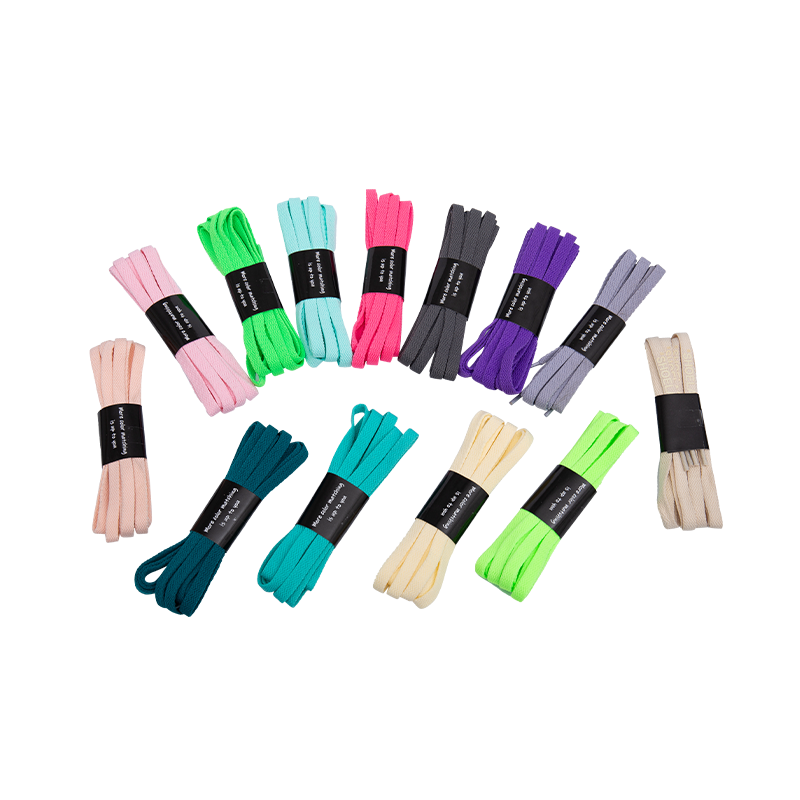
While this guide focuses on cotton rope laces, procurement decisions often require comparison between round rope and flat woven lace formats. The following table covers all relevant performance and aesthetic dimensions to support specification decisions:
| Parameter | Round Cotton Rope Laces | Flat Cotton Laces |
|---|---|---|
| Cross-section | Circular — consistent diameter | Rectangular — width × thickness |
| Knot security | Excellent — round geometry resists knot slippage | Good — flat surface provides friction but can loosen |
| Aesthetic | Heritage, premium, sporty — distinctive rope texture | Classic, clean, standard — conventional shoe appearance |
| Eyelet compatibility | Best for round eyelets — precise diameter match | Better for wide flat eyelets and speed hooks |
| Tensile strength | Higher per unit diameter — braid structure distributes load | Good — woven structure provides adequate strength |
| Abrasion resistance | Moderate — outer braid protects core | Good — flat profile distributes contact stress |
| Typical applications | Dress shoes, fashion sneakers, work boots, heritage styles | Athletic shoes, running shoes, general casual footwear |
| Pre-shrinking requirement | Yes — mandatory for premium and export products | Yes — mandatory for premium and export products |
3. Key Applications by Footwear Category
3.1 Sneakers and Casual Footwear
Cotton rope laces have experienced significant demand growth in the sneaker and casual footwear segment, driven by the broader trend toward natural materials, sustainable fashion, and vintage-inspired aesthetics in lifestyle footwear. Thick cotton rope laces for sneakers — particularly in bold solid colors, natural ecru, and tonal combinations — are specified by footwear designers as a styling element that differentiates product lines within a brand's collection. The tactile quality of cotton rope (softer and warmer than polyester rope laces) enhances the perceived product quality of cotton canvas and leather casual sneakers, creating a material coherence that resonates with premium casual and heritage-positioned brands.
3.2 Work Boots and Safety Shoes
Cotton rope laces for boots and work shoes must satisfy both performance specifications and, in safety-critical applications, compliance with occupational footwear standards. EN ISO 20345 (safety footwear) and ASTM F2413 (US standard for protective footwear) do not directly specify lace requirements, but specifying laces that conform to ISO 22774 (footwear accessories — laces) ensures that breaking load, elongation, and dimensional stability requirements appropriate to safety footwear are met. Natural cotton's biodegradability and absence of synthetic fiber shedding are increasingly valued by procurement managers in industries with environmental sustainability commitments — a differentiating factor for cotton over polyester laces in work boot applications.
3.3 Dress Shoes and Oxford Styles
The dress shoe segment — Oxford, Derby, Brogue, and loafer styles — represents the highest value-per-unit application for cotton rope laces due to the premium pricing of the footwear itself and the brand's requirement for lace quality that matches the craftsmanship of the shoe. Waxed cotton rope laces for dress shoes at 2.5–3.5 mm diameter, with brass metal aglets and Pantone-matched colors, are specified by premium and luxury footwear brands as a component whose quality communicates brand values at the point of consumer unboxing — the first tactile interaction the customer has with the product before wearing.
3.4 Outdoor and Hiking Footwear
Outdoor and hiking footwear applications require cotton rope laces with the highest combination of tensile strength, abrasion resistance, and dimensional stability. Lace lengths of 150–180 cm accommodate the 10–14 eyelet pairs typical of full-height hiking boots. Wax treatment is specified for moisture management and reduced dirt accumulation on trail surfaces. The natural UV resistance of cotton (superior to untreated polyester) benefits laces in high-altitude outdoor environments with elevated UV exposure — a technically relevant specification advantage for hiking and mountaineering footwear applications.
4. How to Choose the Right Cotton Rope Laces
4.1 Diameter and Length Selection by Shoe Type
Correct diameter and length specification prevents the most common quality failures in footwear lace procurement — threading difficulty (lace too thick for eyelet), sloppy appearance (lace too thin for eyelet), and insufficient lace length for proper bow formation after lacing. The following selection guide covers the primary footwear categories:
| Shoe Type | Eyelet Pairs | Recommended Diameter | Recommended Length (cm) | Recommended Finish |
|---|---|---|---|---|
| Oxford / Derby dress shoe | 4–5 pairs | 2.5–3.0 mm | 60–75 cm | Waxed, brass aglet |
| Low-top casual sneaker | 5–6 pairs | 3.5–4.5 mm | 75–90 cm | Unwaxed, plastic aglet |
| High-top sneaker | 7–9 pairs | 4.5–6.0 mm | 100–120 cm | Unwaxed or waxed, plastic aglet |
| Chukka / ankle boot | 3–4 pairs | 4.0–5.0 mm | 75–90 cm | Waxed or unwaxed, metal aglet |
| Work boot (mid-height) | 6–8 pairs | 5.0–6.5 mm | 110–140 cm | Unwaxed, plastic aglet |
| Hiking / full-height boot | 10–14 pairs | 5.0–6.5 mm | 150–180 cm | Waxed, heavy plastic or metal aglet |
4.2 Color Options and Dyeing Standards
Color specification for cotton rope laces must address both the visual color match to the footwear upper and the technical durability of the dyeing under washing, abrasion, and light exposure. Cotton is dyed using reactive dyes (for bright, wash-fast colors on cellulosic fibers), vat dyes (for deep, lightfast colors particularly blacks and navies), or direct dyes (economy grade, lower wash fastness). Key color fastness standards for cotton rope laces in export footwear:
- Color fastness to washing (ISO 105-C06): Minimum Grade 4 (slight staining of adjacent white fabric) for all fashion and casual footwear applications; Grade 4–5 required for premium and luxury footwear brands.
- Color fastness to rubbing (ISO 105-X12): Minimum Grade 3–4 dry, Grade 3 wet — laces that bleed color onto shoe uppers during wet wear generate significant warranty claims and must be excluded through specification and incoming inspection.
- Color fastness to light (ISO 105-B02): Minimum Grade 4 for outdoor footwear laces; Grade 3 acceptable for indoor casual footwear.
- Oeko-Tex Standard 100 certification: Confirms absence of harmful chemicals in dyes and finishing agents — mandatory for export to European markets and increasingly required by US and Japanese premium footwear brands.
4.3 Waxed vs Unwaxed — When Each Is Appropriate
The choice between waxed and unwaxed cotton rope laces is determined by the application's performance requirements and the aesthetic positioning of the footwear:
- Specify waxed: Dress shoes, Oxford styles, heritage boots, premium casual leather footwear, and any application where knot security, eyelet threading smoothness, modest water repellency, and refined surface appearance are priorities.
- Specify unwaxed: Athletic footwear, canvas sneakers, work boots, and budget-tier casual footwear where the softer hand, better moisture absorption (relevant for athletic use), and lower cost of unwaxed construction are advantages. Unwaxed cotton rope laces are also preferred for footwear marketed on natural material credentials — the unwaxed surface maximizes the cotton's natural texture and breathability.
- Avoid waxed in high-temperature environments: Wax coatings soften at temperatures above 40°C — footwear stored in hot vehicles or exposed to direct sunlight at elevated temperatures may develop wax migration or surface blooming. For footwear distributed in hot-climate markets, specify paraffin or microcrystalline wax formulations with higher melting points rather than soft beeswax coatings.
4.4 Custom Length Cotton Rope Laces Bulk Order — OEM/ODM Options
For footwear brands requiring custom length cotton rope laces bulk order supply, customization extends across multiple specification dimensions that differentiate a brand's lace from standard catalog products:
- Custom length: Any length from 30 cm to 300 cm cut and tipped to specification — enabling precise matching of lace length to the eyelet count and lacing pattern of the specific shoe model.
- Custom diameter: Non-standard diameters outside the 3–6 mm standard range can be produced for footwear designs with unusual eyelet specifications or distinctive chunky/fine aesthetic requirements.
- Custom color matching: Pantone color matching to the footwear upper, outsole, or brand color palette — ensuring visual consistency across the complete shoe product.
- Custom aglet specification: Aglet material (plastic, metal), color, finish, dimensions, and embossing or printing of brand logo or text on the aglet surface.
- Custom packaging: Individual polybag with header card, multi-pack retail packaging, bulk carton — aligned to the footwear brand's retail presentation requirements and logistics chain specifications.
5. Wholesale Sourcing Guide
5.1 Why Buy Round Cotton Rope Laces Wholesale
Sourcing round cotton rope laces wholesale at committed volume levels delivers compounding commercial and operational advantages for footwear manufacturers, distributors, and retail brands:
- Unit cost reduction: Wholesale pricing for cotton rope laces delivers 40–65% lower unit cost compared to small-quantity or spot purchasing. At production-scale volumes (50,000+ pairs per order), yarn purchasing efficiency, machine setup amortization, and dyeing batch economics combine to produce significantly lower per-unit manufacturing cost that is passed through to the wholesale buyer.
- Color and specification consistency: A single production run from one dye lot ensures consistent color, diameter, and length across the entire order — eliminating the inter-lot color variation that is visible when laces from different production batches are used in the same footwear model across different production runs.
- Custom specification access: Non-standard diameters, custom lengths, Pantone color matching, custom aglets, and branded packaging are accessible only at wholesale minimum order volumes that justify dedicated production setup and tooling costs.
- Supply continuity: A forward-committed wholesale relationship with a qualified manufacturer provides supply chain continuity through raw material price cycles and production capacity constraints — reducing the risk of production delays caused by lace component shortages.
5.2 MOQ, Lead Time, and Packaging Options
| Parameter | Standard Stock Items | Custom Specification Items |
|---|---|---|
| MOQ | 500–2,000 pairs per color/length | 3,000–10,000 pairs (color and construction dependent) |
| Lead time | 7–15 working days | 25–45 working days (yarn prep + dyeing + braiding + tipping + QC) |
| Standard packaging | Bulk polybag, 100–500 pairs per bag | Individual polybag, header card, retail box — per buyer spec |
| Export carton | Standard export carton + pallet | Custom inner packaging per brand logistics requirements |
| Color options | Standard color range (20–50 colors) | Pantone color matching — any color achievable in reactive/vat dye system |
| Payment terms | 30–50% deposit, balance before shipment | 30–50% deposit, balance on sample approval + pre-shipment inspection |
5.3 Quality Certifications: Oeko-Tex and International Standards
For cotton rope laces destined for export to European, North American, and Japanese footwear markets, the following certification and compliance documentation should be verified as part of supplier qualification:
- Oeko-Tex Standard 100: The most recognized textile safety certification globally — confirms that all components of the lace (yarn, dyes, finishing agents, aglet materials) have been tested and certified free from harmful substances including heavy metals, formaldehyde, pesticide residues, allergenic dyes, and pH deviations. Mandatory for European market export and increasingly required by US and Japanese premium footwear brands as a supplier qualification prerequisite.
- ISO 22774:2011: International standard for footwear accessories — laces. Specifies test methods and minimum performance requirements for breaking load, elongation, and dimensional change after washing. Compliance with ISO 22774 provides the technical performance baseline required for safety footwear specification.
- REACH compliance (EU Regulation 1907/2006): Required for all textile and accessory products exported to the EU — confirming absence of Substances of Very High Concern (SVHC) above 0.1% w/w in any article component, including dyes and finishing agents.
- ISO 9001 quality management system certification: Confirms systematic production quality control covering raw material incoming inspection, in-process quality monitoring, and finished product testing — the foundational quality assurance framework required by most footwear brand procurement programs.
5.4 How to Evaluate a Reliable Cotton Rope Lace Supplier
Supplier evaluation for cotton rope laces should go beyond certification documentation review to assess the manufacturing capability and commercial reliability that determines long-term supply chain performance:
- In-house braiding equipment capability: Suppliers with their own narrow-fabric braiding machines (8, 12, and 16-carrier configurations), warping machines, and pre-shrinking equipment have direct control over construction quality and production scheduling — unlike traders who subcontract production and have limited quality visibility.
- In-house dyeing capability: Own-dyehouse operation enables Pantone color matching accuracy, dye lot consistency control, and rapid color development for custom orders — critical for footwear brands requiring precise color matching to upper leathers and brand palettes.
- Testing laboratory: In-house testing for breaking load (dynamometer), color fastness (Crockmeter, light fastness cabinet), dimensional stability, and pre-shrink performance demonstrates quality management depth beyond reliance on third-party testing for final product release.

Over the years, we have been providing high-quality, safe and reliable products for the clothing and footwear industries.
- Quick Links
- Contact Information
-
-
 NO.137-1 Chenglu Road, Huashi Town, Jiangyin City214421, Jiangsu, China
 -
 +86 138-0616-9220
 -
 Lhbhzd@126.com
bh@jyribbon.com
sales2@jyribbon.com
-
- Mobile QR Code

