


 English
  русский
  Español
Industry News
Mar 17,2026
Where to Buy Quality Cream Flat Laces?
Content
- 1 Why Cream Flat Laces for Sneakers Are a Style Staple
- 2 Material Matters: Cotton vs. Polyester
- 3 Sizing Guide: Wide Cream Shoelaces and Standard Options
- 4 Matching Tips: Cream Colored Shoelaces for Boots
- 5 Trusted Manufacturer: Jiangyin City Baihong Weaving Band Co.,Ltd
- 6 Conclusion
- 7 Frequently Asked Questions (FAQ)
- 8 References
In the competitive landscape of garment and footwear accessories, the choice of components plays a pivotal role in the final product's aesthetic and functional quality. Cream flat laces have become a staple in the industry, prized for their versatility and timeless appeal. For wholesalers and manufacturers, sourcing these components requires a focus on material consistency, durability, and supplier reliability. This guide explores the technical and stylistic considerations of selecting premium shoelaces for various applications.
Why Cream Flat Laces for Sneakers Are a Style Staple
The resurgence of retro and vintage fashion trends has cemented the popularity of cream flat laces for sneakers. Unlike stark white laces, cream offers a softer, off-white hue that complements a wide range of materials, from suede to canvas. Technically, flat laces provide a broader surface area for friction, resulting in more secure knots compared to round laces. This geometric advantage reduces the likelihood of the bow untying during physical activity, making them a preferred choice for athletic and casual footwear manufacturers aiming to combine style with utility.
Material Matters: Cotton vs. Polyester
When specifying shoelaces for production, the choice of fiber is the primary determinant of performance and texture. The industry standard typically oscillates between natural and synthetic fibers, each offering distinct mechanical properties.
Benefits of Flat Cotton Shoelaces Cream
For applications prioritizing comfort and a premium feel, flat cotton shoelaces cream are the superior option. Cotton fibers offer excellent absorbency and breathability, which prevents slippage caused by sweat. Furthermore, cotton provides a soft "hand feel" and a matte finish that aligns with high-end fashion aesthetics. Environmentally, cotton is a renewable resource, making it a favorable choice for brands focusing on sustainability and eco-friendly product lines.
| Feature | Cotton Shoelaces | Polyester Shoelaces |
| Texture | Soft, natural, matte finish. | Smoother, often slightly glossy. |
| Durability | Good, but prone to fraying over time if not tipped properly. | High abrasion resistance; highly durable. |
| Color Retention | May fade with repeated washing. | Excellent colorfastness; resists fading. |
| Best Use Case | Casual wear, fashion sneakers, eco-friendly lines. | Sporting goods, outdoor boots, heavy-duty use. |
Sizing Guide: Wide Cream Shoelaces and Standard Options
Specifying the correct width and length is crucial for B2B procurement to ensure the lace fits the eyelets and functional requirements of the shoe. Wide cream shoelaces, typically ranging from 8mm to 12mm, are often utilized for boot applications or statement fashion sneakers where a bolder look is desired. Conversely, standard widths (3mm to 5mm) are reserved for dress shoes or tight-knit sneakers. Engineers must consider the tension distribution; wider laces distribute pressure more evenly across the foot's bridge, enhancing comfort for tight lacing.

- 3mm - 5mm: Suitable for dress shoes and lightweight sneakers.
- 6mm - 7mm: Standard width for most casual sneakers.
- 8mm+: ideal for boots, work shoes, and wide-eyelet designs.
Matching Tips: Cream Colored Shoelaces for Boots
When designing footwear for autumn and winter collections, designers frequently select cream colored shoelaces for boots. The cream tone creates a striking contrast against darker leathers like tan, brown, and burgundy, highlighting the boot's craftsmanship. Technically, for boot applications, it is advisable to select laces with a tighter weave or reinforced core to withstand the higher tension and abrasion associated with rugged terrain. The thermal stability of the dye is also critical to ensure the cream color does not yellow or degrade when exposed to sunlight or moisture over extended periods.
How to Style Cream White Shoe Strings
Understanding consumer styling preferences helps manufacturers curate better product lines. Cream white shoe strings are frequently used to "age" a product visually, giving it a worn-in, vintage aesthetic straight out of the box. This is particularly popular in the workwear and heritage boot sectors. For sneaker customization, swapping standard laces for cream ones can instantly lift the visual profile of the shoe, offering a "midtone" break between the sole and the upper, which is a key trend in contemporary streetwear.
Trusted Manufacturer: Jiangyin City Baihong Weaving Band Co.,Ltd
Securing a reliable supply chain is the foundation of successful footwear production. Jiangyin City Baihong Weaving Band Co.,Ltd stands as a veteran in the textile accessories market. Established in 2002, the company has dedicated over two decades to providing high-quality, safe, and reliable products for the garment and shoe industries.
Two Decades of Weaving Excellence
Located in Jiangyin City with convenient transportation access near Shanghai and Ningbo ports, Baihong leverages a strategic logistical advantage for global exports. The company engages in the comprehensive research and development of elastic bands, cotton webbing, polyester webbing, and shoelaces. With a dedicated R&D team and an in-house testing lab, they ensure that every batch of cream flat laces meets rigorous physical and chemical standards.
Advanced Production and Quality Certification
To maintain a competitive edge, the company has integrated advanced machinery, including narrow-fabric needle looms, Jacquard woven machines, pre-shrinking machines, and warping machines. This equipment guarantees consistent weave density and dimensional stability. Furthermore, Baihong has obtained 100% Oeko-Tex certificates, ensuring that all products are free from harmful substances and compliant with international standards. Their products are exported extensively to Europe, America, and Japan, serving clients who prioritize quality and safety.
Conclusion
The selection of cream flat laces involves a balance of aesthetic judgment and technical specification. From choosing the right fiber composition to determining the optimal width for specific footwear types, every detail contributes to the final product's value. Partnering with an experienced manufacturer like Jiangyin City Baihong Weaving Band Co.,Ltd ensures access to certified materials, advanced weaving technology, and a supply chain built on two decades of industry trust.
Frequently Asked Questions (FAQ)
- What is the difference between cream and white shoelaces?
White shoelaces are typically a pure, bright white (often bleached), whereas cream shoelaces have a slightly yellowish or off-white tint. This subtle difference gives cream laces a warmer, vintage, or more natural look that is currently trending in fashion.
- How do I prevent cream cotton laces from fraying?
High-quality laces are tipped with strong plastic or metal aglets. For B2B orders, ensuring the manufacturer uses heat-sealing technology or high-grade tipping compounds is essential to prevent the yarn ends from unraveling during use.
- Are polyester or cotton laces better for heavy-duty boots?
Polyester laces are generally better for heavy-duty use due to their higher tensile strength and resistance to abrasion and rot. However, high-quality woven cotton laces can also be used for fashion boots where style takes precedence over extreme durability.
- What does Oeko-Tex certification mean for shoelaces?
Oeko-Tex certification guarantees that the textile product has been tested for harmful substances and is safe for human health. It is a critical certification for brands exporting to the EU and US markets, ensuring compliance with strict chemical regulations.
- Can flat laces be used for formal dress shoes?
Traditionally, dress shoes use round waxed laces. However, thin flat laces (3mm-4mm) made of high-quality cotton are increasingly used for contemporary dress shoe designs, offering a modern twist on classic styles.
References
- International Oeko-Tex Association. (2023). Standard 100 by Oeko-Tex: Testing for Harmful Substances.
- ASTM International. (2019). Standard Specification for Performance of Shoelaces. ASTM D5969.
- Collier, B. J., & Tortora, P. G. (2001). Understanding Textiles. Prentice Hall.
- Textile Institute. (2018). The Textile Institute Handbook of Technical Textiles. Woodhead Publishing.
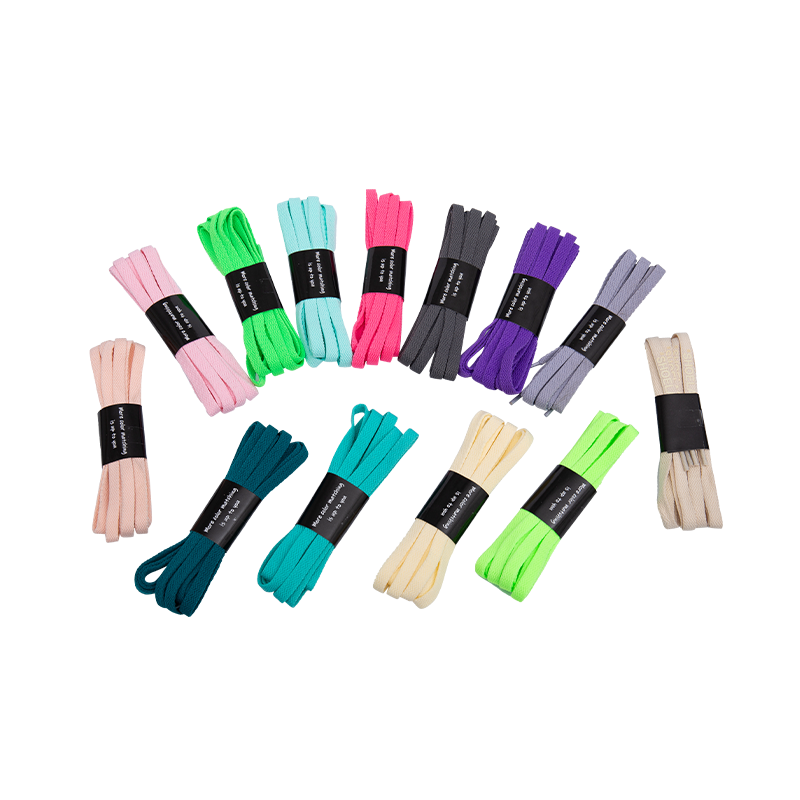
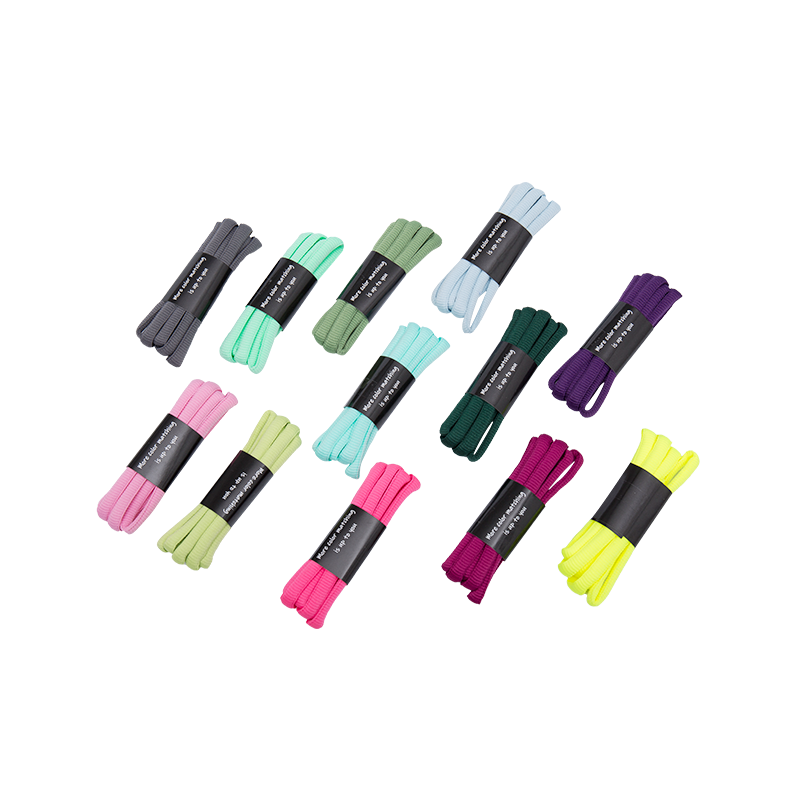
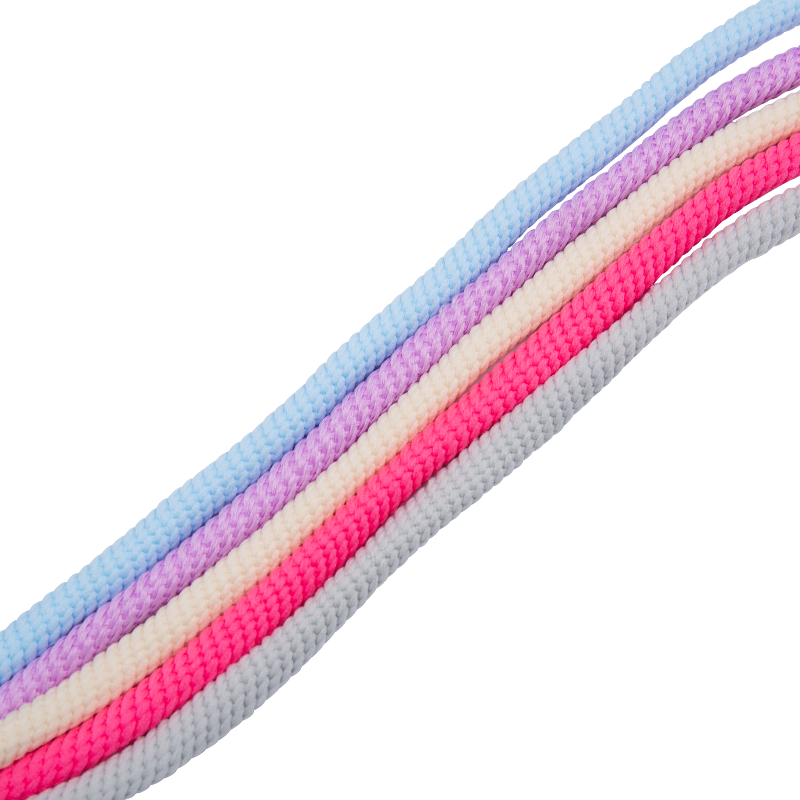

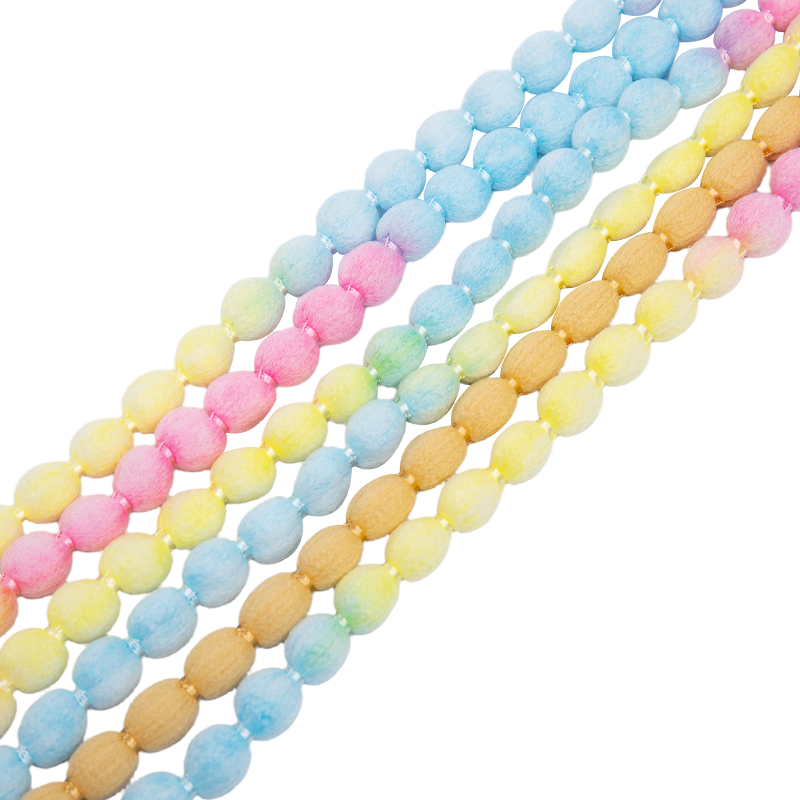
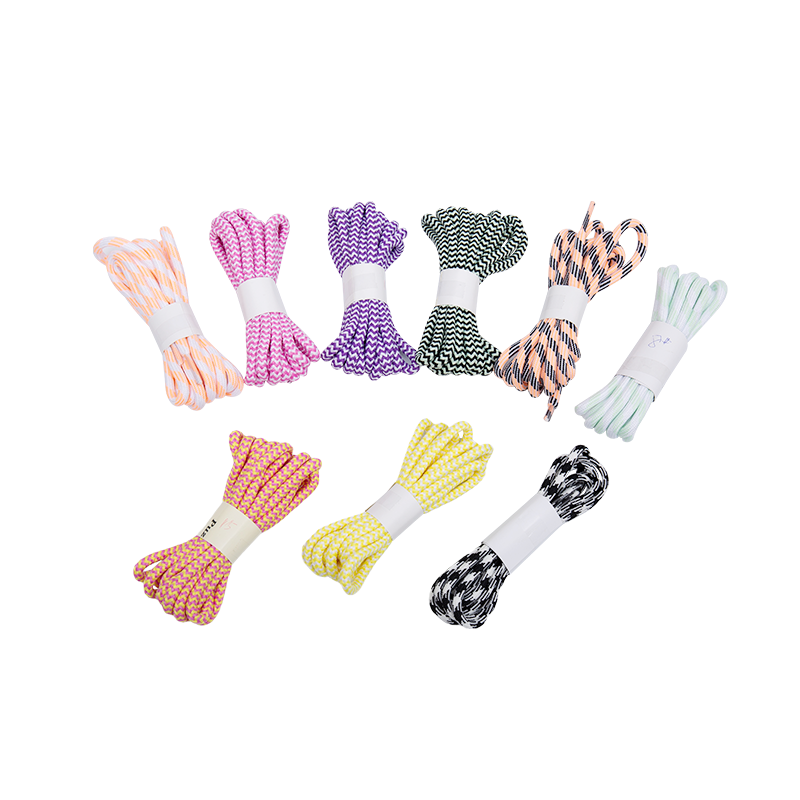
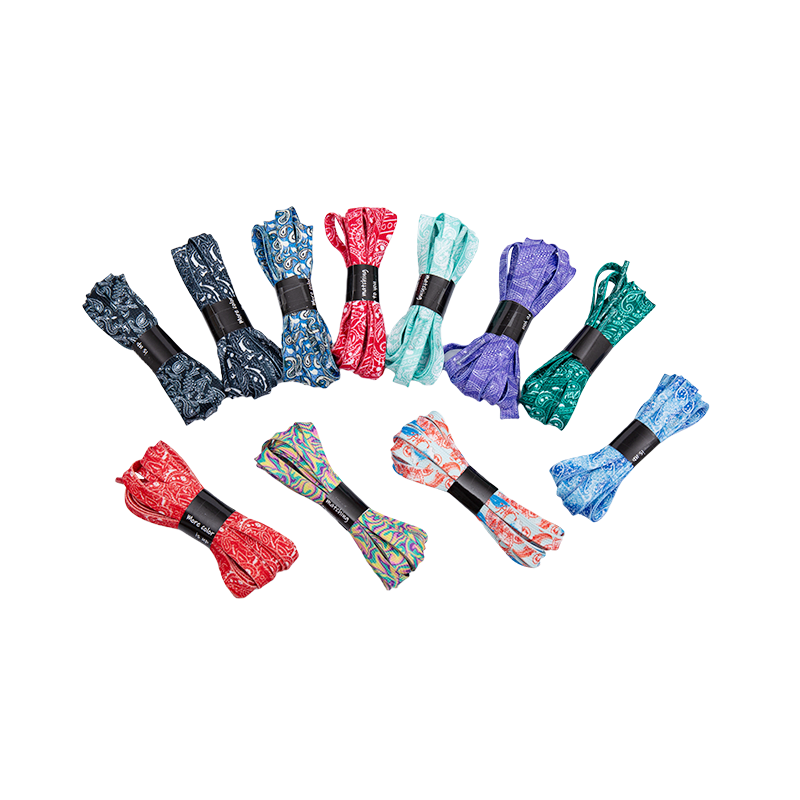
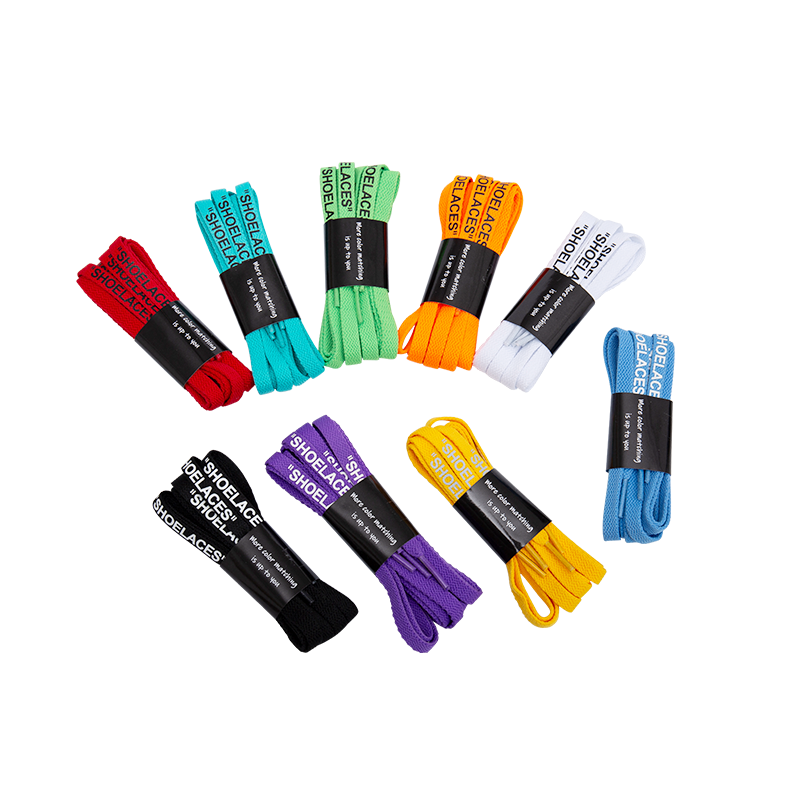

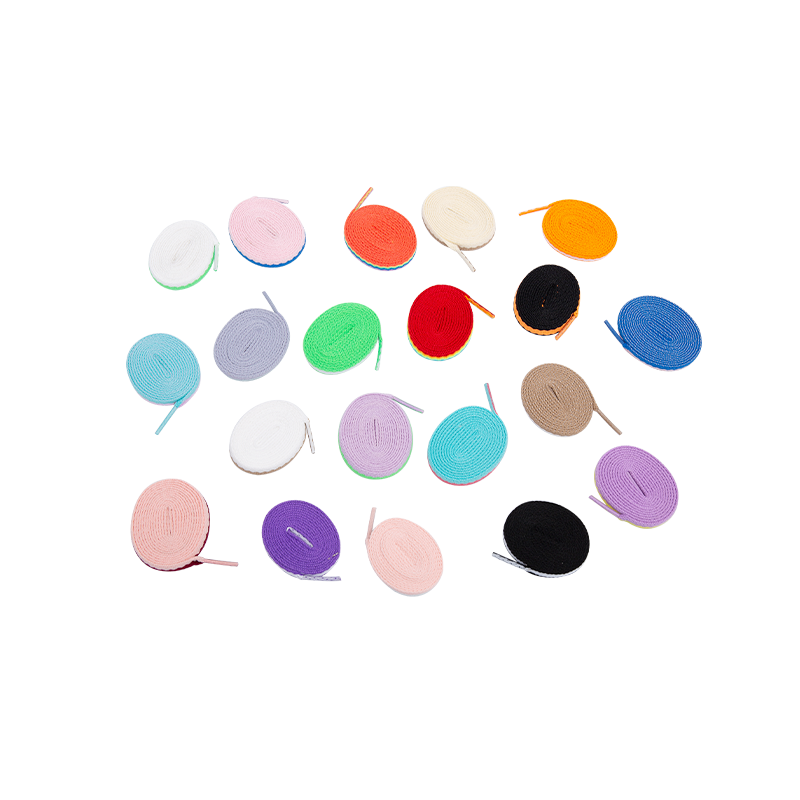

Over the years, we have been providing high-quality, safe and reliable products for the clothing and footwear industries.
- Quick Links
- Contact Information
-
-
 NO.137-1 Chenglu Road, Huashi Town, Jiangyin City214421, Jiangsu, China
 -
 +86 138-0616-9220
 -
 Lhbhzd@126.com
bh@jyribbon.com
sales2@jyribbon.com
-
- Mobile QR Code

