


 English
  русский
  Español
Industry News
Mar 02,2026
How to Style Pom Pom Shoe Laces on Sneakers?
Content
- 1 Understanding Pom Pom Shoe Laces Construction
- 2 How to Put Pom Pom Shoe Laces on Sneakers Correctly?
- 3 What Makes Pom Pom Shoe Laces for Women's Running Shoes Different?
- 4 Why Choose Adjustable Length Pom Pom Shoe Laces?
- 5 What Are the Real Differences in Pom Pom Shoe Laces vs Regular Laces?
- 6 Where to Find Extra Long Pom Pom Shoe Laces for High Tops?
- 7 Frequently Asked Questions (FAQs)
- 7.1 1. Can I machine wash sneakers with pom pom shoe laces attached?
- 7.2 2. What is the maximum pull force before pom poms detach from adjustable length pom pom shoe laces?
- 7.3 3. How do I calculate the correct length for extra long pom pom shoe laces for high tops when ordering in bulk?
- 7.4 4. What are the quantitative durability differences between pom pom shoe laces vs regular laces in high-abrasion environments?
- 7.5 5. Can pom pom shoe laces for women's running shoes affect athletic performance or gait dynamics?
- 8 References
For procurement specialists, footwear designers, and bulk buyers in the fashion accessories industry, understanding the technical specifications and application methods for pom pom shoe laces is essential for product development and quality assurance. This engineering-level guide provides comprehensive analysis of construction methods, material science, and performance characteristics to inform professional purchasing decisions and ensure optimal end-user satisfaction.
Understanding Pom Pom Shoe Laces Construction
The structural integrity of pom pom shoe laces depends on the interplay between the woven base substrate and the decorative pom pom attachments. Each component must be engineered for specific load-bearing requirements and aesthetic durability throughout the product lifecycle.
The Anatomy of Pom Pom Laces
The base substrate is typically manufactured on narrow-fabric needle looms using polyester or cotton yarns with controlled denier (measurement of linear mass density). Polyester offers superior UV resistance and minimal moisture absorption (0.4% vs cotton's 8.5%), while cotton provides natural aesthetics and reduced static cling. The weave architecture—whether plain, twill, or satin—determines the lace's flexibility and knot retention characteristics. Pom poms are attached through specialized techniques including heat-sealed knots that melt yarn ends to prevent fraying, adhesive bonding with cyanoacrylate or hot-melt formulations, or woven-in integration where pom pom yarns are incorporated during the base weaving process.
Material Specifications and Quality Indicators
When specifying pom pom shoe laces for commercial production, the following technical parameters must be verified through certified testing.
| Component | Material Options | Key Properties | Quality Indicator (Test Method) |
|---|---|---|---|
| Lace Base | Polyester (PET), Cotton, Polyester/Cotton blends | Tensile strength: >25kg (ASTM D6770) Elongation: <8% at break (ISO 2062) Dimensional stability: <3% shrinkage after washing (AATCC 135) |
OEKO-TEX Standard 100 certification; consistent denier (±2% tolerance) |
| Pom Pom Yarn | Acrylic, Virgin Wool, Nylon 6.6 | Colorfastness: Grade 4-5 (AATCC 61) Pilling resistance: Grade 4 minimum (ASTM D3512) Lightfastness: Grade 5 after 40 hours (AATCC 16) |
Even trimming diameter (±1mm tolerance); dense fiber packing (>0.3g/cm³) |
| Attachment Method | Heat-sealed knots, Hot-melt adhesive, Woven-in integration | Pull-out strength: >5kg static load Thermal stability: -20°C to 60°C cycling Hydrolysis resistance: 24h water immersion |
No visible adhesive bleed; consistent spacing (±2mm) |
How to Put Pom Pom Shoe Laces on Sneakers Correctly?
Proper installation is critical for both aesthetic presentation and functional performance. Understanding **how to put pom pom shoe laces on sneakers** requires consideration of biomechanical factors and material behavior during dynamic loading.
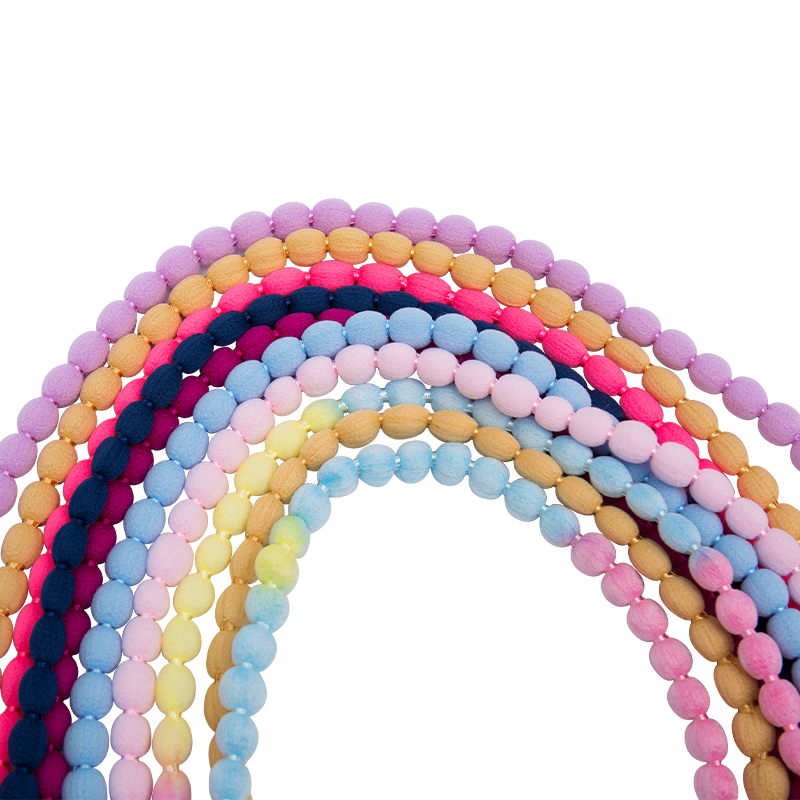
Step-by-Step Installation Guide for Technical Accuracy
Before installation, verify lace length against eyelet count using the formula: L (cm) = (N × 2.5) + 15, where N is the number of eyelet pairs. For high-top configurations, add 20-30cm for ankle wrapping options. The pom poms must be oriented laterally (facing outward) when the foot is in neutral position, requiring calculation of torsion angles during lace tensioning.
Installation Methods Comparison
The choice of lacing pattern affects pressure distribution across the dorsum of the foot and the visual presentation of pom poms. The following table evaluates common methods based on biomechanical and aesthetic criteria.
| Lacing Method | Technical Difficulty (1-5) | Time Required (minutes) | Pressure Distribution (kPa, peak) | Pom Pom Visibility Index | Recommended Application |
|---|---|---|---|---|---|
| Standard Criss-Cross | 1 (Easy) | 2-3 | 15-25 (even) | 8/10 (full lateral exposure) | Casual wear, most sneaker types |
| European Straight (Bar Lacing) | 3 (Moderate) | 5-7 | 20-30 (concentrated at cross-points) | 6/10 (partial coverage) | Dress sneakers, symmetrical aesthetic |
| Ladder Lacing | 4 (Advanced) | 8-10 | 25-35 (high at rungs) | 9/10 (maximizes pom exposure) | High-top fashion statements, runway styles |
| No-tie Elastic Conversion | 3 (Moderate) | 10-12 (including modification) | 10-18 (elastic tension variable) | 7/10 (depends on original pattern) | Athletic shoes, convenience-focused users |
Common Installation Errors and Mitigation
- Incorrect pom orientation: Results in pom poms facing inward, causing discomfort and reduced aesthetic impact. Solution: Mark the lateral side before installation.
- Overtensioning: Exceeds 30N force, distorting pom geometry and causing yarn fatigue. Solution: Use tension gauge or "finger-tight plus one pull" method.
- Length miscalculation: Leads to insufficient lace for tying or excessive dangling. Solution: Apply formula L = (N × 2.5) + 15 + A, where A = ankle wrap allowance (0-30cm).
- Eyelet abrasion: Sharp edges on metal eyelets can sever fibers. Solution: Specify eyelet material with radiused edges >0.5mm.
What Makes Pom Pom Shoe Laces for Women's Running Shoes Different?
Athletic applications impose unique performance requirements. Pom pom shoe laces for women's running shoes must balance decorative elements with biomechanical functionality, including moisture management, dynamic stability, and chafe prevention.
Performance Considerations for Athletic Use
During running gait cycles (180-200 steps per minute), laces experience cyclic loading of 50-100N at heel strike and toe-off. Pom poms must withstand this without detachment or displacement. Additionally, the added mass of decorative elements (typically 10-15g per pair) must be minimized to avoid affecting swing phase dynamics. Hydrophilic treatments are essential to wick perspiration away from the foot, preventing maceration and bacterial growth.
Technical Specifications for Athletic Applications
The following table outlines minimum performance requirements for running-grade pom pom shoe laces for women's running shoes based on industry standards and biomechanical research.
| Performance Parameter | Standard Decorative Laces | Running-Specific Pom Pom Laces | Test Method / Standard | Biomechanical Rationale |
|---|---|---|---|---|
| Tensile Strength (kg, dry) | 15-20 | >25 | ASTM D6770 | Withstands peak forces during acceleration/deceleration |
| Tensile Strength (kg, wet, after 24h immersion) | 10-15 (30% loss) | >22 (<15% loss) | ISO 2062 (modified) | Maintains integrity during rain or heavy perspiration |
| Elongation at Break (%) | 8-12 | <5 | ISO 2062 | Minimal stretch ensures consistent foot hold during push-off |
| Abrasion Resistance (cycles to failure) | 500 (eyelet zone) | >2000 (Martindale, 12kPa) | ASTM D4966 / ISO 12947 | Withstands repetitive friction against eyelets and tongue |
| Moisture Management (wetting time, seconds) | >60 (hydrophobic) | <5 (hydrophilic treated) | AATCC 197 / ISO 9073-14 | Rapid wicking prevents blisters and skin maceration |
| Weight per Pair (90cm length, with poms) | 25-40g | <25g | Precision balance (±0.1g) | Minimizes additional mass affecting gait efficiency |
Why Choose Adjustable Length Pom Pom Shoe Laces?
Variable foot dimensions, sock thickness variations, and shared footwear applications create demand for length flexibility. Adjustable length pom pom shoe laces incorporate mechanical systems that allow customization without cutting or replacement.
The Engineering Behind Length Adjustment
Adjustable systems must maintain holding force under dynamic loading (typically 30-50N during activity) while remaining operable by users with varying dexterity. The mechanism must be low-profile to avoid pressure points and corrosion-resistant for longevity. Spring-loaded toggles use compression springs (stainless steel, 0.3-0.5mm wire diameter) to create friction against the lace surface. Cam locks employ eccentric rotation to pinch the lace against a stationary surface, achieving holding forces up to 12kg.

Adjustment Mechanism Comparison
The following table provides engineering analysis of available adjustment mechanisms for adjustable length pom pom shoe laces.
| Mechanism Type | Length Adjustment Range (cm) | Static Holding Force (kg, ASTM D6770) | Mechanical Durability (cycles to failure) | Profile Height (mm) | Operating Force (N to adjust) |
|---|---|---|---|---|---|
| Spring-lock Toggle | ±15 (continuous) | 8-10 | >5000 (toggle spring fatigue) | 4-6 | 5-8 (one-hand operation) |
| Sliding Knot (self-locking) | ±10 (discrete) | 5-7 (friction-dependent) | >3000 (lace abrasion limit) | 8-12 (knot bulk) | 10-15 (two-hand adjustment) |
| Cam Lock (eccentric) | ±12 (continuous) | 10-12 | >8000 (cam surface wear) | 3-5 (low profile) | 15-20 (requires lever actuation) |
| Elastic Cord Integration | ±5 (stretch only) | 3-5 (dynamic tension) | >2000 (elastic fatigue) | 2-3 (minimal) | Continuous tension, no adjustment |
What Are the Real Differences in Pom Pom Shoe Laces vs Regular Laces?
The distinction between decorative and utility laces extends beyond aesthetics to fundamental material science and performance characteristics. Understanding **pom pom shoe laces vs regular laces** is essential for appropriate application selection.
Functional and Aesthetic Comparison
Regular laces prioritize mechanical performance with minimal variation in cross-section, allowing consistent friction through eyelets and secure knot retention. Pom pom laces introduce discontinuities that affect tension distribution and knot-tying dynamics. The added mass of decorative elements (typically 150-200% increase per unit length) alters the kinetic energy during foot swing and may affect proprioceptive feedback.
Comparative Technical Analysis
The following table quantifies the engineering differences between pom pom shoe laces vs regular laces based on standardized test methods.
| Parameter (Test Method) | Pom Pom Shoe Laces | Standard Flat Woven Laces | Standard Round Braided Laces | Engineering Significance |
|---|---|---|---|---|
| Linear Density (g/m, excluding poms) | 8-12 (base only) | 5-8 | 4-7 | Base material often heavier for pom attachment stability |
| Total Weight per Pair (90cm, with poms) | 25-40g | 10-15g | 8-12g | 150-300% mass increase affects swing dynamics |
| Tensile Strength Retention after 1000 flex cycles (%) | 70-85% (pom attachment points weaken) | 92-98% | 95-98% | Attachment points create stress concentrations |
| Knot Security Index (slip distance under 5kg load, mm) | 8-15 (bulk interferes with knot) | 3-6 | 2-5 | Pom poms near tips prevent clean knot formation |
| Friction Coefficient (against metal eyelet, ASTM D1894) | 0.25-0.35 (variable due to poms) | 0.20-0.25 (consistent) | 0.15-0.20 (consistent) | Variable friction affects ease of tightening |
| Expected Lifespan (average wear, hours) | 200-400 (aesthetic degradation) | 800-1200 (mechanical failure) | 1000-1500 (mechanical failure) | Pom poms degrade visually before functional failure |
Where to Find Extra Long Pom Pom Shoe Laces for High Tops?
High-top footwear presents unique dimensional requirements. Extra long pom pom shoe laces for high tops must accommodate increased eyelet counts and the vertical shaft height while maintaining proportional pom pom spacing for visual balance.
Length Requirements for High Top Footwear
High-top sneakers typically feature 8-12 pairs of eyelets compared to 5-7 for low-top configurations. The additional vertical distance (shaft height) of 10-15cm requires proportional length increase to allow proper tightening and tying. The optimal length follows the formula: L = (E × 2.8) + 20 + W, where E is eyelet pairs, and W is ankle wrap allowance (0-30cm).
Length Guide by Shoe Type and Size Range
The following table provides engineering recommendations for extra long pom pom shoe laces for high tops based on shoe specifications and intended styling.
| Shoe Category | Eyelet Pairs (range) | Recommended Length (cm) - Standard Tie | Recommended Length (cm) - Wrap Style | Pom Pom Count Recommendation | Spacing Interval (cm) |
|---|---|---|---|---|---|
| Low-top Sneakers (men's 7-10) | 5-7 | 90-110 | 110-130 | 8-12 | 8-10 |
| Low-top Sneakers (women's 6-9) | 5-7 | 85-100 | 100-120 | 8-10 | 8-10 |
| Mid-top Sneakers | 7-8 | 110-130 | 130-150 | 10-14 | 9-11 |
| High-top Sneakers | 8-10 | 130-150 | 150-170 | 12-18 | 9-12 |
| Extra High / Basketball / Boots | 10-14 | 150-180 | 180-220 | 16-24 | 10-14 |
Material Considerations for Extended Length
Longer laces (exceeding 120cm) experience proportionally higher cumulative tension along their length. The braiding density should increase by 10-15% to prevent "necking" (localized diameter reduction under load) which concentrates stress and leads to premature failure. Polyester offers superior dimensional stability with elongation at break of 12-15% compared to cotton's 20-25%, making it the preferred material for extended lengths. For applications requiring natural fiber aesthetics, polyester-cotton blends (65/35 or 50/50) provide optimal balance of appearance and mechanical performance.
Frequently Asked Questions (FAQs)
1. Can I machine wash sneakers with pom pom shoe laces attached?
Machine washing is not recommended for pom pom laces. The mechanical agitation (typically 30-50G forces in washing machines) causes fiber entanglement, matting of pom poms, and potential detachment. Agitation also accelerates hydrolysis of attachment adhesives. For bulk cleaning, hand wash in cold water (20°C) with mild detergent, gentle squeeze (never wring), and air dry flat away from direct heat. For commercial laundering, use mesh bags and gentle cycles with reduced spin speeds (<400 RPM).
2. What is the maximum pull force before pom poms detach from adjustable length pom pom shoe laces?
Industry standard for pom pom attachment strength is a minimum of 5kg static load applied perpendicular to the lace axis. Premium constructions achieve 8-10kg through woven-in integration or heat-sealed knots. For adjustable mechanisms, the lace itself typically fails at 25-30kg before the adjustment mechanism (rated 8-12kg holding force). Bulk buyers should request pull-test certificates (ASTM D6770 modified) with batch-specific data showing mean detachment force and standard deviation.
3. How do I calculate the correct length for extra long pom pom shoe laces for high tops when ordering in bulk?
Use the formula: L (cm) = (E × 2.8) + 20 + W, where E is the maximum eyelet pairs in your target shoe range, and W is ankle wrap allowance (typically 0-30cm depending on style preferences). For bulk orders covering multiple shoe sizes, provide length in 10cm increments (e.g., 120cm, 130cm, 140cm) and specify ±1cm tolerance. Consider that 95% of high-top users require 130-150cm for standard tying, with 160-180cm for wrap styles. Include specification for distance from tip to first pom pom (typically 15-20cm to allow knot tying without pom interference).
4. What are the quantitative durability differences between pom pom shoe laces vs regular laces in high-abrasion environments?
In standardized abrasion testing (ASTM D4966, 12kPa pressure), regular polyester laces typically survive 2000-3000 cycles before failure. Pom pom laces show failure modes at two locations: the base lace fails at 1500-2500 cycles (slightly reduced due to stress concentrations at attachment points), while pom poms themselves show visible pilling after 500-800 cycles and significant matting after 1200 cycles. For high-abrasion applications (skate shoes, work boots), specify reinforced attachment zones with additional webbing density and heat-set yarn treatments to improve abrasion resistance by 30-40%.
5. Can pom pom shoe laces for women's running shoes affect athletic performance or gait dynamics?
Biomechanical studies indicate that additional mass at the foot periphery (such as pom poms) increases moment of inertia, requiring 2-4% additional energy during swing phase for each 10g added per foot. For recreational runners (<30km/week), this effect is negligible. For competitive athletes, specify lightweight constructions (<25g per pair) with asymmetric pom distribution (fewer poms near the toe box where angular velocity is highest). Additionally, ensure laces meet the tensile and moisture specifications outlined in Section 3 to prevent mid-activity failure or blister formation.
References
1. ASTM International. (2022). ASTM D6770-22 Standard Test Method for Tensile Properties of Yarns. West Conshohocken, PA: ASTM International.
2. ISO. (2021). ISO 2062:2021 Textiles — Yarns from packages — Determination of single-end breaking force and elongation at break using constant rate of extension (CRE) tester. Geneva, Switzerland: International Organization for Standardization.
3. AATCC. (2022). AATCC 135-2022 Dimensional Changes of Fabrics after Home Laundering. Research Triangle Park, NC: American Association of Textile Chemists and Colorists.
4. AATCC. (2021). AATCC 61-2021 Colorfastness to Laundering: Accelerated. Research Triangle Park, NC: American Association of Textile Chemists and Colorists.
5. ASTM International. (2021). ASTM D4966-21 Standard Test Method for Abrasion Resistance of Textile Fabrics (Martindale Abrasion Tester Method). West Conshohocken, PA: ASTM International.
6. International Organization for Standardization. (2020). ISO 12947-2:2016 Textiles — Determination of the abrasion resistance of fabrics by the Martindale method — Part 2: Determination of specimen breakdown. Geneva, Switzerland: ISO.
7. AATCC. (2022). AATCC 197-2022 Vertical Wicking of Textiles. Research Triangle Park, NC: American Association of Textile Chemists and Colorists.
8. Nigg, B.M., & Herzog, W. (2019). Biomechanics of the Musculo-skeletal System (4th Edition). Hoboken, NJ: Wiley-Blackwell. (See Chapter 8: Kinetics of Human Motion).
9. OEKO-TEX. (2023). OEKO-TEX Standard 100: General and Special Conditions. Zurich, Switzerland: International OEKO-TEX Association.
10. ASTM International. (2020). ASTM D1894-20 Standard Test Method for Static and Kinetic Coefficients of Friction of Plastic Film and Sheeting. West Conshohocken, PA: ASTM International.
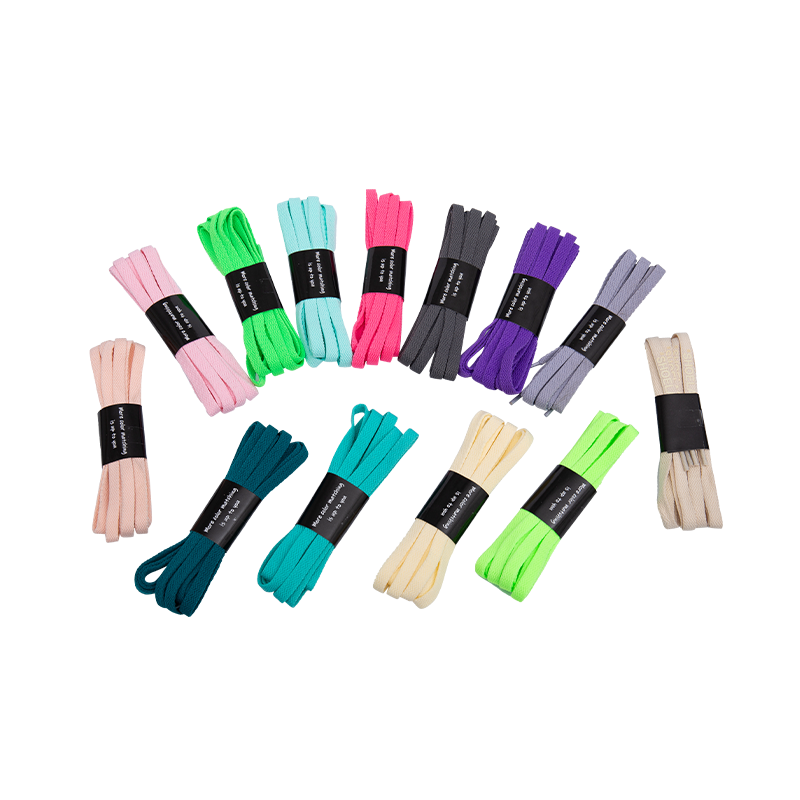
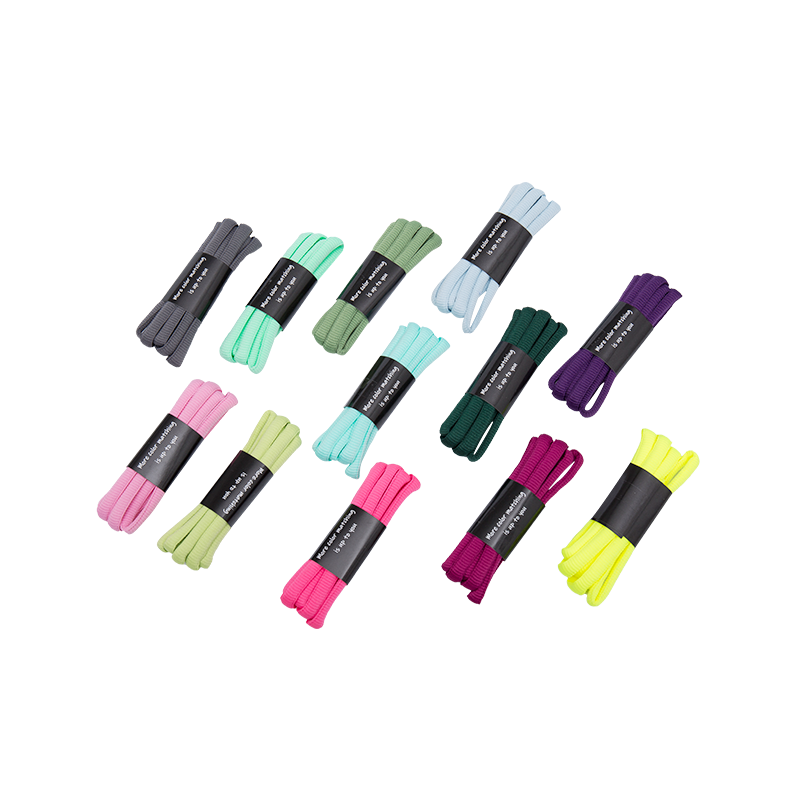
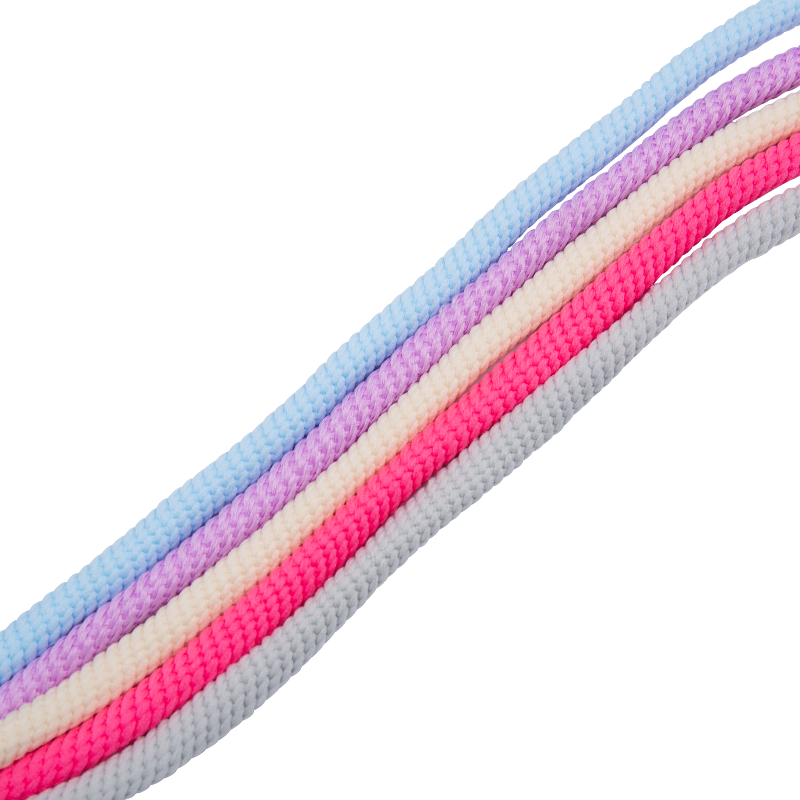

Over the years, we have been providing high-quality, safe and reliable products for the clothing and footwear industries.
- Quick Links
- Contact Information
-
-
 NO.137-1 Chenglu Road, Huashi Town, Jiangyin City214421, Jiangsu, China
 -
 +86 138-0616-9220
 -
 Lhbhzd@126.com
bh@jyribbon.com
sales2@jyribbon.com
-
- Mobile QR Code

