


 English
  русский
  Español
Home / News / Industry News / Printed Cotton Webbing: The Engineering Guide to Durability and Color Fastness

Industry News
Jan 08,2026
Printed Cotton Webbing: The Engineering Guide to Durability and Color Fastness
Content
- 1 Part 1: Deconstructing Durability: The Four Pillars of Longevity
- 2 Part 2: The Science of Color: Engineering Superior Color Fastness
- 3 Part 3: The Procurement Blueprint: From Specification to Validation
- 4 Part 4: Conclusion: Engineering Confidence into Your Product
- 5 Frequently Asked Questions (FAQs)
- 5.1 1. What is the most reliable test to predict how a printed cotton webbing will hold up to daily use?
- 5.2 2. We need vibrant colors that are also eco-friendly. Is pigment printing on organic cotton a durable choice?
- 5.3 3. For a custom brand webbing, should I prioritize weave density or a fancy weave pattern?
- 5.4 4. Why does some webbing bleed color only after several washes, not the first one?
- 5.5 5. How can I quickly assess the quality of a webbing sample from a new wholesale supplier?
For product developers, brand managers, and procurement specialists, printed cotton webbing is more than a trim; it's a critical touchpoint that communicates brand identity and must withstand real-world use. Failures in durability or color fastness translate directly to customer complaints, returns, and brand damage. This guide moves beyond superficial specifications to dissect the material science and manufacturing processes that determine performance. By understanding the engineering from fiber to finish, you can create precise technical specifications, vet suppliers intelligently, and ensure your products excel in durability and maintain vibrant color.
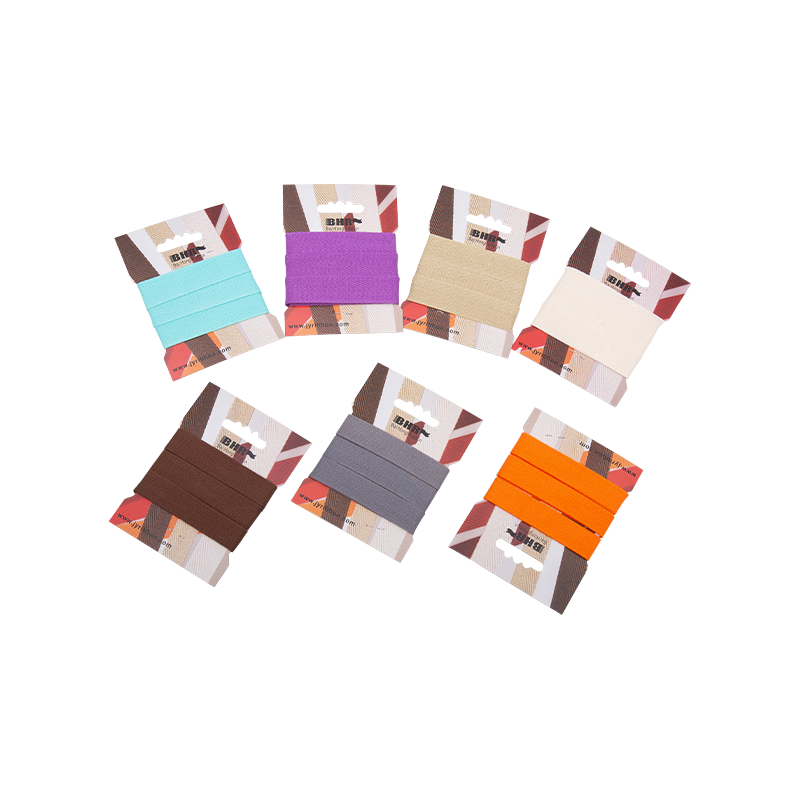
Part 1: Deconstructing Durability: The Four Pillars of Longevity
Durability in printed cotton webbing is not a single property but a composite result of foundational choices. It is engineered through superior raw materials, precise construction, and strategic reinforcements.
1.1 Fiber Origin and Yarn Construction: The Foundation
The journey to durability begins with the cotton fiber. Long-staple cotton varieties, known for their greater fiber length and strength, form a more continuous and robust yarn compared to shorter staple fibers. This intrinsic strength directly translates to higher tensile strength in the final webbing. Furthermore, the yarn construction itself is crucial. A plied yarn, where multiple single strands are twisted together, offers significantly greater resistance to breaking than a single-ply yarn of equivalent thickness.
| Material Factor | Impact on Durability | Key Consideration for Specification |
| Fiber Staple Length (e.g., Long-staple vs. Standard) | Determines inherent yarn strength and smoothness. Longer staples produce stronger, more uniform yarns with less pilling. | Inquire about cotton origin. For high-stress applications, specify yarns sourced from long-staple cotton. |
| Yarn Ply (Single vs. Multi-ply) | Multi-ply yarns dramatically increase tensile strength, abrasion resistance, and dimensional stability. | For printed cotton webbing for bag straps or load-bearing applications, prioritize 2-ply or 3-ply yarn constructions. |
1.2 Weave Density and Structure: The Architectural Blueprint
The weave pattern and density act as the architectural blueprint for stress distribution. A plain weave is common, but a tighter weave density (threads per inch) creates a less porous, more abrasion-resistant fabric. For dynamic applications, a twill weave offers superior flexibility and tear resistance due to its diagonal rib pattern. The relationship is clear: a looser weave will snag and fray more easily, while a tighter, well-engineered weave forms a cohesive, durable unit.
| Weave Characteristic | Functional Performance | Typical Application Fit |
| High Thread Count/Dense Plain Weave | Excellent abrasion resistance, low snag potential, stable structure. | Ideal for custom printed cotton webbing for brands where a smooth print surface and clean, durable edges are paramount. |
| Twill Weave (e.g., 2/2 or 3/1) | Enhanced flexibility, drape, and resistance to tearing forces. Slightly softer hand feel. | Superior for straps that will be repeatedly flexed or adjusted, as the structure accommodates movement better. |
1.3 Finishing Treatments: The Performance Coatings
Post-weave finishing treatments are the unsung heroes of durability. Pre-shrinking (sanforization) processes stabilize the webbing, preventing shrinkage and distortion after washing—a critical feature for any washable and fade-resistant printed cotton webbing. Furthermore, application-specific coatings can be applied. For instance, a light acrylic resin finish can significantly enhance abrasion resistance and soil repellency without drastically altering the natural hand feel of the cotton.
Part 2: The Science of Color: Engineering Superior Color Fastness
Color fastness ensures the visual integrity of your brand's investment. It is a chemical achievement, determined by the dye/pigment selection, fixation process, and post-treatment.
2.1 Printing Method: Dye vs. Pigment Chemistry
The choice between dye and pigment printing is the primary determinant of color behavior. Dye printing involves colorants that molecularly bond with the cotton fiber, resulting in excellent color penetration, a soft hand feel, and good breathability. However, achieving high fastness requires precise control. Pigment printing uses insoluble color particles bound to the fiber surface with a polymer resin (binder). While it offers brilliant opacity and simpler application, it can compromise hand feel and its fastness relies heavily on binder quality and curing.
| Printing Method | Color Fastness Profile | Technical & Commercial Implications |
| Reactive Dye Printing | Potentially excellent wash and rub fastness when properly fixed. Color becomes part of the fiber. | Requires sophisticated wet processing (steaming, washing). Ideal for premium, washable and fade-resistant applications. Higher water/energy use. |
| High-Performance Pigment Printing | Good to excellent light fastness. Wash fastness depends on binder cross-linking. Color sits on fiber. | More sustainable process (lower water/energy). Advancements in eco-friendly binders and softeners make it viable for ECO friendly printed organic cotton webbing. |
2.2 Fixation and After-Treatment: Locking the Color In
Regardless of the method, color must be permanently fixed. For reactive dyes, this involves a controlled steaming process that triggers the covalent bond formation between dye and fiber, followed by thorough soaping to remove any unfixed dye—a critical step to prevent bleeding. For pigments, fixation involves precise thermal curing to cross-link the binder polymer, creating a durable film that encapsulates the color particles. Skipping or abbreviating these steps is a primary cause of fastness failure.
2.3 The Sustainable Choice: Performance in Eco-Webbing
The demand for ECO friendly printed organic cotton webbing introduces specific fastness considerations. While traditional reactive dyes can be used on organic cotton, there is a growing shift toward using GOTS-approved pigments and binders. Recent innovations in binder chemistry have led to plant-based and APEO-free formulations that offer improved softness and durability. According to the Global Organic Textile Standard (GOTS), the latest version of its criteria continues to restrict harmful chemicals used in printing, pushing innovation toward safer, high-performance alternatives.
Source: Global Organic Textile Standard (GOTS) - GOTS Version 7.0 - Revised Criteria
Part 3: The Procurement Blueprint: From Specification to Validation
Translating this technical knowledge into a reliable supply chain requires a disciplined, specification-driven approach, especially when engaging with wholesale printed cotton webbing suppliers.
3.1 Creating a Performance-Driven Technical Specification
Your tech pack must articulate performance needs, not just aesthetics. It should include:
- Physical Durability Specs: Minimum tensile strength (warp-wise), abrasion resistance cycles (Martindale or Wyzenbeek), and pilling resistance rating.
- Color Fastness Requirements: Specify test methods and minimum grades (e.g., Wash Fastness: AATCC 61, 4+; Light Fastness: AATCC 16, 4+).
- Material and Process Mandates: For organic or sustainable lines, specify GOTS or OEKO-TEX® certification requirements.
3.2 Supplier Qualification and Sample Validation
Use your specification to qualify suppliers. Key questions include:
- "Can you provide third-party test reports for the key performance criteria I've specified?"
- "What is your process control for dye fixation/curing, and how is it monitored?"
- "Can we conduct a pilot production run for lab-dip and bulk testing before full order confirmation?"
Industry analysis indicates that technical due diligence is becoming a standard practice. According to a 2024 textile sourcing survey by Just Style, over 65% of brands now mandate pre-production lab testing for color fastness and physical properties with new suppliers, reflecting a shift toward risk-averse, data-driven procurement.
Source: Just Style - 2024 Report on Evolving Textile Sourcing Strategies
3.3 Total Cost of Ownership (TCO) Analysis
For custom printed cotton webbing for brands, evaluate cost beyond unit price. Investing in superior fiber, a denser weave, and certified high-fastness printing reduces the risk of batch failure, product returns, and brand reputation damage. This TCO perspective justifies partnerships with technically proficient suppliers over those competing on price alone.
Part 4: Conclusion: Engineering Confidence into Your Product
Durability and color fastness in printed cotton webbing are not inspected into a product but engineered into it from the start. By mastering the interplay of fiber science, structural engineering, and color chemistry, you transition from a passive buyer to an informed specifier. This knowledge empowers you to build a resilient supply chain, mitigate product failure risks, and ultimately deliver goods that uphold your brand's promise of quality and longevity.
Frequently Asked Questions (FAQs)
1. What is the most reliable test to predict how a printed cotton webbing will hold up to daily use?
For durability, the Martindale Abrasion Test is a key indicator. It measures how many rubs the fabric can withstand before showing wear or thread break. For color, the AATCC 61 (Colorfastness to Laundering) test is critical. Always request certified test reports for these standards from your supplier.
2. We need vibrant colors that are also eco-friendly. Is pigment printing on organic cotton a durable choice?
Yes, modern ECO friendly printed organic cotton webbing using GOTS-approved high-performance pigment systems can be an excellent choice. The key is the binder formulation. Advanced, eco-conscious binders now offer excellent wash and rub fastness, making them suitable for many applications without sacrificing sustainability goals.
3. For a custom brand webbing, should I prioritize weave density or a fancy weave pattern?
For custom printed cotton webbing for brands where print clarity and longevity are paramount, prioritize a high-density plain weave first. This provides the smoothest, most stable canvas for printing and the best inherent durability. Aesthetic weave patterns can be considered if the application is less abrasive and durability requirements are moderate.
4. Why does some webbing bleed color only after several washes, not the first one?
This typically indicates inadequate soaping/washing after dyeing, leaving hydrolyzed (unfixed) dye in the fibers. This weak dye is gradually released over multiple wash cycles. It underscores the importance of proper fixation processes and why asking suppliers about their post-print washing protocols is essential for washable and fade-resistant products.
5. How can I quickly assess the quality of a webbing sample from a new wholesale supplier?
Perform these simple checks: 1) Stretch Test: Stretch it firmly; it should rebound with minimal permanent deformation. 2) Edge Inspection: The selvedge should be tight and not fray easily. 3) Color Rub Test: Rub the printed surface vigorously with a damp white cloth; significant color transfer is a major red flag for fastness.

Over the years, we have been providing high-quality, safe and reliable products for the clothing and footwear industries.
- Quick Links
- Contact Information
-
-
 NO.137-1 Chenglu Road, Huashi Town, Jiangyin City214421, Jiangsu, China
 -
 +86 138-0616-9220
 -
 Lhbhzd@126.com
bh@jyribbon.com
sales2@jyribbon.com
-
- Mobile QR Code

