


 English
  русский
  Español
Home / News / Industry News / What Makes Herringbone Cotton Webbing Stronger and More Stable Than Plain Woven Webbing?

Industry News
Jan 15,2026
What Makes Herringbone Cotton Webbing Stronger and More Stable Than Plain Woven Webbing?
Content
- 1 Understanding the Structural Difference Between Herringbone and Plain Woven Webbing
- 2 How Weaving Structure Improves Load Distribution and Stability
- 3 Tensile Strength and Mechanical Performance Comparison
- 4 Durability Advantages in Furniture, Upholstery, and Repetitive-Use Applications
- 5 Suitability of Herringbone Cotton Webbing for Industrial Strapping Applications
- 6 Material Composition and Sustainability Considerations
- 7 How Engineered Textile Solutions Enhance Performance Consistency
- 8 Key Takeaways for Choosing Between Herringbone and Plain Woven Webbing
- 9 Frequently Asked Questions
- 9.1 1. Why is herringbone cotton webbing stronger than plain woven webbing?
- 9.2 2. Is herringbone cotton webbing suitable for load-bearing applications?
- 9.3 3. How does weave structure affect tensile strength?
- 9.4 4. Can herringbone cotton webbing be used in furniture applications?
- 9.5 5. Is herringbone cotton webbing more sustainable?
In technical textile applications, structural stability and mechanical consistency are critical selection factors. Herringbone Cotton Webbing is widely recognized for its enhanced load distribution, resistance to deformation, and long-term durability when compared to conventional plain woven webbing.
According to the 2024 update of textile performance evaluation guidelines published by the International Organization for Standardization (ISO), fabric architecture is now considered as influential as fiber type in determining tensile stability and fatigue resistance in narrow fabrics used for industrial and furniture applications.
Source: ISO Narrow Fabric Mechanical Performance Guidelines
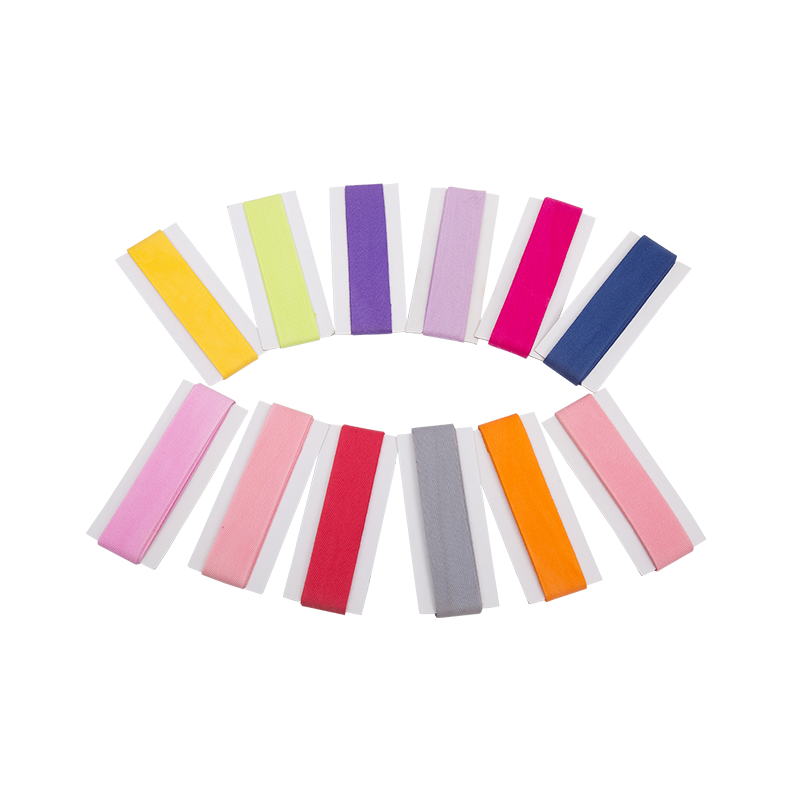
Understanding the Structural Difference Between Herringbone and Plain Woven Webbing
The defining characteristic of Herringbone Cotton Webbing lies in its alternating diagonal weave pattern. This geometry creates multiple interlocking load paths, while plain woven webbing follows a linear over-under structure with limited stress dispersion capability.
Structurally, the herringbone pattern reduces directional bias and improves dimensional stability under tension.
| Weave Structure | Load Distribution | Dimensional Stability |
| Plain Woven | Linear, localized | Moderate |
| Herringbone | Multi-directional | High |
How Weaving Structure Improves Load Distribution and Stability
Load Path and Stress Distribution in Herringbone Weaves
In herringbone cotton webbing for load bearing applications, the alternating diagonal yarn orientation distributes tensile forces across multiple axes. This minimizes localized yarn slippage and reduces peak stress concentration.
Load-Bearing Performance Comparison
Under equivalent load conditions, herringbone webbing maintains uniform elongation, while plain woven webbing exhibits directional stretching.
| Performance Factor | Plain Woven Webbing | Herringbone Cotton Webbing |
| Stress Distribution | Concentrated | Evenly dispersed |
| Load Stability | Moderate | High |
Tensile Strength and Mechanical Performance Comparison
Tensile Strength Behavior Under Repeated Stress
A herringbone cotton webbing tensile strength comparison reveals that repeated loading cycles have less impact on structural integrity due to the self-locking nature of the diagonal weave.
Mechanical Property Comparison
While both structures may show similar initial tensile strength, long-term performance differs significantly.
| Mechanical Property | Plain Woven | Herringbone |
| Tensile Retention | Declines over time | Stable |
| Elastic Recovery | Limited | Improved |
Durability Advantages in Furniture, Upholstery, and Repetitive-Use Applications
Resistance to Deformation and Long-Term Fatigue
Durable herringbone cotton webbing for furniture and upholstery demonstrates superior resistance to creep deformation caused by prolonged seating loads and repetitive motion.
Durability Performance Comparison
Over extended usage cycles, herringbone structures maintain geometry more effectively.
| Durability Metric | Plain Woven | Herringbone |
| Fatigue Resistance | Moderate | High |
| Shape Retention | Variable | Consistent |
Suitability of Herringbone Cotton Webbing for Industrial Strapping Applications
Stability Requirements in Industrial Strapping
Herringbone cotton webbing for industrial strapping use offers enhanced frictional stability and reduced slippage when securing loads under static and dynamic conditions.
Industrial Application Performance Comparison
Plain woven webbing may experience edge curl and alignment drift during industrial fixation.
| Application Factor | Plain Woven | Herringbone |
| Slip Resistance | Moderate | High |
| Load Security | Variable | Stable |
Material Composition and Sustainability Considerations
Cotton Fiber Properties and Environmental Impact
As an eco friendly herringbone cotton webbing material, natural cotton fibers offer renewability and biodegradability while maintaining industrial performance requirements.
According to a 2025 textile sustainability assessment published by the Textile Exchange, optimized fabric structures significantly extend service life, reducing total material consumption.
Source: Textile Exchange Sustainability Reports
Sustainability Comparison with Conventional Webbing Structures
| Sustainability Factor | Plain Woven | Herringbone |
| Service Life | Standard | Extended |
| Material Efficiency | Moderate | High |
How Engineered Textile Solutions Enhance Performance Consistency
Our company focuses on engineered textile solutions by aligning weave architecture, fiber selection, and application environments. Rather than emphasizing isolated specifications, we prioritize system-level performance validation to ensure consistent outcomes across industrial, furniture, and structural use cases.
Key Takeaways for Choosing Between Herringbone and Plain Woven Webbing
- Herringbone structures provide superior load distribution
- Diagonal weaves improve fatigue resistance and stability
- Durability advantages reduce long-term maintenance needs
- Sustainable performance aligns with modern material standards
Frequently Asked Questions
1. Why is herringbone cotton webbing stronger than plain woven webbing?
The diagonal interlocking structure distributes stress more evenly and reduces yarn slippage.
2. Is herringbone cotton webbing suitable for load-bearing applications?
Yes, it is commonly used where stability and consistent load distribution are required.
3. How does weave structure affect tensile strength?
Weave geometry determines how forces are transferred and retained under repeated stress.
4. Can herringbone cotton webbing be used in furniture applications?
Its fatigue resistance and shape retention make it ideal for seating and upholstery systems.
5. Is herringbone cotton webbing more sustainable?
Longer service life and efficient material usage improve its overall environmental profile.
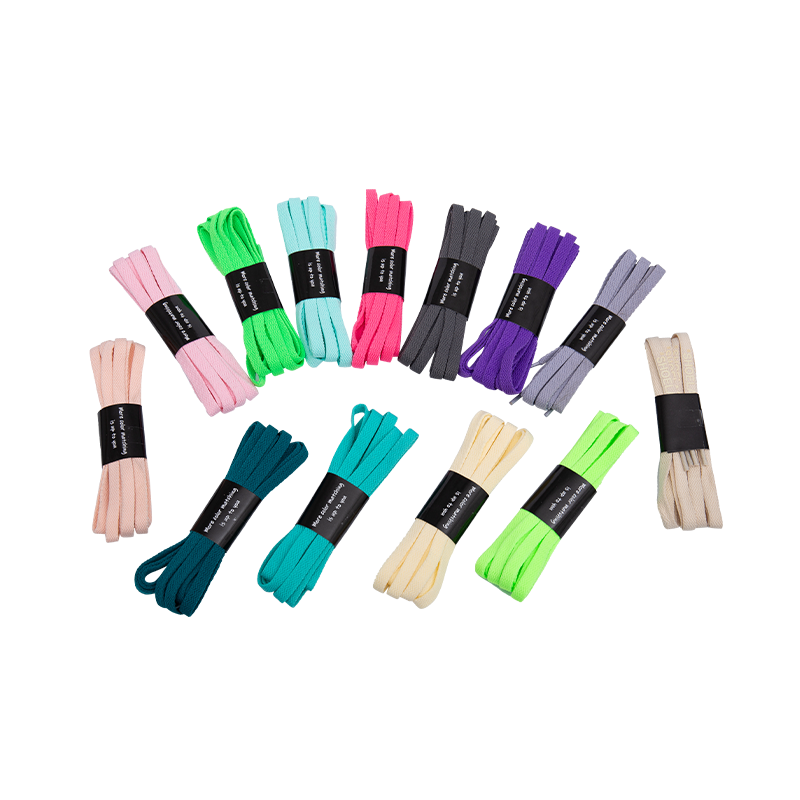
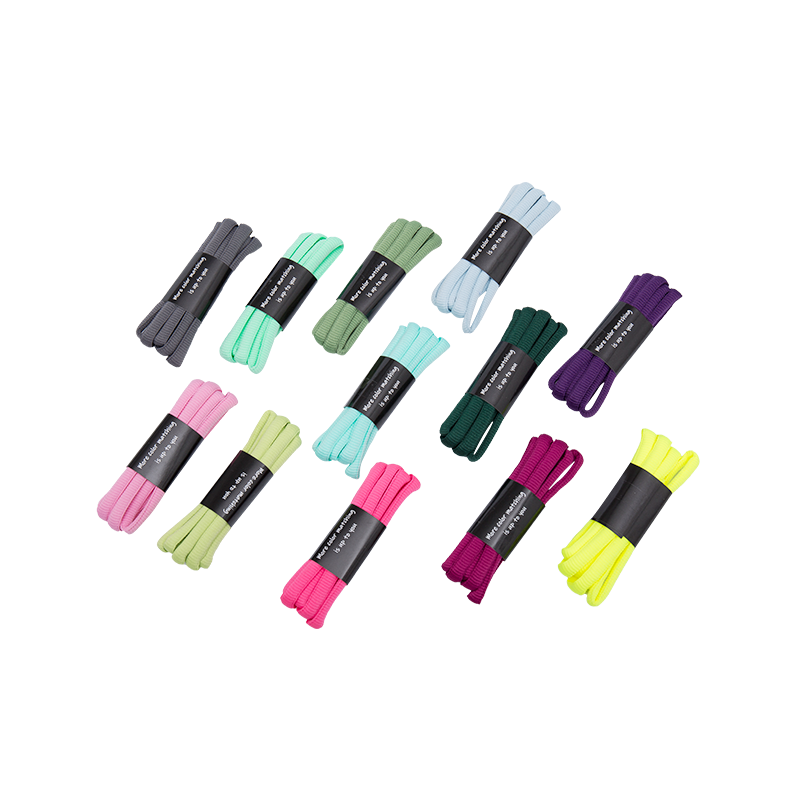
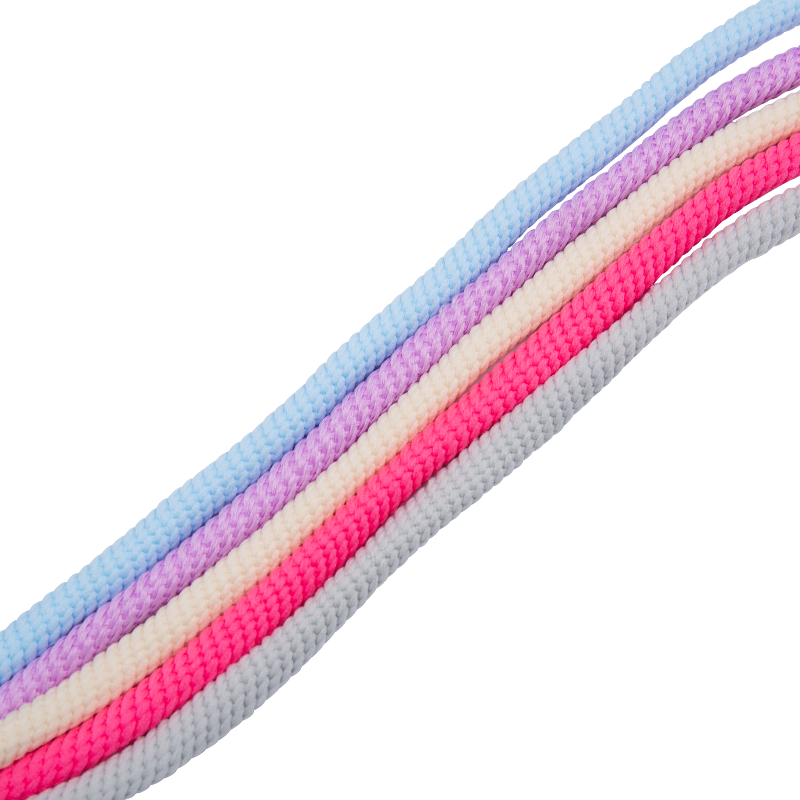

Over the years, we have been providing high-quality, safe and reliable products for the clothing and footwear industries.
- Quick Links
- Contact Information
-
-
 NO.137-1 Chenglu Road, Huashi Town, Jiangyin City214421, Jiangsu, China
 -
 +86 138-0616-9220
 -
 Lhbhzd@126.com
bh@jyribbon.com
sales2@jyribbon.com
-
- Mobile QR Code

