Content
1. The mechanical integrity of personalised shoe laces is fundamentally determined by the base polymer, typically high-tenacity polyester or GRS-certified recycled nylon. 2. In the context of how to choose the best material for custom shoelaces, engineers evaluate the denier count of the yarn, where a higher filaments-per-thread ratio increases the overall tensile strength and abrasion resistance. 3. The impact of shoelace thickness on durability is significant; high-density braids (e.g., 2800D) provide a higher friction coefficient, preventing involuntary loosening during high-velocity athletic movements. 4. Testing protocols include ASTM D6775 for breaking strength, ensuring that the integration of custom aesthetics does not compromise the functional safety of the lacing system.
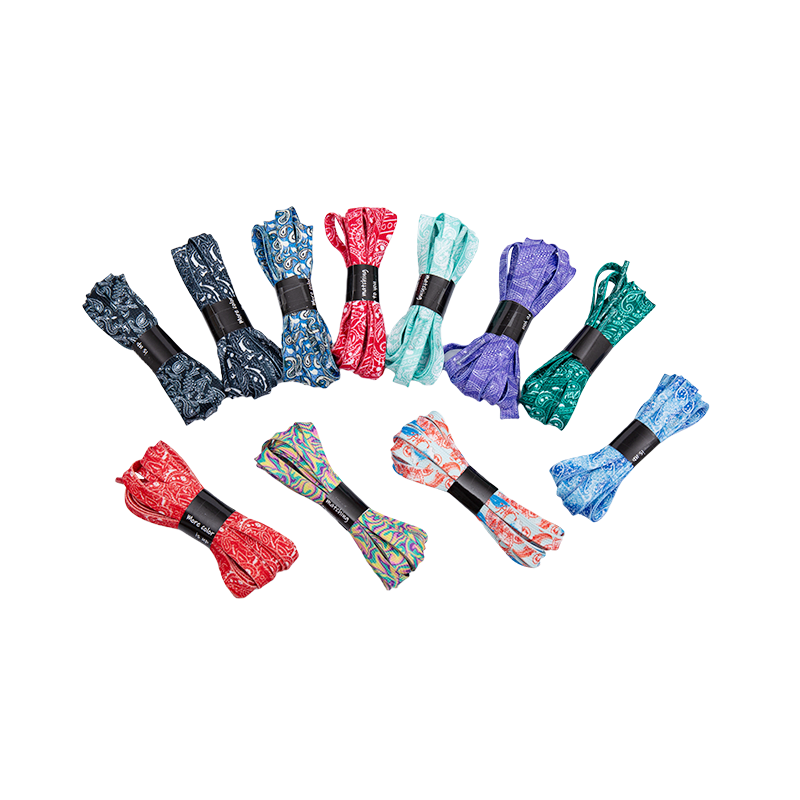
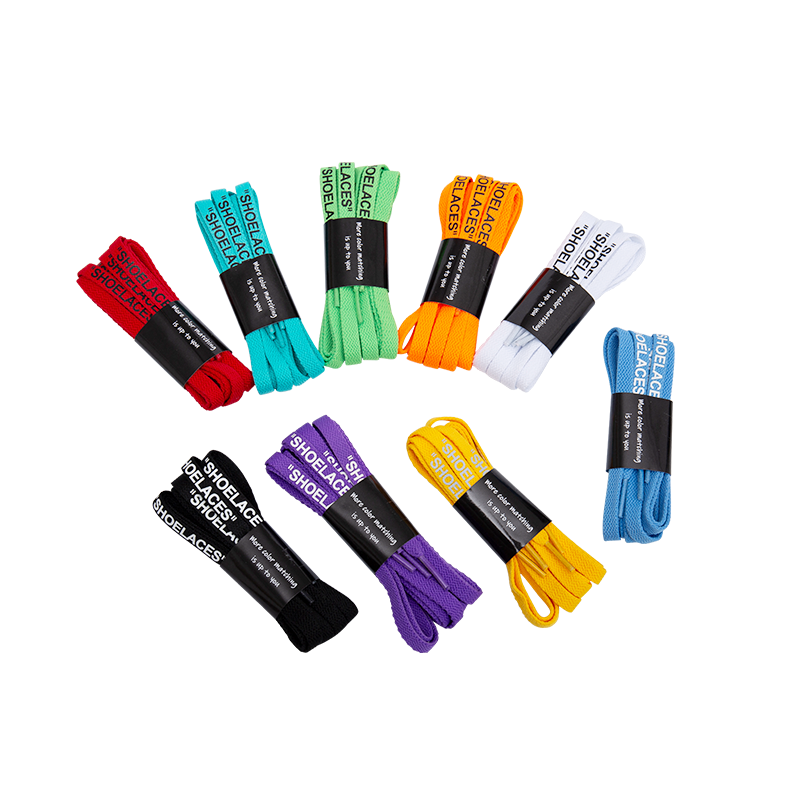
1. Analyzing the screen-printed vs woven shoe laces durability reveals distinct differences in surface topography and pigment adhesion. 2. Screen printing involves applying a thermoplastic ink or silicone layer onto the finished webbing, which can achieve high color vibrance but may succumb to factors affecting custom shoelace ink adhesion such as repeated mechanical stress or exposure to UV radiation. 3. Conversely, woven-in designs are created using a computerized jacquard loom, where the benefits of jacquard woven shoe laces include the integration of the graphic directly into the structural weave, making the design as permanent as the lace itself. 4. Engineering specifications for design integration:
| Technical Attribute | Screen-Printed Method | Woven-In (Jacquard) Method |
| Graphic Depth | Surface Level (0.1mm - 0.3mm) | Structural Integration (Full Thickness) |
| Color Limit | Virtually Unlimited (Pantone Match) | Limited by Loom Thread Capacity |
| Abrasion Resistance | Moderate (Subject to Peeling) | Maximum (No Surface Layer) |
| Tactile Ra Finish | Raised/Variable Texture | Consistent/Flush Finish |
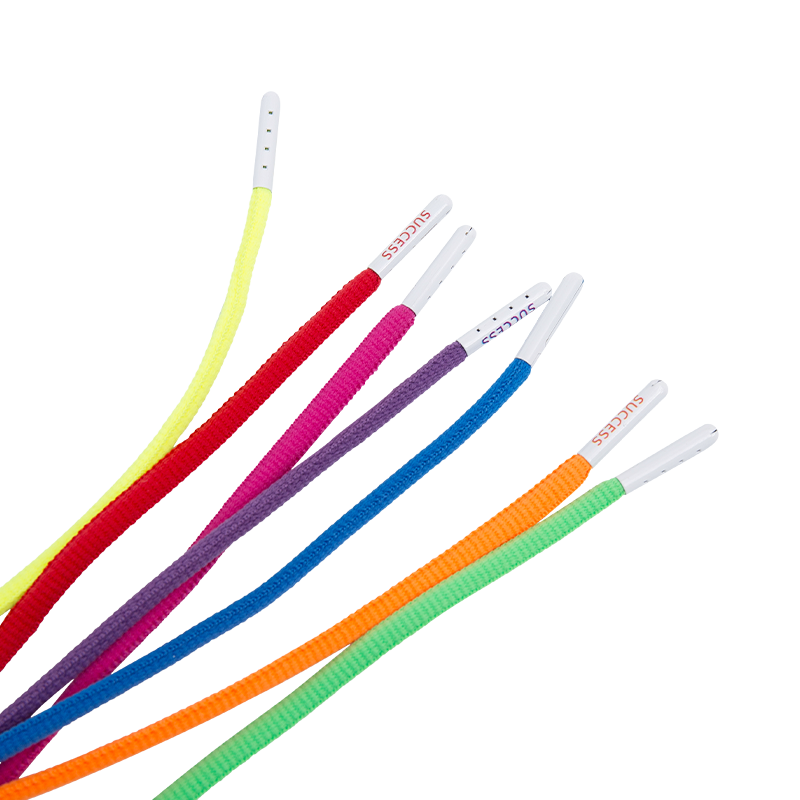
1. The termination point of high-end personalised shoe laces often features metallic aglets made of zinc alloy or stainless steel 316L. 2. For those researching how are custom metal aglets attached to shoelaces, the process involves high-pressure crimping or localized heat-shrink bonding to ensure the tip remains attached under a pull force exceeding 90 Newtons. 3. Laser etched aglets for branded shoelaces utilize a fiber laser to remove surface plating at a depth of 0.05mm, creating a permanent, high-contrast identifier that resists oxidation and chemical cleaners. 4. The surface finish of these tips is typically measured for smoothness to prevent snagging on eyelet edges, adhering to a Ra 0.8 surface finish standard.
1. To determine which custom shoelaces are best for sports, labs perform cyclic loading tests to measure the "creep" or elongation percentage of the weave over 10,000 tension intervals. 2. Waterproof treatments for personalised shoe laces involve a DWR (Durable Water Repellent) coating applied at the yarn level, ensuring the lace does not gain mass or lose elasticity when exposed to 100% humidity environments. 3. The chemical stability of the pigments used in personalised shoe laces is verified via ISO 105-B02 lightfastness testing, preventing fading during prolonged outdoor exposure.
1. Why do woven designs feel thicker than printed ones?
Woven designs require extra yarn strands to be carried through the braid to create the pattern, which naturally increases the density and diameter of the lace compared to a standard flat lace with surface ink.
2. What is the typical lifespan of a screen-printed lace in high-use scenarios?
In professional athletic environments, screen-printed graphics may begin to show micro-cracking after 50-70 hours of intense friction against eyelets, whereas woven designs remain intact for the life of the yarn.
3. Can personalised shoe laces be manufactured with reflective properties?
Yes, by incorporating 3M retro-reflective filaments into the weave, achieving a visibility rating compliant with EN ISO 20471.
4. Does customization affect the knot-holding capability?
Silicone-based screen printing can actually increase the friction coefficient at the knot, while excessive wax coatings on woven laces may reduce it.
5. What is the standard length tolerance for industrial shoelace production?
The industry standard allows for a +/- 10mm variance, which is critical when matching laces for precision-engineered footwear.
1. ISO 105-C06: Textiles -- Tests for color fastness -- Part C06: Color fastness to domestic and commercial laundering. 2. ASTM D6775: Standard Test Method for Breaking Strength and Elongation of Textile Webbing, Tape and Braided Material. 3. GRS (Global Recycled Standard) 4.0: Requirements for recycled content and chemical restrictions.