


 English
  русский
  Español
Industry News
Apr 16,2026
Is Long-Staple Cotton Essential for Premium Cotton Belt Webbing?
Content
Procurement managers face critical decisions when sourcing cotton belt webbing for industrial applications. The quality of raw cotton directly impacts tensile strength, durability, and cost-efficiency in bulk manufacturing. This article examines three technical indicators that determine whether long-staple cotton justifies its premium pricing in large-scale webbing production.
Understanding Fiber Length Specifications
Fiber length serves as the primary classification criterion for cotton quality in textile engineering. Long-staple cotton webbing suppliers typically source fibers exceeding 28mm in length, while standard upland cotton measures between 20 and 25mm. This dimensional difference fundamentally alters yarn construction possibilities and finished product performance.
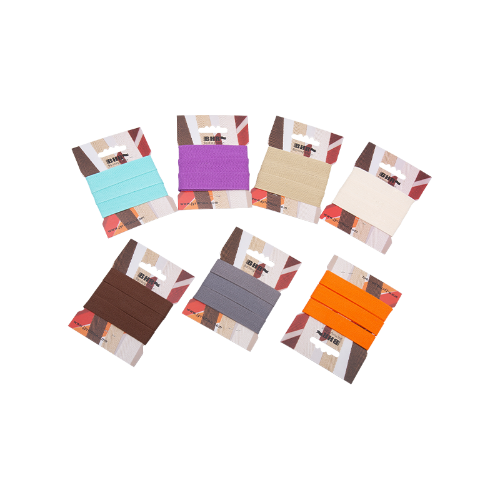
Engineers specify fiber length requirements based on end-use applications. Safety harness webbing demands maximum strength-to-weight ratios, making longer fibers advantageous. General-purpose cargo strapping may accept shorter fibers when cost constraints dominate performance requirements.
- Extra-long staple (ELS) cotton exceeds 34mm and originates primarily from Pima or Egyptian varieties.
- Long-staple cotton ranges 28-34mm, suitable for medium-to-heavy duty webbing applications.
- Medium-staple cotton at 22-28mm balances cost and performance for standard industrial belts
- Short-staple cotton below 22mm requires higher twist rates, reducing webbing flexibility.
Measuring Staple Length Accurately
Laboratory technicians employ standardized testing protocols to verify fiber length claims. The Digital Fibrograph system measures upper-half mean length (UHML), providing objective data for supplier qualification. High-quality cotton belt webbing manufacturers typically require UHML values above 29mm for critical safety applications.
Sample preparation significantly affects measurement accuracy. Technicians must condition cotton at 65% relative humidity and 20°C for 24 hours before testing. Improper conditioning produces misleading length data that compromises procurement decisions.
Evaluating Micronaire and Maturity Indices
Micronaire readings indicate fiber fineness and maturity combined, measured as micrograms per inch. This metric predicts processing efficiency and yarn quality in industrial cotton webbing manufacturing. Mature fibers with optimal micronaire values (3.5-4.9) demonstrate superior dye absorption and abrasion resistance.
Immature fibers create processing complications. They generate excessive neps during carding, weaken yarn structures, and produce uneven dye uptake. These defects compromise the structural integrity of load-bearing webbing products.
| Micronaire Range | Fiber Classification | Processing Characteristics | Webbing Suitability |
| Below 3.0 | Very fine/immature | High nep formation, processing difficulties | Unsuitable for heavy-duty applications |
| 3.0-3.4 | Fine | Acceptable for ring spinning, moderate strength | Light-duty straps and decorative webbing |
| 3.5-4.9 | Optimal maturity | Excellent processing, maximum yarn strength | Premium safety and load-bearing webbing |
| 5.0 and above | Coarse | Reduced spinning efficiency, harsh hand feel | Rough industrial applications only |
Correlating Maturity with Tensile Performance
Mature cotton fibers contain fully developed cell walls with higher cellulose crystallinity. This structural characteristic directly correlates with tensile strength in finished cotton belt webbing. Engineers observe that webbing constructed from mature fibers exhibits 15-20% higher breaking strength compared to immature fiber equivalents.
The maturity coefficient, determined via caustic soda swelling tests or polarized light microscopy, provides quantitative verification. Coefficients above 0.85 indicate satisfactory maturity for industrial webbing applications. Lower values signal potential performance compromises despite acceptable staple length measurements.
Assessing Trash Content and Fiber Cleanliness
Non-lint content—including seed coat fragments, leaf particles, and extraneous matter—determines processing economics and final product quality. Bulk cotton webbing procurement contracts must specify maximum trash percentages to prevent loom damage and yarn breakage.
Modern ginning technology significantly impacts cleanliness levels. Roller-ginned cotton typically contains less than 4% trash, while saw-ginned varieties may exceed 6%. This distinction affects yarn manufacturing efficiency and finished webbing appearance, particularly for natural-color or lightly dyed products.
- Grade 1 cotton contains under 3% trash, commanding premium pricing for visible webbing application.s
- Grade 2 cotton at 3-4% trash suits most industrial belt manufacturing with minimal processing adjustments
- Grade 3 cotton exceeding 4% trash requires additional cleaning stages, increasing production costs
- High trash content accelerates loom wear and increases maintenance downtime.i me
Economic Analysis of Cleanliness Standards
Procurement teams must balance initial fiber costs against processing economics. Higher-grade cotton reduces waste generation and loom maintenance expenses. Processing facilities report 8-12% efficiency improvements when utilizing Grade 1 versus Grade 3 cotton inputs.
The Hidden Cost Factor includes increased labor for manual cleaning, higher rejection rates in quality control, and reduced loom speeds to manage breakage risks. These operational impacts often offset apparent savings from lower-grade fiber purchases.
| Quality Grade | Trash Content | Relative Fiber Cost | Processing Efficiency | Total Cost Impact |
| Grade 1 | Under 3% | 100% (baseline) | Optimal | Baseline manufacturing cost |
| Grade 2 | 3-4% | 85-90% | Good | 5-8% cost reduction, minimal trade-offs |
| Grade 3 | 4-6% | 75-80% | Reduced | Net cost increase due to inefficiencies |
| Grade 4 | Over 6% | 65-70% | Poor | Significant cost penalties, quality risks |
Integration of Quality Indicators in Procurement Protocols
Effective cotton belt webbing sourcing requires systematic evaluation,tion integrating all three indicators. Single-parameter assessment risks suboptimal decisions. Long-staple cotton with poor micronaire values may process poorly despite fiber length advantages. Exceptionally clean cotton with inadequate staple length cannot achieve the required tensile specifications.
Technical specifications should establish minimum thresholds for each parameter while allowing trade-off flexibility within defined boundaries. This approach enables cost optimization without compromising critical performance requirements.
- Specify UHML minimums based on webbing tensile requirements
- Establish micronaire ranges that balance processing efficiency with hand-feel requirements
- Set trash content limits considering visible quality needs and processing equipment capabilities
- Require third-party laboratory certification for all bulk shipments
FAQ
What is the minimum fiber length required for heavy-duty cotton belt webbing?
Engineers recommend 28mm as the practical minimum for load-bearing applications. This threshold ensures adequate yarn strength without excessive twist requirements. Critical safety applications, such as climbing harnesses or industrial slings, typically specify 30mm minimum UHML values.
How does cotton micronaire affect dye uniformity in webbing products?
Micronaire directly influences dye absorption rates. Immature fibers (low micronaire) absorb dyes rapidly but unevenly, creating a blotchy appearance. Mature fibers within the 3.5-4.9 range demonstrate controlled, uniform dye uptake essential for consistent color matching in natural cotton webbing products.
Can recycled cotton meet quality standards for industrial belt webbing?
Mechanically recycled cotton generally fails staple length requirements for structural webbing. Fiber shortening during recycling processes reduces the average length to below 15mm. Chemical recycling technologies show promise for preserving length characteristics, but current commercial availability remains limited for sustainable cotton webbing options in heavy-duty applications.
References
- ASTM D1448-17. Standard Test Method for Micronaire Reading of Cotton. ASTM International, 2017.
- International Textile Center. Cotton Fiber Quality Measurements: Interrelationships and Guidelines. Texas Tech University Technical Bulletin, 2020.
- USDA Agricultural Marketing Service. Cotton Classification Procedures and Standards. USDA-AMS Handbook, 2023.
- Textile Institute. Textile Terms and Definitions, 12th Edition. Woodhead Publishing, 2022.
- Fiber and Biopolymer Research Institute. Impact of Fiber Maturity on Yarn Properties. Journal of Cotton Science, Vol. 24, 2021.
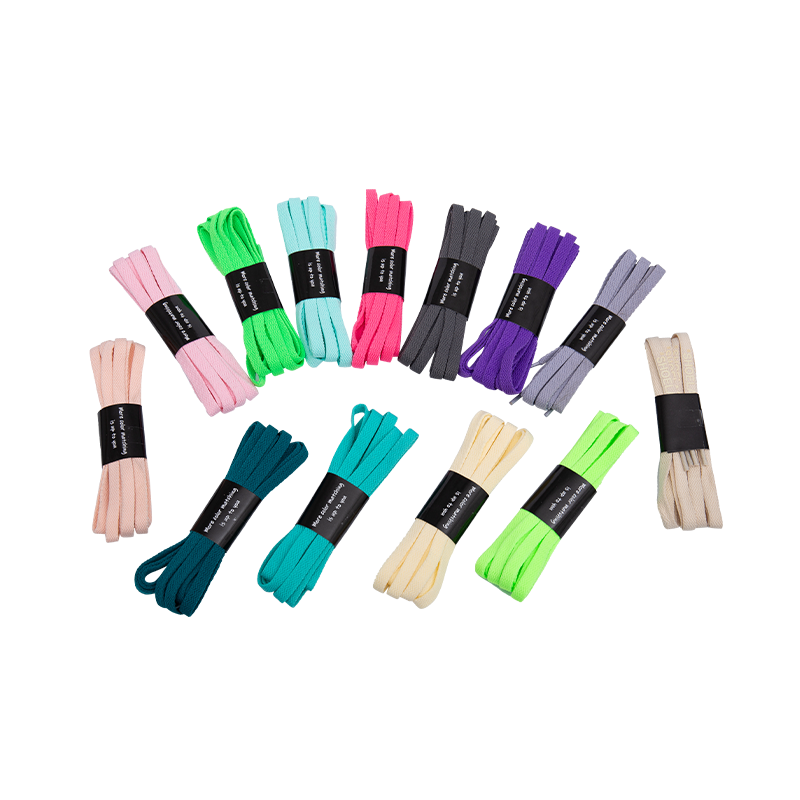
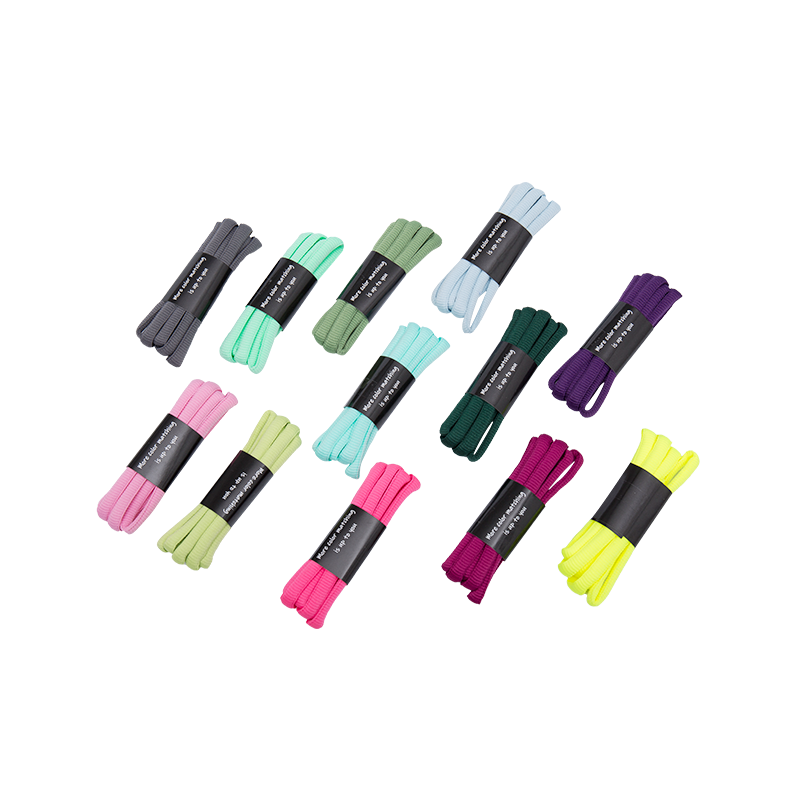
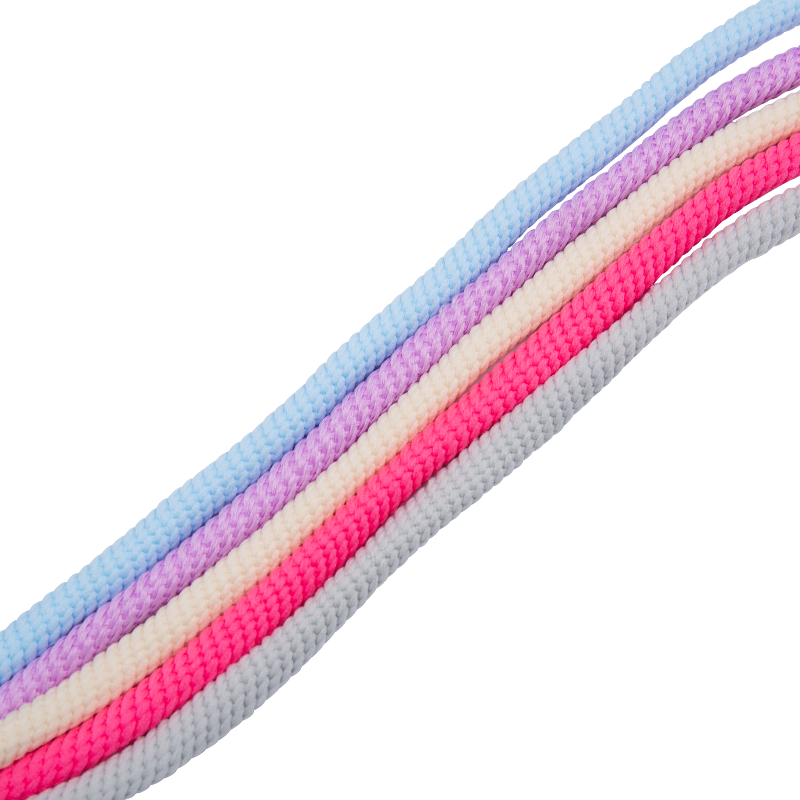

Over the years, we have been providing high-quality, safe and reliable products for the clothing and footwear industries.
- Quick Links
- Contact Information
-
-
 NO.137-1 Chenglu Road, Huashi Town, Jiangyin City214421, Jiangsu, China
 -
 +86 138-0616-9220
 -
 Lhbhzd@126.com
bh@jyribbon.com
sales2@jyribbon.com
-
- Mobile QR Code

