


 English
  русский
  Español
Home / News / Industry News / Woven Elastic vs Knitted Elastic: Production Line Selection Guide | Baihong

Industry News
Sep 28,2026
Woven Elastic vs Knitted Elastic: Production Line Selection Guide | Baihong
Content
On a production floor running seasonal drops, the elastic webbing you approve today determines whether your waistbands hold shape after fifty wash cycles or develop wave-like distortion within weeks. Woven and knitted elastic webbing both stretch, but they behave differently under real conditions. Woven elastic provides high tension stability and low creep; knitted elastic offers softness, breathability and a more forgiving touch. This is not a matter of taste - it is a production decision that affects cutting, sewing, quality control and callback rates.
Construction Differences Explain the Performance Gap
The mechanical difference between woven and knitted elastic webbing comes from how the yarns are arranged. Woven structures interlace warp and weft perpendicularly; knitted structures form interlocking loops. That single structural difference creates the entire performance split.
Woven elastic webbing is built on a loom. Covered rubber or spandex threads run lengthwise as the warp, while cotton, polyester or nylon yarns are woven across them as the weft. This creates a stable, flat tape. The interlacement locks the elastic threads in place, so when the band stretches, the warp filaments are restrained. The result is consistent tension, minimal width variation and a low stretch ratio that preserves garment structure.
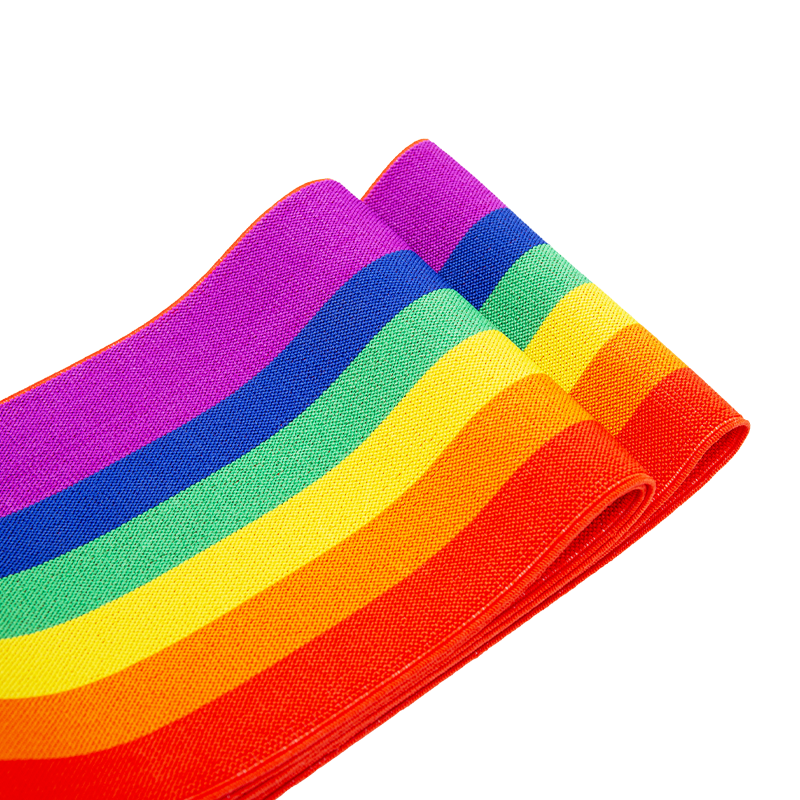 Ultra-Wide Elastic Webbing for Medical and Sports ApplicationsThis extra-wide elastic webbing spans 5cm to 25cm, combining breathable, moisture-absorbing construction with strong stretch and recovery. Its wide format distributes pressure evenly, making it suitable for bandages, fixation belts, and sports equipment requiring reliable support and comfort.View Product →
Knitted elastic webbing is produced on circular or flat knitting machines. Yarns are formed into loops that interlock with each other. The elastic thread is fed into the structure and surrounded by loops rather than trapped by crossing threads. Because loops can slide, knitted elastic takes much less force to extend, stretches farther and feels lighter against the skin. The trade-off is that loops do not recover as firmly or as quickly as interlaced threads.
- Woven structure: 2.5-3x stretch, high tension retention, sharp recovery, flat profile.
- Knitted structure: 3-4x stretch, low initial resistance, high softness, moderate recovery.
- Woven edge: stable and resistant to curling during cut-and-sew.
- Knitted edge: softer and more pliable, but can roll under longitudinal stress.
This structural difference also drives needle selection and seam appearance. Woven elastic takes a heavier needle and resists puckering when topstitched, which is why it appears in structured garments. Knitted elastic is forgiving under the needle but produces a softer seam line that some designers prefer on lightweight fabric.
Performance Parameters You Can Measure
When you evaluate elastic webbing for a production line, you can reduce the choice to four measurable parameters: stretch ratio, tension retention, width creep and surface softness. Woven and knitted constructions rank differently on each.
2.5-3x Woven stretch range
85-95% Woven tension retention
3-4x Knitted stretch range
65-80% Knitted tension retention
Stretch ratio and tension retention compared
The chart shows the practical consequence. Woven elastic gives you the controlled stretch that keeps a waistband true to size; knitted elastic gives you the elongation that makes a cuff feel generous against the skin. The difference is felt in production as much as in the end user experience.
On the production line, these parameters translate into concrete outcomes. Width creep in knitted elastic increases the risk of seam pucker and slow feeding on an overlocker. Tension retention in woven elastic reduces the need for additional reinforcement, which lowers the total material cost per garment.
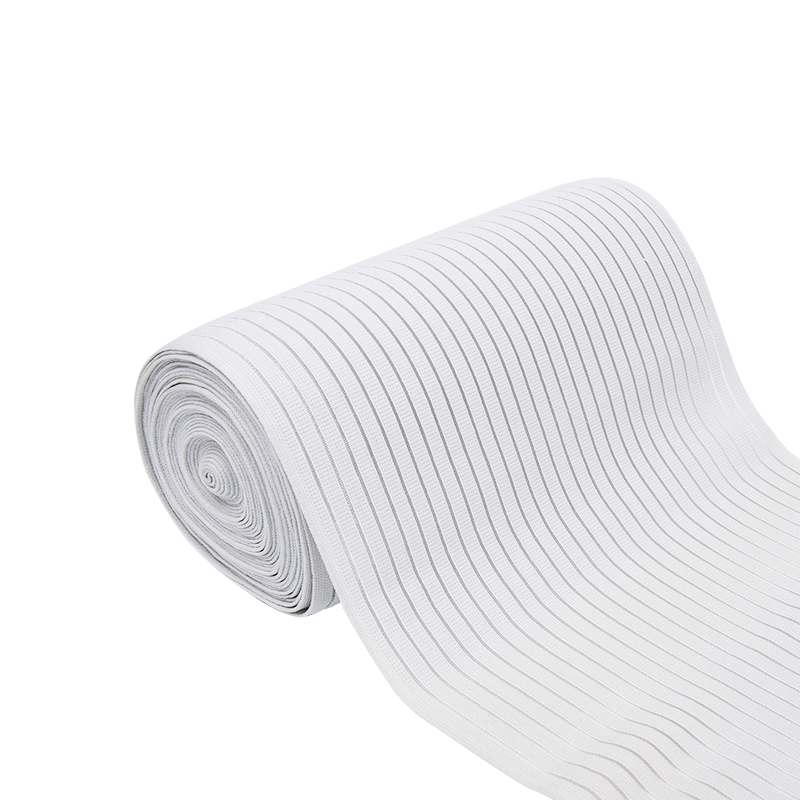 Breathable Elastic Band with Moisture Management for ComfortDesigned with an open-knit structure, this band allows air circulation and sweat evaporation while providing elastic stretch and recovery. Available in 5cm to 25cm widths, it suits medical and sports gear where skin contact and moisture control are key.View Product →
| Parameter | Woven Elastic | Knitted Elastic |
| Stretch at break | 2.5-3x | 3-4x |
| Tension retention (10 min load) | 85-95% | 65-80% |
| Width creep at 50% load | 1-2% | 5-8% |
| Softness rating | Moderate | High |
| Breathability | Lower | Higher |
| Edge stability | Excellent | Moderate |
| Drape in finished garment | Stiff, structured | Soft, flowing |
Decision Rules for Specific Production Scenarios
The selection rule is simple: if the elastic must hold structural load, choose woven. If the elastic must feel comfortable against skin, choose knitted. For every other scenario, the decision depends on the seam type, garment weight and operational tolerance for deformation.
In practice, the two constructions are asked to do very different jobs. Woven elastic is measured by how long it holds its width under load. Knitted elastic is measured by how easily it yields to the body. The grids below map those priorities to typical garment categories.
Choose woven elastic when:
- Waistbands of trousers, workwear or denim that must keep their shape over repeated wears.
- Lingerie or sports bands where tension stability cannot decay with use.
- Products with narrow cutting tolerance, because woven resists width creep.
- Straps that carry load, such as backpack straps or shoe closures.
Choose knitted elastic when:
- Underwear, sleepwear or children's clothing that prioritizes touch comfort.
- Specialist apparel where breathability and low pressure marks are required.
- Design-driven garments that need a soft drape rather than a rigid line.
- Applications requiring a small band width with high compliance.
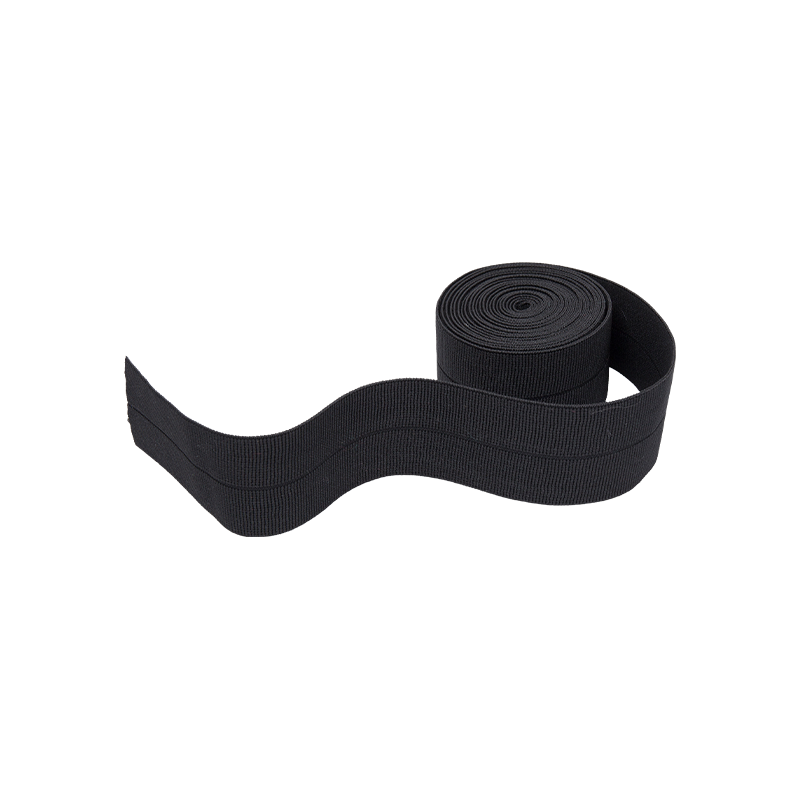 Elastic Webbing for Footwear with Versatile Finishes and WidthsThis polyester webbing offers widths from 1cm to 20cm with options for glossy, suede, color stripes, or solid finishes, and can be starched or unstarched. It provides durable stretch and recovery for shoe uppers, straps, and fastenings, supporting comfortable fit and long-term wear.View Product →
Production Reality: Supply, Certification and Price Stability
When you move from design to procurement, the technical choice is only half the decision. The supplier's construction consistency, certification level, capacity for custom widths and delivery discipline decide whether the chosen elastic works in production at all.
Jiangyin City Baihong Weaving Band Co., Ltd has manufactured webbing since 2002. The company operates with Oeko-Tex Standard 100 certification and runs its own weaving, jacquard and finishing equipment, allowing developers to source woven elastic and knitted elastic from a single partner who can match custom colors and patterns.
Certification matters in the garment supply chain. Oeko-Tex Standard 100 certification means the webbing, including the elastic threads and any dyestuff used in finishing, is tested against a list of harmful substances. For brands selling into the European Union, Japan or the United States, sourcing a certified run of elastic removes an entire category of compliance risk before production starts.
Unit cost depends more on yarn blend and custom finishing than on the construction itself. Woven elastic often has a lower unit cost at wide widths; knitted elastic can be cheaper at very narrow widths because it uses less yarn per meter. Ask your supplier for width-specific pricing rather than a single per-kilo rate, and request a 10-meter pre-production sample to verify both feel and recovery before committing to a container.
For a deeper look at how woven elastic behaves under repeated stretching on the line, read our practical guide on woven elastic webbing and elasticity needs.
A stable supplier also matters for repeatability. If your production line runs the same elastic for six months, you need every batch to feel the same, feed the same and recover the same. That is why webbing factories like Baihong invest in pre-shrinking machines and narrow weaving looms - they control the variables that change the physical properties of the band.
Frequently Asked Questions
Can I substitute knitted elastic for woven elastic on the same production line?
Only if the seam allows more stretch and lower recovery. Knitted elastic usually requires different needle gauge, top feed pressure and easing settings. Running both through the same folder risks inconsistent assembly and increased rejected pieces.
Which elastic type has better cost in high-volume production?
Woven elastic often has lower unit cost at wide widths, while knitted elastic can be cheaper at very narrow widths because it uses less yarn weight. Bulk pricing depends more on yarn blend and custom finishing than on the construction itself.
Does Baihong offer custom patterns on woven elastic webbing?
Yes. Baihong's jacquard looms can develop custom patterns on elastic webbing in a range of widths and colors. The company offers a jacquard elastic webbing lineup and supports development from customer artwork, including repeating logos and geometric motifs.
How do I test tension stability from a supplier sample?
Run a 10-minute constant load test at 50% elongation. Measure immediate recovery five minutes after release and look for width creep below 2% for woven elastic. Repeat the test on a knitted sample - the difference between the two will guide your decision.
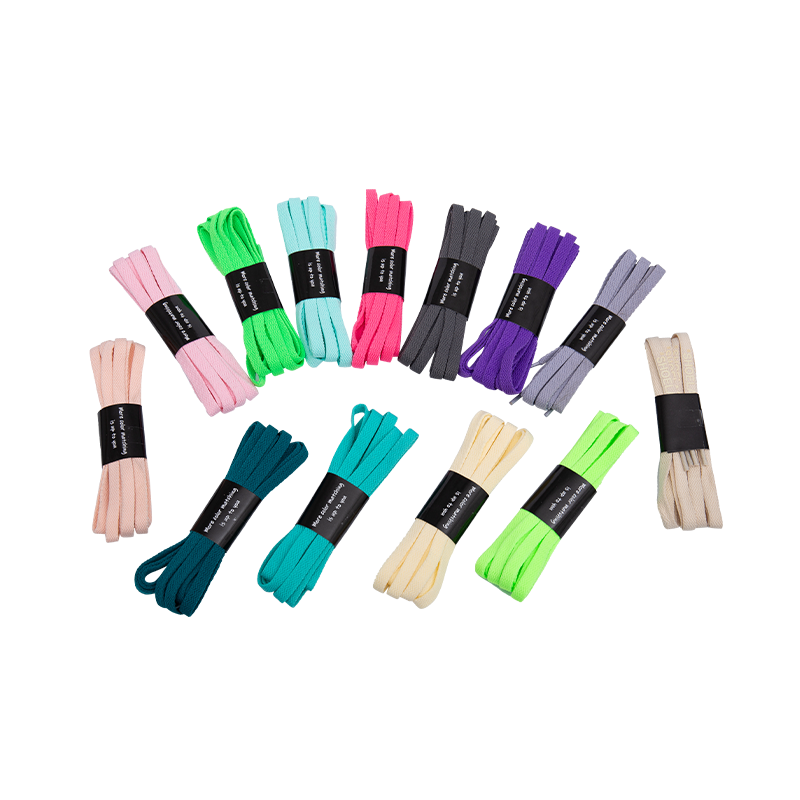

Over the years, we have been providing high-quality, safe and reliable products for the clothing and footwear industries.
- Quick Links
- Contact Information
-
-
 NO.137-1 Chenglu Road, Huashi Town, Jiangyin City214421, Jiangsu, China
 -
 +86 138-0616-9220
 -
 Lhbhzd@126.com
bh@jyribbon.com
sales2@jyribbon.com
-
- Mobile QR Code

