


 English
  русский
  Español
Home / News / Industry News / Polyester vs Nylon vs Cotton Webbing: Choosing for Strength, UV & Comfort

Industry News
Sep 08,2026
Polyester vs Nylon vs Cotton Webbing: Choosing for Strength, UV & Comfort
Content
- 1 What Sets Polyester vs Nylon vs Cotton Webbing Apart
- 2 Breaking Strength: Nylon Is Strongest Dry, Polyester Wins When Wet
- 3 UV Resistance: Polyester Outlasts Nylon By a Wide Margin
- 4 Comfort and Hand Feel: Cotton Leads for Skin-Contact Products
- 5 Application Matching: A Procurement Guide for Webbing Buyers
- 6 How to Verify a Webbing Supplier Before You Place an Order
- 7 FAQ: Polyester vs Nylon vs Cotton Webbing
Every time a procurement team asks Baihong Weaving about a custom webbing order, the same question comes up: how do you choose between polyester vs nylon vs cotton webbing? The answer depends on three measurable factors: breaking strength, UV resistance, and hand feel. Getting it wrong can mean returns, warranty claims, and a production batch that cannot be reused. This guide explains exactly when each webbing material is the right choice, how to spot the tradeoffs before you place an order, and what to verify with a supplier to avoid costly surprises.
What Sets Polyester vs Nylon vs Cotton Webbing Apart
Polyester, nylon, and cotton webbing differ at the fiber level, and those differences shape everything from wet strength to color retention. Polyester is a synthetic fiber with low moisture absorption and good dimensional stability. Nylon is a polyamide with high elasticity and excellent abrasion resistance, but it absorbs water and breaks down under ultraviolet light. Cotton is a natural cellulose fiber that feels soft, breathes well, and is the most affordable of the three.
These starting points matter because the buying decision is rarely about which fiber is best overall. It is about which fiber is best for this product, this exposure profile, and this budget. A webbing material that works perfectly for a garment waistband can fail within one season on a backpack strap.
| Material | Fiber Type | Dry Breaking Strength | UV Stability | Hand Feel |
| Polyester | Synthetic | 40-55 lbs/in | Excellent | Firm, slightly smooth |
| Nylon | Polyamide | 45-60 lbs/in | Poor to fair | Soft, smooth |
| Cotton | Natural | 25-35 lbs/in | Fair | Softest, breathable |
Breaking Strength: Nylon Is Strongest Dry, Polyester Wins When Wet
Nylon is the strongest webbing material when dry, but polyester wins in real-world conditions where moisture is present. In standard 1-inch webbing, nylon delivers roughly 45-60 lbs/in of breaking strength, while polyester sits at 40-55 lbs/in. Cotton is the weakest at 25-35 lbs/in.
The critical difference appears when the webbing gets wet. Nylon absorbs up to 10% moisture and loses 15-20% of its strength. Polyester loses less than 5%. For bags, straps, or equipment exposed to rain, sweat, or humid storage, polyester webbing is the more dependable material.
Polyester retains about 95% of its dry breaking strength when wet. Nylon retains only about 80%.
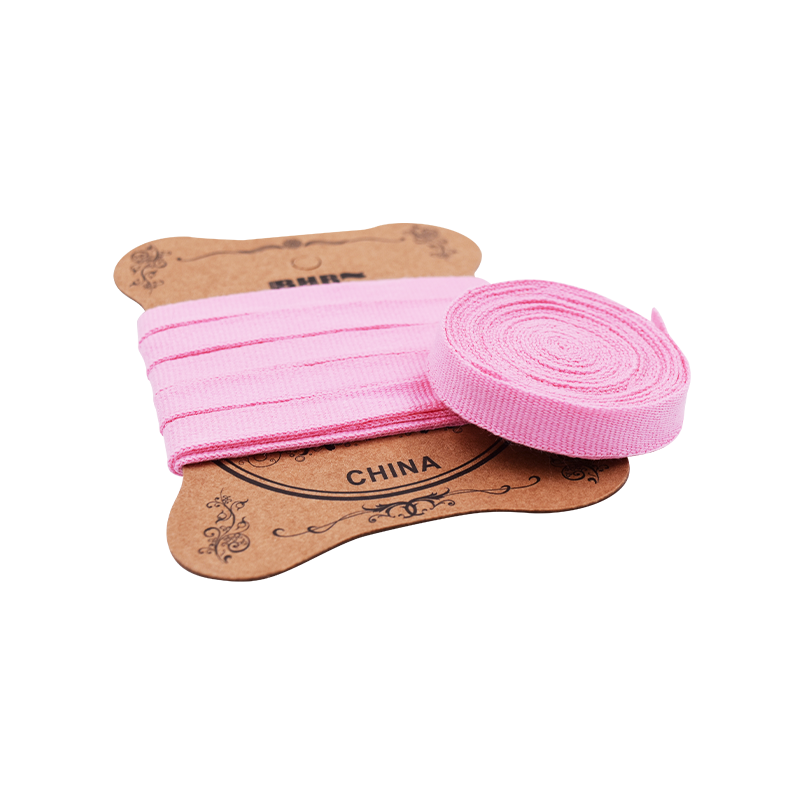 Flat Polyester Webbing for UV-Resistant Outdoor UseThis plain/flat polyester webbing offers superior UV resistance and retains strength when wet, making it a durable choice for outdoor gear and industrial applications where exposure to sunlight is common.View Product →
UV Resistance: Polyester Outlasts Nylon By a Wide Margin
Polyester is the clear winner for UV resistance. Nylon degrades visibly within months of direct sun exposure. Nylon's polymer chains are vulnerable to ultraviolet radiation, which breaks the chains and makes the webbing brittle. Accelerated weathering tests show nylon can lose 30-50% of its strength after 1,000 hours of UV exposure, while polyester loses around 8-10%. Cotton falls in between at roughly 40% loss, but cotton also degrades from moisture and mildew in outdoor environments.
UV Resistance Index: Percent Strength Retained After 1,000 Hours
For outdoor gear, backpack straps, and boat covers, polyester webbing is the safest specification because it resists color fading and strength loss under continuous sunlight.
Choosing nylon webbing without UV stabilizers is the most common material selection mistake in outdoor product lines.
Comfort and Hand Feel: Cotton Leads for Skin-Contact Products
Cotton webbing is the most comfortable against the skin, making it the first choice for waistbands, shoulder straps, and other skin-contact products. Nylon follows closely with a smooth, cool hand feel. Polyester is the firmer and slightly rougher option, although modern finishing techniques soften it considerably.
Comfort is not just about softness. It also involves breathability, moisture management, and abrasion against the skin. Cotton absorbs sweat and releases it slowly. Nylon and polyester wick moisture away but can feel clammy in humid conditions. For products that sit directly against the user, cotton webbing or a cotton blend is usually the right specification.
In the apparel industry, this is why cotton webbing is the default for waistbands, decorative trims, and children's products, while polyester webbing is reserved for bags and accessories where durability dominates.
Cotton Webbing
- Soft and natural against skin
- Breathable and moisture absorbing
- Ideal for garments and waistbands
Nylon Webbing
- Smooth and cool to the touch
- Less breathable, wicks moisture
- Best for straps and pet products
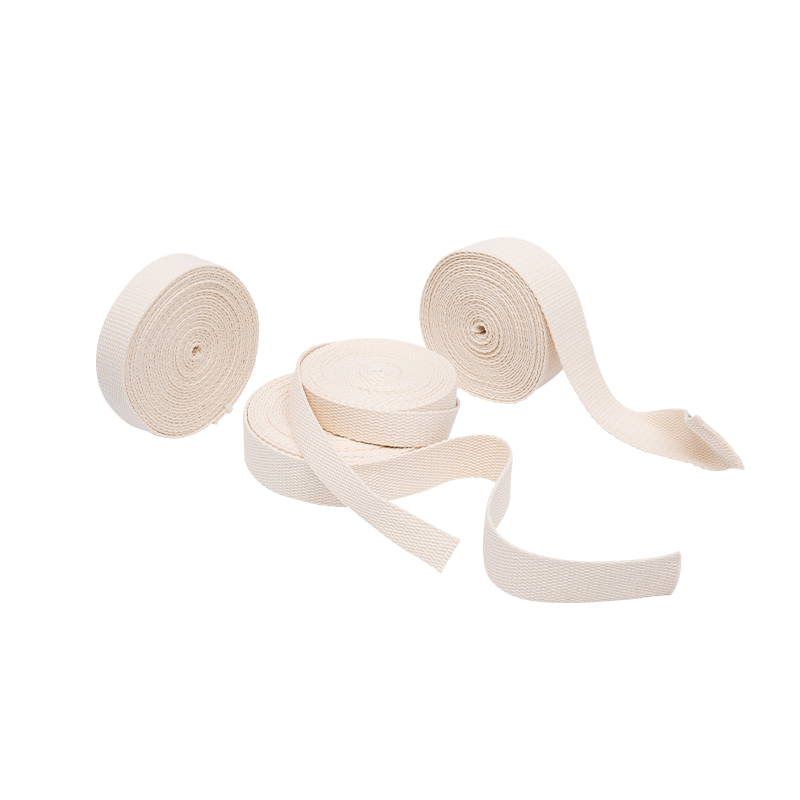 Versatile Cotton Webbing for Apparel and Lightweight UsesThis plain/flat cotton webbing provides a soft, comfortable texture with varied weave options, suitable for apparel, bags, and decorative trims where a balance of strength and flexibility is desired.View Product →
For a deeper look at natural cotton's performance, read our pure cotton webbing characteristics article.
Application Matching: A Procurement Guide for Webbing Buyers
Application environment should drive the webbing material decision, not price alone. A pet leash exposed to rain needs polyester. A garment waistband needs cotton. A bag strap that carries heavy loads on a wet trail needs polyester, while a load-bearing strap in a dry warehouse can use nylon.
Total cost of ownership also plays a role. A slightly higher per-meter cost for polyester webbing is usually cheaper than the cost of replacing a failed product under warranty.
| Application | Recommended Webbing | Primary Reason |
| Outdoor backpacks and camping gear | Polyester | Best UV stability, strong wet strength |
| Pet collars and leashes | Nylon or polyester | High flexibility or weather resistance |
| Garment waistbands and apparel | Cotton | Softness and breathability |
| Sports shoes and laces | Polyester | Dimensional stability, color retention |
| Heavy load straps in dry storage | Nylon | Highest dry breaking strength |
1
Assess environmental exposure: sun, moisture, and temperature range.
2
Check load and cycle requirements: static load, dynamic load, and repeated flexing.
3
Determine skin contact needs: close contact versus buried inside a product.
4
Verify supplier capabilities: loom width, finishing, testing, and certifications.
How to Verify a Webbing Supplier Before You Place an Order
The fiber type is only half the story. A reliable webbing supplier verifies material, production, and certification before a single meter is shipped. Jiangyin City Baihong Weaving Band Co., Ltd. was founded in 2002 and has grown into an Oeko-Tex Standard 100 certified webbing manufacturer serving apparel and footwear brands in Europe, America, and Japan.
The company production floor in Jiangyin, close to the Shanghai and Ningbo ports, includes narrow-width looms, jacquard looms, pre-shrinking equipment, and a testing laboratory. This means the webbing does more than look right: it is engineered to keep its width, color, and tension specification after the finished product goes into service.
When you request a sample from a webbing supplier, ask for the material composition certificate, the batch test data for strength and shrinkage, and the Oeko-Tex standard number. These three documents cover the most important risks in webbing procurement.
FAQ: Polyester vs Nylon vs Cotton Webbing
Is polyester or nylon webbing stronger?
Nylon has a higher dry breaking strength. In wet conditions, polyester loses much less strength, making it the more dependable choice for outdoor or water-exposed products.
How long does nylon webbing last in direct sunlight?
Nylon webbing exposed to continuous UV can lose 30-50% of its strength within 12 to 24 months of outdoor use. Polyester typically retains 90% or more over the same period.
Can cotton webbing be used outdoors?
Cotton webbing can be used outdoors when treated with UV stabilizers and moisture-repellent finishes. It remains less durable than polyester for exposed environments and is best reserved for garments and low-stress applications.
Which webbing is the most cost-effective for high-volume production?
Cotton is usually the most affordable per meter when comfort is essential. Polyester is typically the better value when strength, UV stability, and batch consistency are included in the calculation.
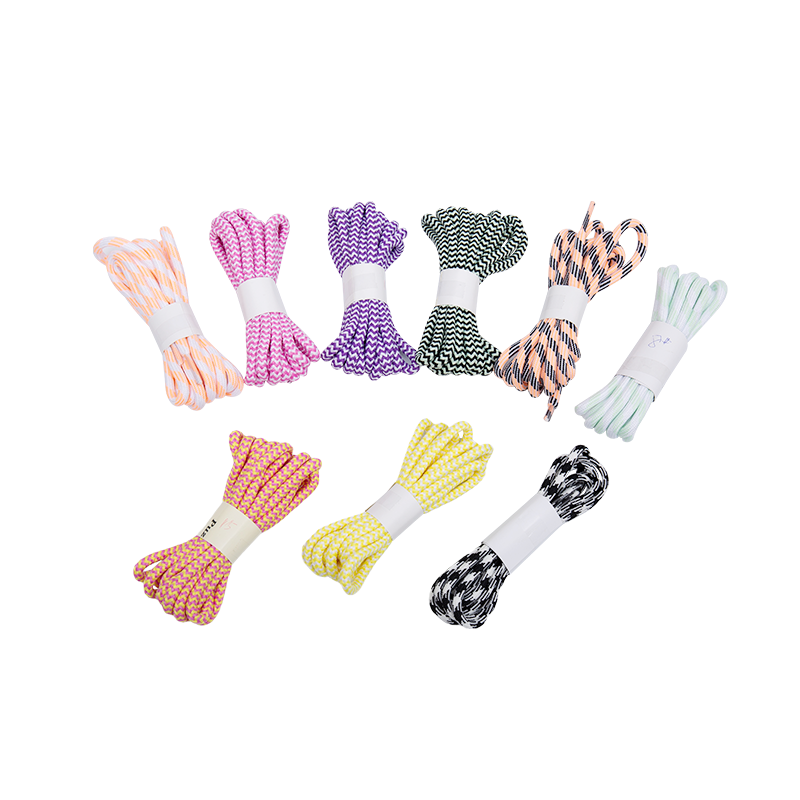
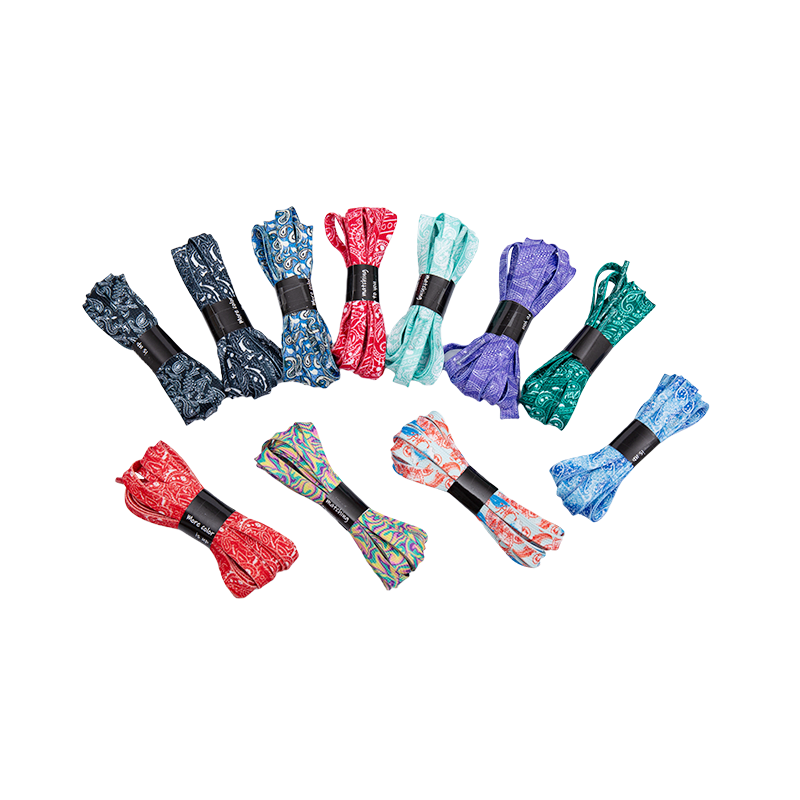
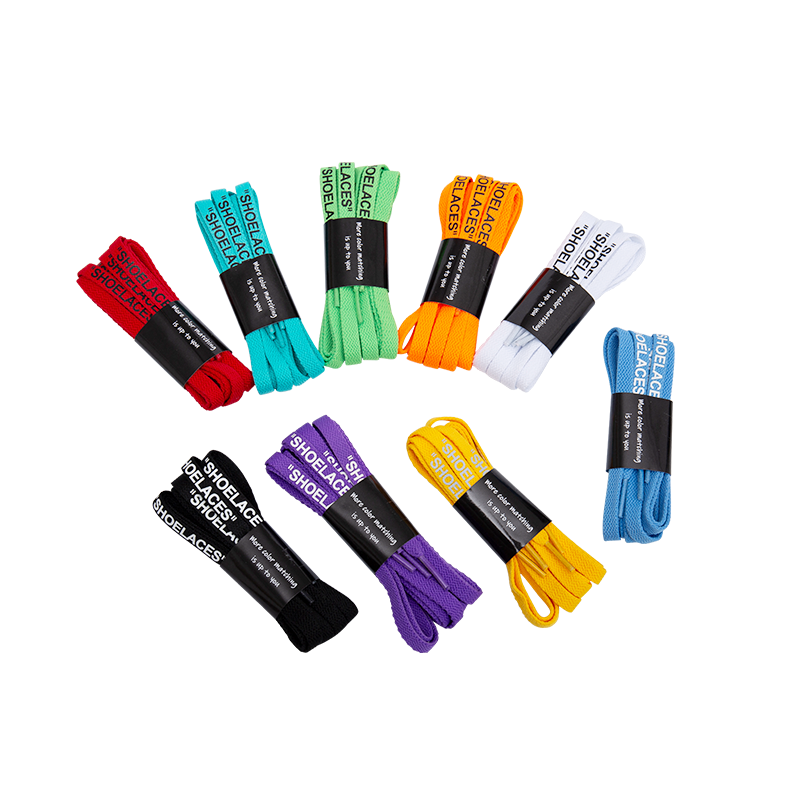
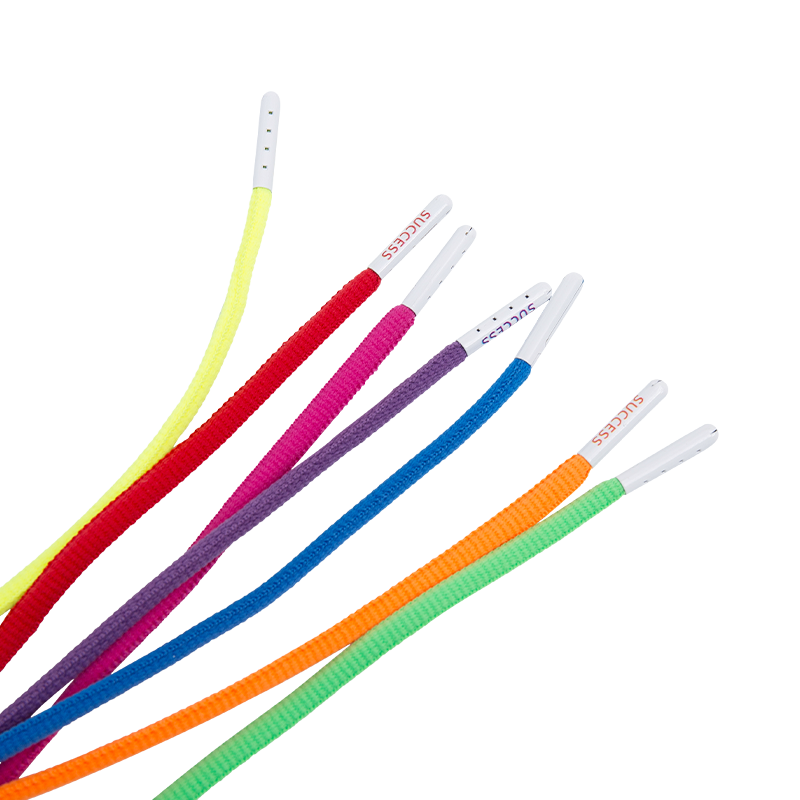
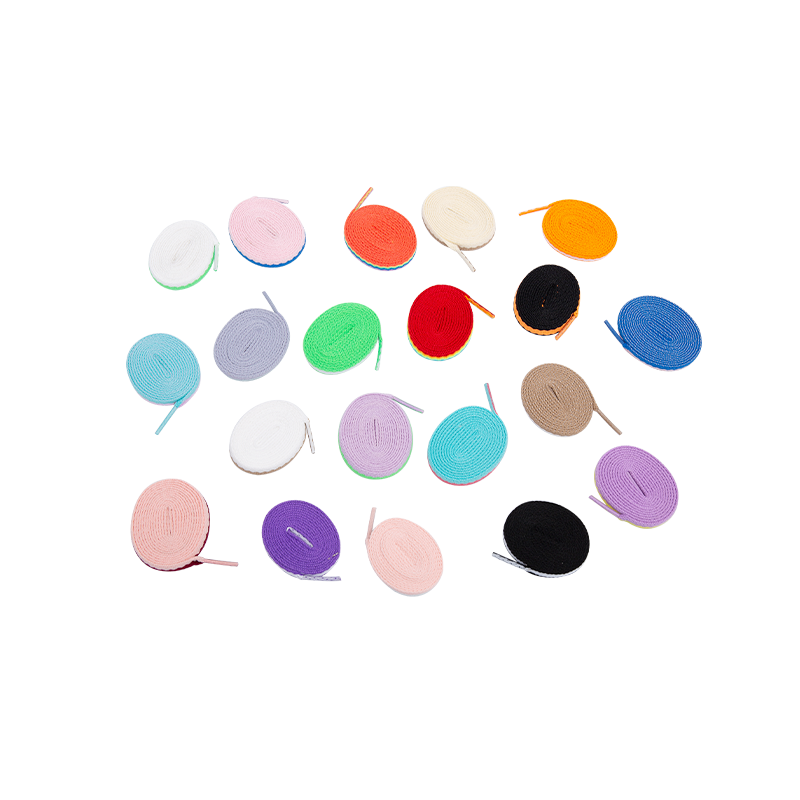

Over the years, we have been providing high-quality, safe and reliable products for the clothing and footwear industries.
- Quick Links
- Contact Information
-
-
 NO.137-1 Chenglu Road, Huashi Town, Jiangyin City214421, Jiangsu, China
 -
 +86 138-0616-9220
 -
 Lhbhzd@126.com
bh@jyribbon.com
sales2@jyribbon.com
-
- Mobile QR Code

