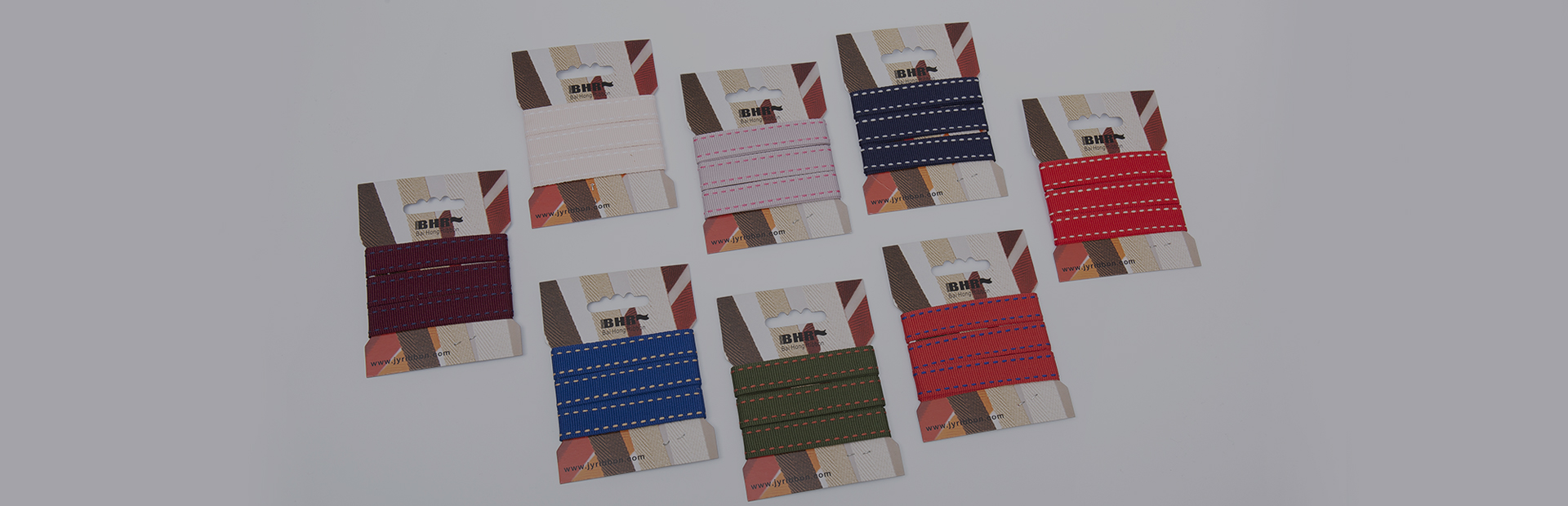
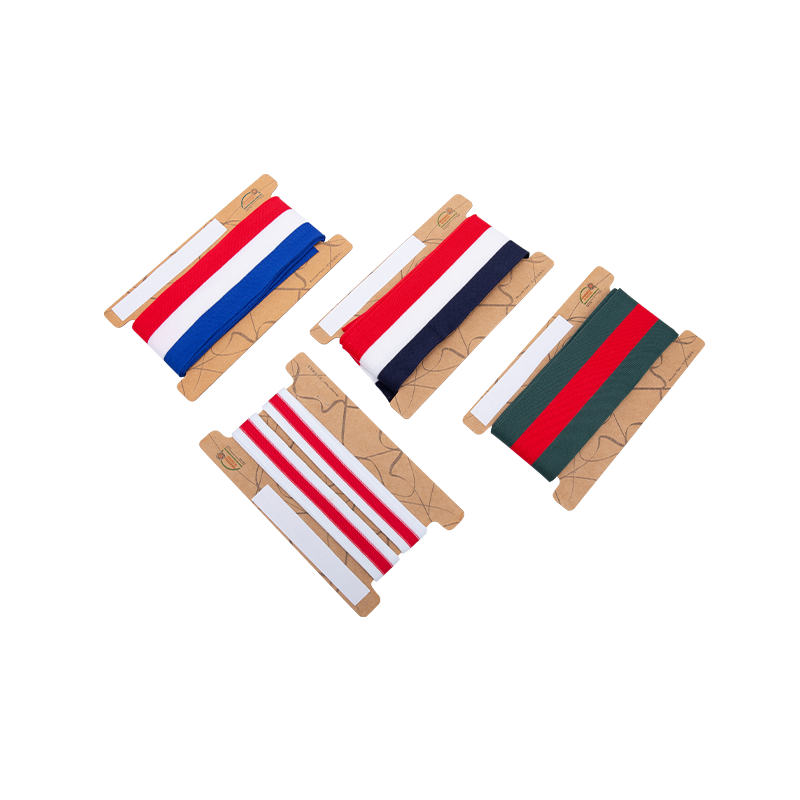
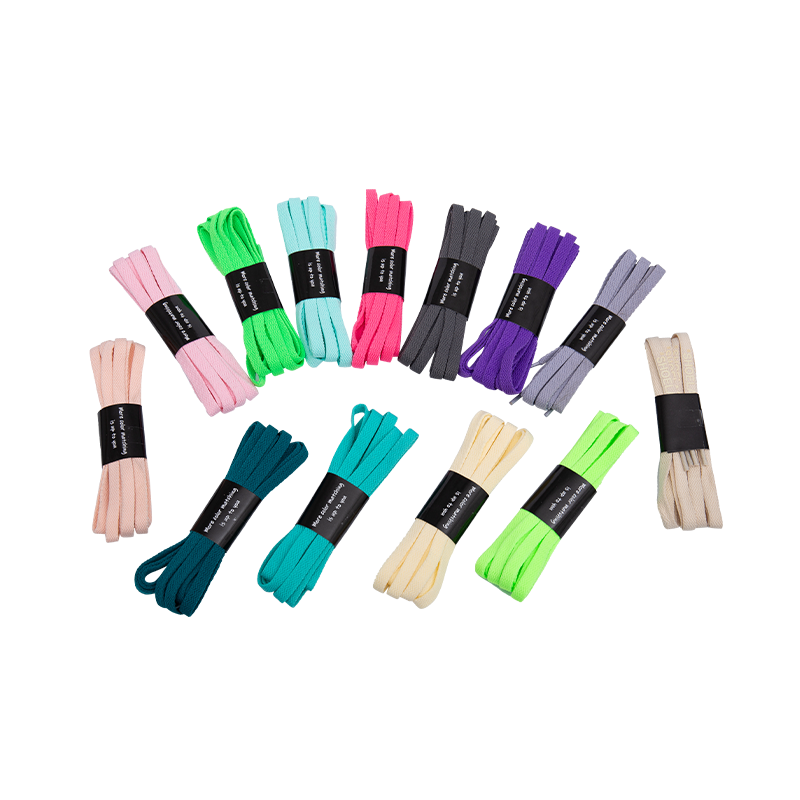
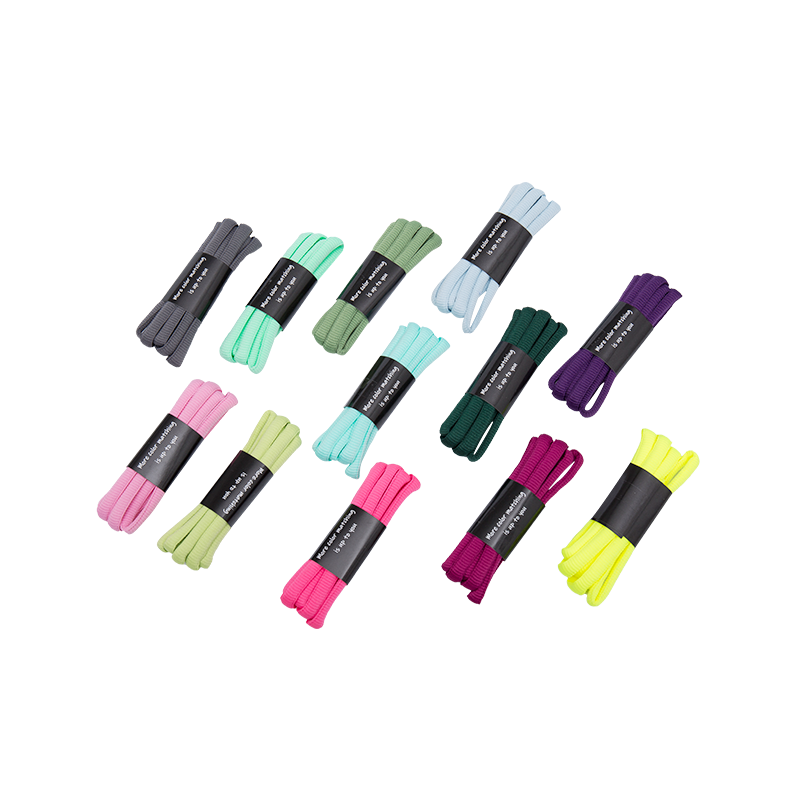
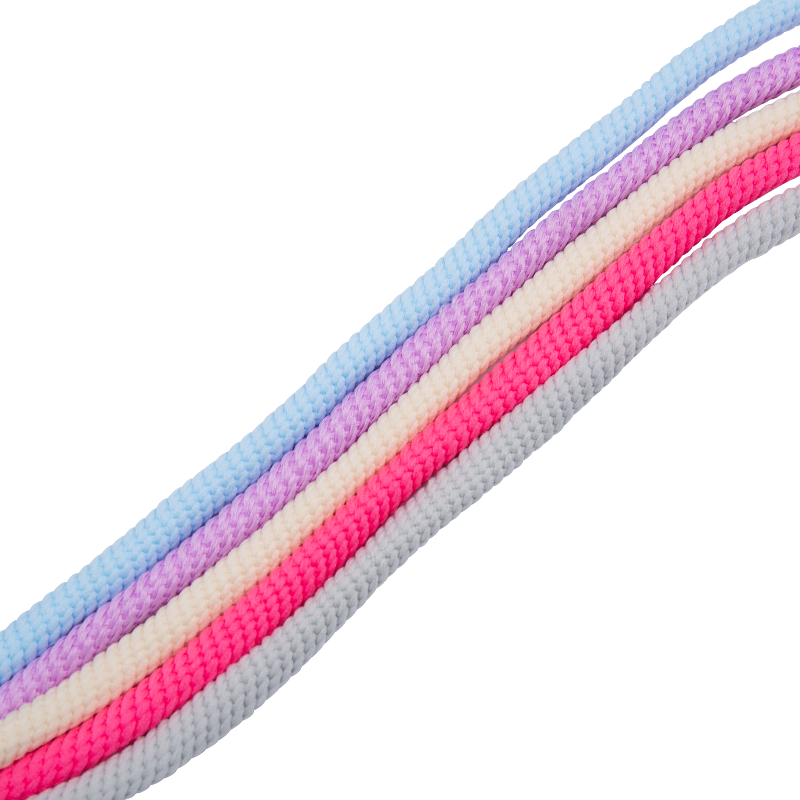
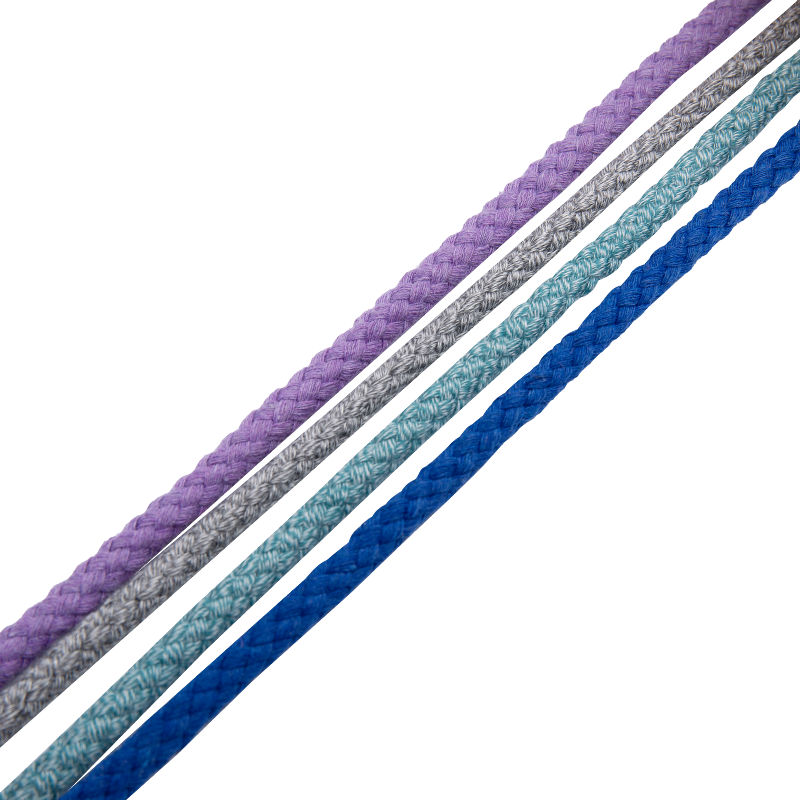
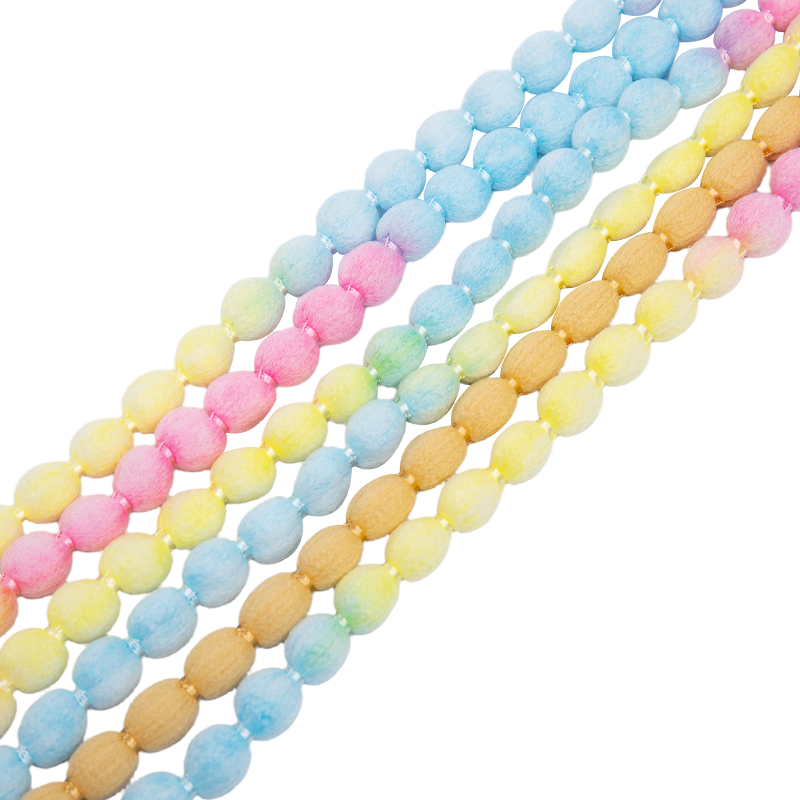
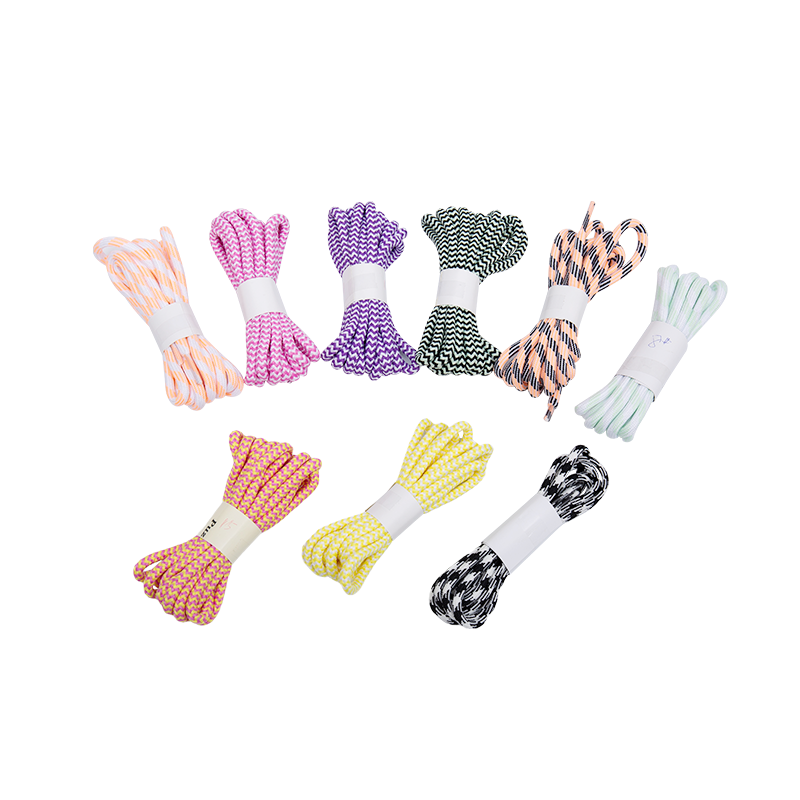
Knitting / Weave Jacquard Webbing
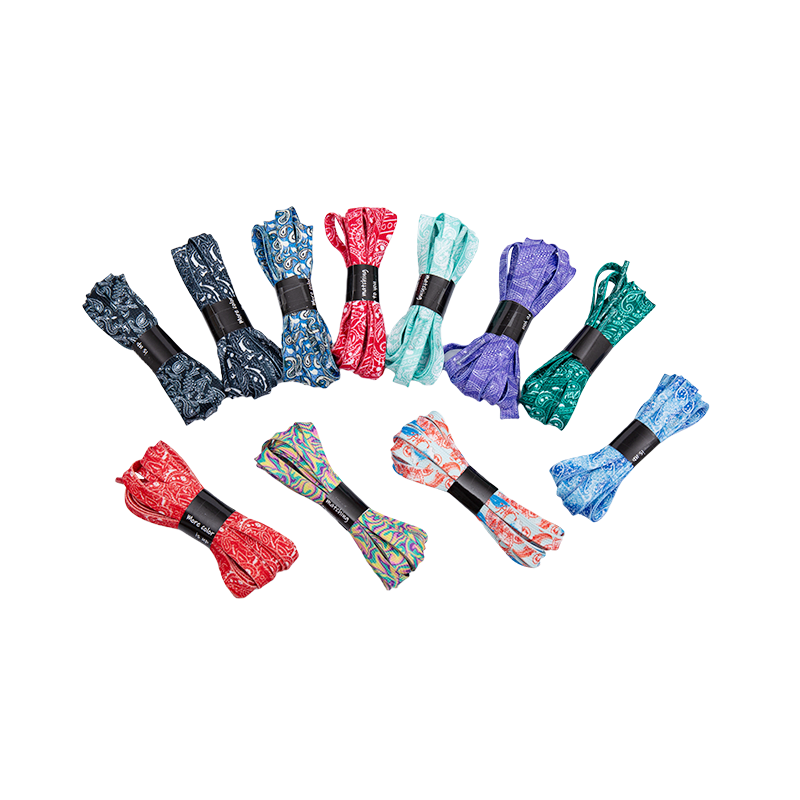
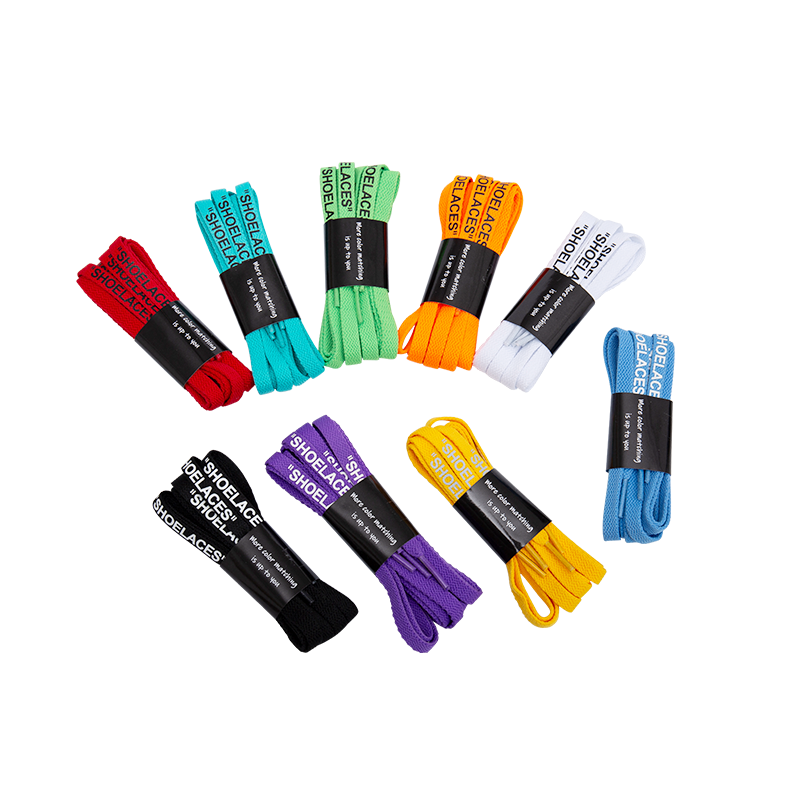
This jacquard webbing is produced using knitting or weaving techniques to create patterned surfaces with a soft hand feel. The construction provides a degree of flexibility and conformability, allowing the material to adapt to curved garment edges and contours. The webbing is commonly applied as decorative trim on garment hems, where the patterned surface adds visual detail to finished products.
The manufacturing process for this webbing type is established and standardized, supporting consistent production output. The combination of pattern variety, softness, and controlled elasticity makes the material suitable for apparel applications where both aesthetics and comfort are factors.
Performance at a Glance
Soft
Hand Feel
Flexible construction for garment compatibility
Jacquard
Pattern
Decorative surface detailing
Knitting / Weave
Construction
Established production methods
These parameters define the webbing's tactile properties, pattern detail, and construction type for apparel trim applications.
Core Advantages
- Soft construction – The material provides a flexible feel that conforms to garment curves and edges without stiffness.
- Pattern surface – Jacquard weaving or knitting produces decorative motifs that add visual detail to hems and trim.
- Controlled flexibility – The construction offers slight conformability for application around curved garment openings.
- Production efficiency – Established manufacturing processes support consistent output and cost management.
- Apparel compatibility – The material integrates with standard garment assembly methods and finishing techniques.
- Design application – Suitable for hem trim, edge detailing, and decorative accents in apparel products.
Product Specifications
Construction Knitted or woven jacquard
Tactile Property Soft, flexible hand feel
Pattern Jacquard decorative surface
Flexibility Controlled conformability for garment edges
Primary Applications Hem trim, edge detailing, decorative accents
Production Established manufacturing processes
The knitting/weave jacquard webbing combines soft construction with patterned surfaces for apparel trim applications. The material supports visual detailing and edge finishing in garment production.
Application Fields
Pant hems Garment edge trim Skirt and dress detailing Sleeve cuffs Neckline accents Casual apparel Custom garment manufacturing
Frequently Asked Questions
What is the difference between knitted and woven jacquard webbing?
Knitted jacquard uses looped construction that provides greater stretch and flexibility. Woven jacquard uses interlaced yarns that offer more stability and defined pattern edges. Both constructions are available depending on application requirements.
Is this webbing suitable for curved garment edges?
Yes. The soft and flexible construction allows the webbing to conform to curved edges and contours without puckering or distortion during application.
What pattern options are available?
A range of jacquard patterns is available. Custom designs can be developed based on specific requirements. Pattern detail and density depend on the selected construction method.
How should this webbing be cared for?
Machine wash with mild detergent at temperatures up to 30°C. Air dry away from direct heat. Avoid fabric softeners and bleach that may affect the webbing texture and color.
Handling and Care Guidance
For optimal results in garment production, apply the webbing with consistent tension to prevent rippling along the hem or edge. The material should be cut with sharp scissors to maintain clean edges and pattern continuity. Wash at moderate temperatures using mild detergent; avoid high-heat drying that may affect the material's flexibility and texture. Store flat or rolled in a clean, dry environment away from UV exposure. The webbing is compatible with standard sewing equipment.
Quality Assurance
Each production batch undergoes pattern clarity verification, width consistency inspection, flexibility assessment, and tensile strength testing. The knit or weave structure is monitored for uniform yarn tension and pattern registration. Materials are traceable to certified suppliers with documented quality records. Testing protocols follow established procedures for knitted and woven jacquard products.



 English
  русский
  Español