Recyclable Polyester Webbing
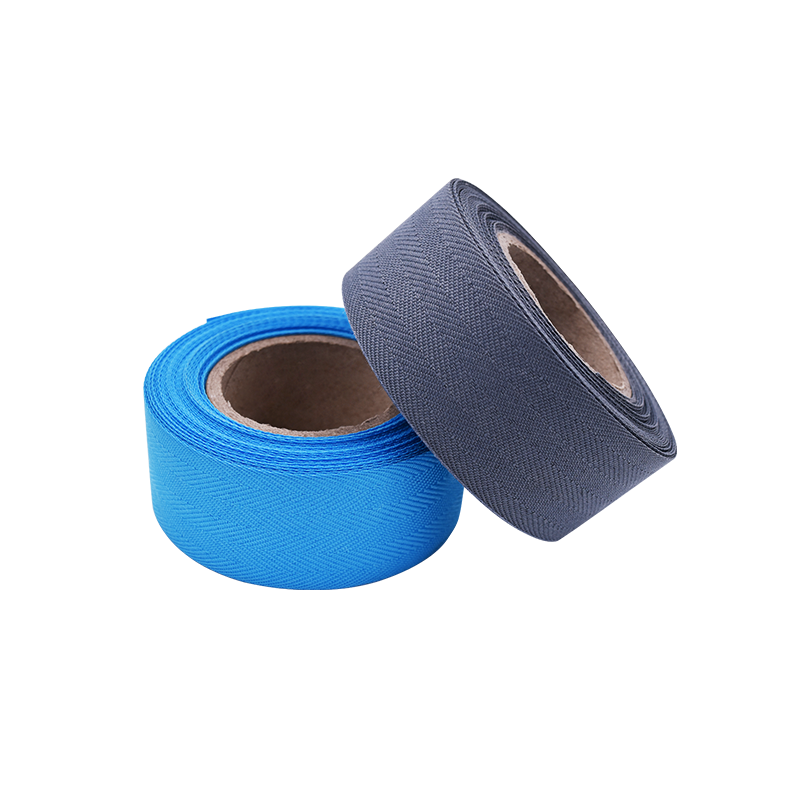
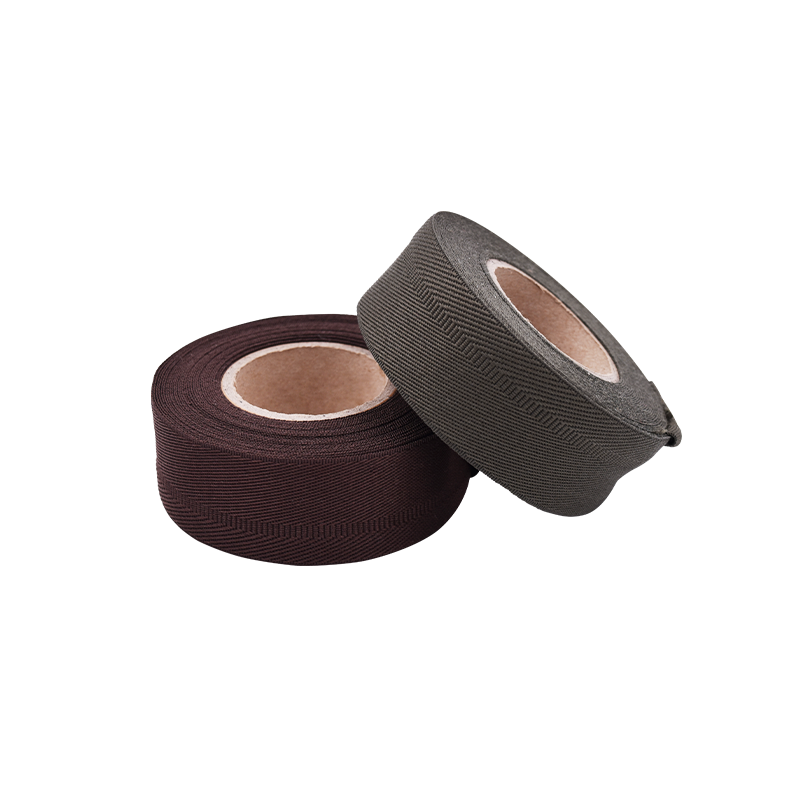
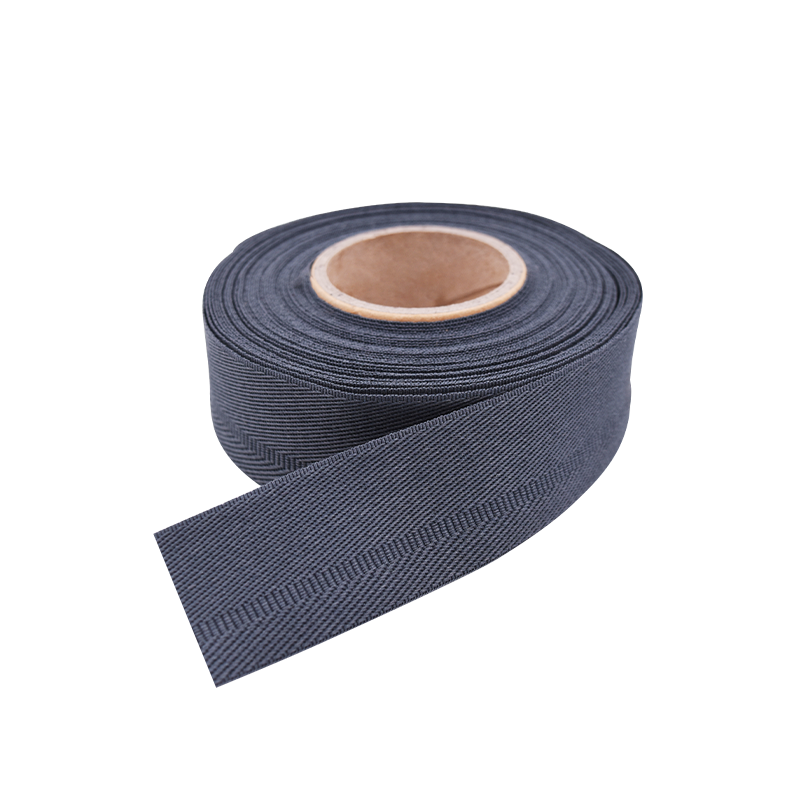
This recyclable polyester webbing is manufactured from polyester fibers with a closed-loop recycling capability, supporting resource recovery and waste reduction. The material provides strength, wear resistance, and anti-aging properties comparable to standard polyester webbing, while offering the environmental benefit of recyclability. The webbing can be processed through recycling programs at the end of its service life, converting waste material into new resources.
The recyclable material supports circular economy principles by reducing resource consumption and environmental impact. The webbing maintains consistent performance characteristics through its usable life, with the recycling capability providing an end-of-life solution. Suitable for applications where environmental considerations are a priority.
Performance at a Glance
Recyclable
Material Feature
End-of-life resource recovery
Polyester
Material
Strong, wear-resistant, anti-aging
Circular
Economy Support
Closed-loop material recovery
These specifications define the webbing's recyclability, material, and sustainability characteristics for various applications.
Core Advantages
- Recyclable material – Supports resource recovery at end-of-life, reducing waste and environmental impact.
- Polyester performance – Provides strength, wear resistance, and anti-aging properties for reliable use.
- Circular economy support – Enables closed-loop material recovery through recycling programs.
- Resource conservation – Reduces demand for virgin materials through material recovery and reuse.
- Environmental compatibility – Lower environmental impact compared to non-recyclable alternatives.
- Versatile application – Suitable for various uses where sustainability is a consideration.
- Performance consistency – Maintains standard polyester webbing performance characteristics.
Product Specifications
Material Recyclable Polyester
Key Properties Strength, wear resistance, anti-aging
Recyclability Supports closed-loop recovery
Environmental Benefit Reduced waste and resource consumption
Sustainability Circular economy compatible
Compatible Uses Bags, outdoor equipment, industrial applications
The recyclable polyester webbing combines standard performance characteristics with environmental sustainability. The recyclability and material properties support applications where both performance and environmental considerations are priorities.
Application Fields
Bags and luggage Outdoor equipment Sustainable products Industrial applications Eco-friendly manufacturing Custom product development
Frequently Asked Questions
How is the webbing recycled at end-of-life?
The polyester material can be processed through established recycling programs. The recycled material can be converted into new polyester fibers or products, reducing waste and resource consumption.
Does recyclable polyester webbing perform the same as standard polyester webbing?
Yes. The material provides comparable strength, wear resistance, and anti-aging properties to standard polyester webbing, with the additional benefit of recyclability.
How should recyclable polyester webbing be cleaned?
Clean with mild soap and warm water. Polyester material supports machine washing in cold water with gentle cycle. Air dry or low heat tumble dry away from direct sunlight.
What is the minimum order quantity?
Minimum order quantities vary by width, color, and length requirements. Please contact our sales team for specific MOQ information based on your needs.
Handling and Care Guidance
For best results, clean with mild soap and warm water. Polyester material supports machine washing in cold water with gentle cycle. Air dry or low heat tumble dry away from direct sunlight. The recyclable material maintains its performance characteristics with proper care. At end-of-life, consult local recycling facilities for appropriate disposal and recovery options.
Quality Assurance
Each production batch undergoes dimensional verification, tensile strength testing, wear resistance evaluation, and recyclability assessment. The manufacturing process follows established quality control procedures to ensure consistent product specifications across orders. Materials are traceable to certified polyester suppliers.



 English
  русский
  Español